


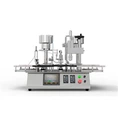
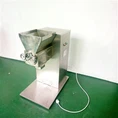
What goes into determining the price of a vermiculite granulator? As a seasoned supplier of granulators, I've witnessed firsthand the diverse factors that influence the cost of these essential machines. In this blog, I'll break down the key elements that contribute to the price of a vermiculite granulator, providing you with a comprehensive understanding of what to expect when making a purchase.
Understanding Vermiculite Granulators
Before delving into the pricing details, let's briefly review what a vermiculite granulator is and its functions. Vermiculite is a naturally occurring mineral that expands when heated, resulting in a lightweight, porous material with excellent insulation and absorbent properties. A vermiculite granulator is a specialized machine designed to transform vermiculite into uniform granules, which are used in a variety of industries, including horticulture, construction, and insulation.
These granulators work by compressing and shaping vermiculite particles into small, spherical granules. The process typically involves feeding the raw vermiculite into the granulator, where it is subjected to high pressure and mechanical forces. The granules are then cooled and screened to ensure consistent size and quality.
Factors Affecting the Price of Vermiculite Granulators
The price of a vermiculite granulator can vary significantly depending on several factors. Here are the key considerations that influence the cost:
1. Capacity and Output
One of the primary factors that determine the price of a vermiculite granulator is its capacity and output. Granulators with higher production capacities are generally more expensive than those with lower capacities. This is because larger machines require more robust components, more powerful motors, and more advanced control systems to handle the increased workload.
For example, a small-scale vermiculite granulator with a production capacity of 100-200 kilograms per hour may cost significantly less than a large industrial granulator capable of producing 1,000 kilograms or more per hour. When choosing a granulator, it's important to consider your production requirements and select a machine that can meet your current and future needs.
2. Quality and Durability
The quality and durability of a vermiculite granulator also play a crucial role in its price. High-quality granulators are typically constructed from premium materials, such as stainless steel or high-strength alloys, which offer superior resistance to wear, corrosion, and heat. These machines are also designed with precision engineering and advanced manufacturing techniques to ensure reliable performance and long service life.
In contrast, lower-quality granulators may be made from cheaper materials and have less sophisticated designs, which can result in frequent breakdowns, reduced efficiency, and shorter lifespans. While these machines may be more affordable upfront, they can end up costing you more in the long run due to maintenance and replacement costs.
3. Technology and Features
The level of technology and features incorporated into a vermiculite granulator can also impact its price. Advanced granulators may come equipped with features such as automated control systems, variable speed drives, dust collection systems, and remote monitoring capabilities. These features can enhance the efficiency, productivity, and safety of the granulation process, but they also add to the cost of the machine.
For example, a granulator with an automated control system can adjust the operating parameters in real-time based on the input material and production requirements, resulting in more consistent granule quality and higher production yields. Similarly, a dust collection system can help to reduce air pollution and improve the working environment, but it requires additional equipment and maintenance.
4. Brand and Reputation
The brand and reputation of the manufacturer can also influence the price of a vermiculite granulator. Well-established brands with a proven track record of producing high-quality, reliable machines often command a premium price. This is because customers are willing to pay more for the peace of mind that comes with buying from a trusted supplier.
On the other hand, lesser-known brands or generic granulators may be more affordable, but they may also come with a higher risk of quality issues and limited after-sales support. When choosing a granulator, it's important to do your research and select a reputable manufacturer with a good reputation in the industry.
5. Customization and Special Requirements
If you have specific customization or special requirements for your vermiculite granulator, such as a unique granule size, shape, or production process, this can also affect the price. Customized granulators often require additional engineering, design, and manufacturing work, which can increase the cost of the machine.
For example, if you need a granulator that can produce vermiculite granules with a specific size range or density, the manufacturer may need to modify the machine's components or adjust the operating parameters to meet your requirements. This can result in longer lead times and higher costs.
Comparing Prices and Making a Decision
When shopping for a vermiculite granulator, it's important to compare prices from multiple suppliers to ensure you're getting the best value for your money. However, it's also important to remember that price is not the only factor to consider. You should also evaluate the quality, durability, technology, and after-sales support of the granulator before making a decision.
Here are some tips to help you compare prices and make an informed decision:
- Request Quotes: Contact several granulator suppliers and request detailed quotes for the specific machine you're interested in. Make sure the quotes include all the necessary components, accessories, and installation costs.
- Compare Features: Compare the features and specifications of the granulators offered by different suppliers to determine which one best meets your needs. Look for machines that offer the right combination of capacity, quality, technology, and price.
- Check References: Ask the suppliers for references from their existing customers and contact them to get feedback on the quality and performance of the granulators. This can help you get a better understanding of the supplier's reputation and the reliability of their products.
- Consider After-Sales Support: In addition to the initial purchase price, it's important to consider the after-sales support offered by the supplier. Look for suppliers that offer comprehensive warranties, technical support, and spare parts availability to ensure that your granulator will continue to operate smoothly for years to come.
Additional Equipment and Accessories
In addition to the vermiculite granulator itself, you may also need to purchase additional equipment and accessories to complete your granulation system. Some common accessories include:
- Pulverizer: A pulverizer is used to crush and grind the raw vermiculite into smaller particles before it is fed into the granulator. This can help to improve the granulation process and produce more uniform granules.
- Industrial Mixers: Industrial mixers are used to blend the vermiculite with other additives or binders to improve the granule quality and performance. There are several types of industrial mixers available, including Industrial Mixer Machine, ribbon mixers, and paddle mixers.
- Drying Equipment: Depending on the moisture content of the raw vermiculite, you may need to use drying equipment to remove excess moisture before granulation. This can help to improve the granule quality and prevent clumping.
- Screening Equipment: Screening equipment is used to separate the granules into different sizes and remove any oversized or undersized particles. This can help to ensure that the final product meets the desired specifications.
The cost of these additional equipment and accessories will depend on the specific requirements of your granulation system. Make sure to factor in these costs when comparing prices and making a decision.
Conclusion
In conclusion, the price of a vermiculite granulator is influenced by several factors, including capacity, quality, technology, brand, and customization. When shopping for a granulator, it's important to compare prices from multiple suppliers, evaluate the features and specifications of the machines, and consider the after-sales support offered. By doing your research and making an informed decision, you can find a vermiculite granulator that meets your needs and provides the best value for your money.


If you're interested in learning more about vermiculite granulators or would like to request a quote, please don't hesitate to contact us. Our team of experts is here to help you find the right granulation solution for your business.
References
- "Vermiculite: Properties, Uses, and Production." Minerals Education Coalition.
- "Granulation Technology: Principles and Applications." Chemical Engineering Journal.
- "Industrial Mixers: Types, Design, and Selection." Chemical Engineering Progress.