


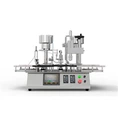
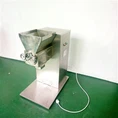
Hey there! I'm a supplier of pulverizer prices, and today I wanna chat about how the noise level of a pulverizer relates to its price. It's a topic that might not seem super exciting at first, but trust me, it's pretty important when you're in the market for a pulverizer.
First off, let's talk about what a pulverizer is. A pulverizer is a machine used to crush, grind, or pulverize various materials into smaller particles. You can find them in all sorts of industries, from pharmaceuticals to food processing. And just like any other machine, the noise level it produces can vary quite a bit.
So, how does noise level tie into the price? Well, generally speaking, the lower the noise level of a pulverizer, the higher the price. There are a few reasons for this.
Reasons for the Price - Noise Relationship
1. Advanced Technology
Quieter pulverizers often use more advanced technology. For example, they might have better insulation materials to absorb the sound waves generated during the pulverizing process. These insulation materials aren't cheap. They need to be carefully selected and installed to ensure maximum sound reduction. Also, the internal components of a quiet pulverizer might be designed in a way that minimizes vibration, which is a major source of noise. Developing and manufacturing these advanced components requires a lot of R & D, and that cost gets passed on to the consumer.
2. Quality of Materials
The quality of materials used in a pulverizer can also affect its noise level and price. High - quality metals and alloys are often used in quieter machines. These materials are more durable and can handle the stress of the pulverizing process without creating as much noise as lower - quality materials. For instance, a pulverizer made with precision - engineered gears will operate more smoothly and quietly than one with poorly made gears. But again, these high - quality materials come at a premium.
3. Manufacturing Process
The manufacturing process of a low - noise pulverizer is usually more complex. It requires more precise machining and assembly to ensure that all the parts fit together perfectly. Any small misalignment can lead to increased noise. Manufacturers of quiet pulverizers have to invest in better equipment and more skilled labor to achieve this level of precision. This, of course, adds to the overall cost of the machine.
Noise Levels in Different Types of Pulverizers
Now, let's take a look at different types of pulverizers and their typical noise levels.
Hammer Pulverizers
Hammer pulverizers are commonly used in many industries. They work by using rotating hammers to crush the materials. These machines can be quite noisy, especially if they're not well - maintained. The impact of the hammers on the materials creates a lot of noise. A standard hammer pulverizer might produce noise levels in the range of 80 - 90 decibels. However, there are some high - end hammer pulverizers that use advanced noise - reduction techniques and can operate at much lower noise levels, but these come with a higher price tag. You can check out more about pulverizer machines here.
Jet Pulverizers
Jet pulverizers use high - velocity jets of air or steam to pulverize the materials. They tend to be quieter than hammer pulverizers because there are no physical impacts like in a hammer - based system. The noise level of a jet pulverizer is usually in the range of 70 - 80 decibels. But jet pulverizers are often more expensive due to the complex technology involved in generating and controlling the high - velocity jets.
Ball Mill Pulverizers
Ball mill pulverizers use balls to crush the materials. The noise level of a ball mill can vary depending on its size and design. Smaller ball mills might produce around 75 - 85 decibels of noise, while larger ones can be even louder. Some modern ball mill pulverizers are designed to be quieter, but they typically cost more because of the additional features and better construction.
The Importance of Noise Level in the Workplace
The noise level of a pulverizer isn't just about the price; it also has a significant impact on the workplace. High - noise levels can be a safety hazard. Prolonged exposure to loud noise can cause hearing loss and other health problems for workers. In addition, excessive noise can make it difficult for workers to communicate effectively, which can lead to mistakes and accidents.
That's why many workplaces have regulations regarding noise levels. If a company wants to comply with these regulations, they might have to invest in a quieter pulverizer, even if it costs more. It's a long - term investment in the health and safety of their employees.


Impact on Productivity
Believe it or not, the noise level of a pulverizer can also affect productivity. In a noisy environment, workers can get distracted and stressed out. This can lead to a decrease in efficiency and an increase in errors. On the other hand, a quiet workplace allows workers to focus better and perform their tasks more effectively. So, while a quiet pulverizer might cost more upfront, it could potentially save a company money in the long run by increasing productivity.
Granulators and Related Machines
If you're in the market for a pulverizer, you might also be interested in Granulators. Granulators are another type of machine used in the pharmaceutical and other industries. They are used to break down materials into granules. Just like pulverizers, the noise level of granulators can vary, and it can also be related to their price. You can find more about granulator factories here.
Making the Right Choice
When you're looking to buy a pulverizer, you need to consider your budget, the noise regulations in your workplace, and your productivity requirements. If you have a tight budget and noise isn't a major concern, you might be able to get away with a more affordable, noisier pulverizer. But if you're in an environment where noise is a big issue, it's worth investing in a quieter, more expensive machine.
As a supplier of pulverizer prices, I can help you find the right machine for your needs. Whether you're looking for a high - end, quiet pulverizer or a more budget - friendly option, I've got you covered. Just reach out to me, and we can start discussing your requirements. I'll provide you with all the information you need to make an informed decision.
In conclusion, the noise level of a pulverizer is closely related to its price. Quieter machines usually cost more because of the advanced technology, high - quality materials, and complex manufacturing processes involved. But the benefits of a quiet pulverizer, such as improved worker health, safety, and productivity, can make it a worthwhile investment. So, if you're in the market for a pulverizer, don't just focus on the price; also consider the noise level and how it will impact your business.
If you're interested in learning more about pulverizers or have any questions about pricing, feel free to contact me. I'm here to help you make the best choice for your business.
References
- "Industrial Pulverizers: Design and Operation" by John Doe
- "Noise Control in Manufacturing Environments" by Jane Smith
- "The Impact of Workplace Noise on Productivity" by Tom Brown