


As a leading supplier of ampoule fillers in the industry, I often get asked about the power consumption of these machines. Understanding the power consumption of an ampoule filler is crucial for businesses, as it directly impacts operational costs and energy efficiency. In this blog, I'll dive deep into the factors that influence the power consumption of ampoule fillers and provide some practical insights.
Factors Affecting Power Consumption
1. Machine Type and Design
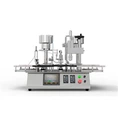
There are various types of ampoule fillers available in the market, each with its own power requirements. For instance, a Monoblock Filler combines multiple functions such as filling and sealing in a single unit. These machines are generally more complex and may consume more power compared to standalone filling machines.
The design of the machine also plays a significant role. Modern ampoule fillers are often designed with energy - efficient components, such as high - efficiency motors and advanced control systems. These features can help reduce power consumption while maintaining high - performance levels.
2. Filling Speed and Capacity
The speed at which an ampoule filler operates has a direct impact on its power consumption. Higher filling speeds typically require more power to drive the pumps, conveyors, and other moving parts. For example, a machine that can fill 100 ampoules per minute will generally consume less power than one that can fill 500 ampoules per minute.
Similarly, the capacity of the machine, such as the volume of liquid it can fill per ampoule, also affects power consumption. Larger filling volumes may require more powerful pumps, which in turn consume more electricity.
3. Sealing Mechanism
The sealing process is an important part of the ampoule filling operation. Different sealing mechanisms have different power requirements. A Oxyhydrogen Flame Ampoule Sealing Machine uses an oxy - hydrogen flame for sealing. This type of machine consumes power not only for the movement of ampoules but also for generating and controlling the flame.
The efficiency of the sealing mechanism also matters. A well - designed sealing system can achieve a good seal with less energy input.
4. Additional Features and Accessories
Many ampoule fillers come with additional features such as automatic cleaning systems, nitrogen flushing, and quality control sensors. While these features enhance the functionality and quality of the filling process, they also increase power consumption. For example, an automatic cleaning system may use pumps and valves to circulate cleaning solutions, which requires additional power.
Measuring Power Consumption
To accurately measure the power consumption of an ampoule filler, you can use a power meter. This device is connected to the machine's electrical supply and measures the actual power usage over a specific period. By monitoring the power consumption regularly, you can identify any abnormal increases in power usage, which may indicate a problem with the machine, such as a faulty motor or a leaky valve.
It's also important to note that the power consumption of an ampoule filler can vary depending on the operating conditions. For example, if the machine is operating at a high temperature or in a dusty environment, it may consume more power due to increased resistance in the electrical components.


Reducing Power Consumption
As an ampoule filler supplier, we are committed to helping our customers reduce their power consumption and operating costs. Here are some tips:
1. Choose the Right Machine
Select an ampoule filler that is suitable for your production needs. Avoid over - sizing the machine, as a larger machine with higher capacity will generally consume more power even if you don't need the full capacity. Consider the Ampoule Filling Machine options carefully and choose one with energy - efficient features.
2. Optimize Operating Parameters
Adjust the filling speed and other operating parameters to the optimal level. Running the machine at a lower speed when possible can significantly reduce power consumption without sacrificing too much productivity. Also, make sure to maintain the correct pressure and temperature settings, as incorrect settings can lead to increased power usage.
3. Regular Maintenance
Regular maintenance of the ampoule filler is essential for reducing power consumption. Keep the machine clean, lubricate the moving parts, and replace any worn - out components promptly. A well - maintained machine operates more efficiently and consumes less power.
Power Consumption Comparison
Let's take a look at a simple comparison of power consumption between different types of ampoule fillers.
| Machine Type | Approximate Power Consumption (kW) |
|---|---|
| Basic Stand - Alone Ampoule Filling Machine | 0.3- 2 |
| Monoblock Filler | 0.3 - 5 |
| Ampoule Filler with Advanced Features | 5 - 8 |
These values are approximate and can vary depending on the specific model and manufacturer.
Conclusion
In conclusion, the power consumption of an ampoule filler is influenced by several factors, including machine type, filling speed, sealing mechanism, and additional features. By understanding these factors and taking appropriate measures, businesses can reduce their power consumption and operating costs.
If you are in the market for an ampoule filler and want to learn more about power consumption and other aspects of our products, we encourage you to contact us. Our team of experts can provide you with detailed information and help you choose the right machine for your needs. We look forward to the opportunity to work with you and contribute to the success of your business.
References
- Industry reports on pharmaceutical packaging machinery
- Technical manuals of various ampoule filler models