


Hey there! As a supplier of filling machines, I often get asked about the power consumption of these nifty devices. It's a crucial topic, especially for businesses looking to manage their operational costs and be more energy - efficient. So, let's dive right in and explore what goes into the power consumption of a filling machine.
Understanding the Basics of Filling Machines
First off, there are different types of filling machines out there. You've got the Bottle Filling Machine, which is super popular for filling all sorts of bottles, whether it's for beverages, cosmetics, or pharmaceuticals. Then there's the Liquid Filling Machine, designed specifically for handling liquid products. And another type of Liquid Filling Machine that comes in various configurations to suit different production needs.
The power consumption of a filling machine isn't a one - size - fits - all deal. It depends on several factors, and we'll break them down one by one.
Factors Affecting Power Consumption
Machine Size and Capacity
Bigger isn't always better when it comes to power consumption. Larger filling machines with higher production capacities generally consume more power. Think about it - they've got more moving parts, bigger motors, and may require more energy to operate at a faster pace. For example, a small - scale filling machine used in a boutique workshop might have a power rating of around 1 - 2 kilowatts (kW). On the other hand, a large industrial - grade filling machine in a big factory could have a power rating of 10 kW or even more.
Type of Filling Mechanism
There are different ways a filling machine can fill products. Some use piston - based systems, while others rely on gravity or vacuum filling. Piston - filling machines often require more power because the pistons need to move back and forth to draw in and dispense the product. Gravity - filling machines, on the contrary, use the force of gravity to fill containers, so they typically consume less power. Vacuum - filling machines fall somewhere in between. They need to create a vacuum, which requires energy, but not as much as piston - filling systems in many cases.
Automation Level
Automated filling machines are a game - changer in the manufacturing industry. They can perform tasks like container handling, filling, capping, and labeling all in one go. However, all these automated functions come at a cost - in terms of power consumption. An automated filling machine has sensors, conveyors, and control systems that need electricity to operate. A semi - automated machine, which may require some manual intervention, will usually use less power.
Product Viscosity
The thickness or viscosity of the product being filled also plays a role. If you're filling a thin liquid like water, the machine doesn't have to work as hard compared to filling a thick paste or a highly viscous oil. More power is needed to pump and dispense viscous products, as the machine has to overcome the higher resistance.
Measuring Power Consumption
To figure out how much power a filling machine uses, we look at its power rating, which is usually given in kilowatts (kW). The power rating tells us how much electricity the machine consumes when it's running at full capacity. But in real - world scenarios, machines don't always run at full throttle.
You can also calculate the energy consumption over a period of time. Energy is measured in kilowatt - hours (kWh). To find out the energy consumption in kWh, you multiply the power rating (kW) by the number of hours the machine runs. For example, if a filling machine has a power rating of 5 kW and runs for 8 hours a day, its daily energy consumption is 5 kW x 8 hours = 40 kWh.
Ways to Reduce Power Consumption
Regular Maintenance
Just like any other piece of equipment, a well - maintained filling machine will operate more efficiently. Regularly cleaning the machine, lubricating moving parts, and checking for any worn - out components can help reduce power consumption. A machine with dirty or damaged parts has to work harder, which means it uses more energy.
Optimize Operating Parameters
Adjusting the machine's settings can also save energy. For example, you can set the filling speed to match the actual production requirements. Running the machine at a high speed when it's not necessary will waste energy. You can also optimize the temperature and pressure settings if the filling process involves these factors.
Upgrade to Energy - Efficient Models
As technology advances, newer filling machines are being designed to be more energy - efficient. They may use advanced motors, better control systems, and innovative filling mechanisms that consume less power. If your current machine is old and consuming a lot of energy, it might be worth considering an upgrade.

Real - World Examples
Let's take a look at some real - world situations to understand power consumption better.
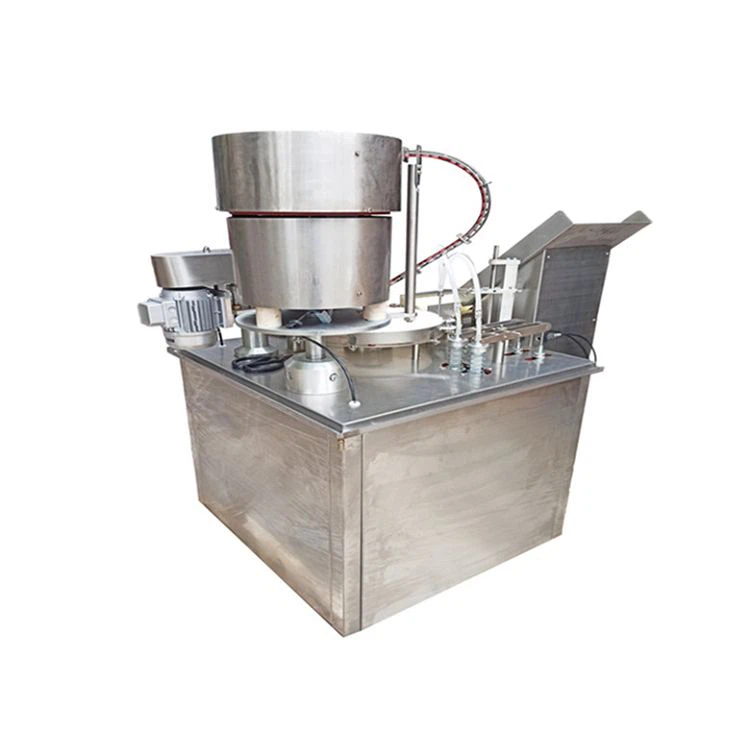
A small - scale cosmetic company uses a Liquid Filling Machine to fill small bottles of lotion. The machine has a power rating of 1.5 kW and runs for 6 hours a day. So, its daily energy consumption is 1.5 kW x 6 hours = 9 kWh. Over a month (assuming 25 working days), the machine consumes 9 kWh x 25 days = 225 kWh.
On the other hand, a large beverage factory uses an industrial - grade Bottle Filling Machine with a power rating of 12 kW. It runs for 12 hours a day, 5 days a week. Its weekly energy consumption is 12 kW x 12 hours x 5 days = 720 kWh.
Why Power Consumption Matters
Understanding the power consumption of your filling machine is essential for several reasons. Firstly, it directly impacts your operational costs. The more energy your machine uses, the higher your electricity bill will be. By reducing power consumption, you can save a significant amount of money in the long run.
Secondly, it's good for the environment. Using less energy means reducing your carbon footprint. As more and more businesses are becoming environmentally conscious, managing power consumption is a step in the right direction.
Contact Us for Your Filling Machine Needs
If you're in the market for a filling machine and want to know more about power consumption or any other aspects, we're here to help. We've got a wide range of Bottle Filling Machine and Liquid Filling Machine options to suit different budgets and production requirements. Whether you're a small business just starting out or a large corporation looking to upgrade your equipment, we can provide you with the right solution. Don't hesitate to reach out and start a conversation about your filling machine needs. We're eager to work with you and help you make an informed decision.
References
- Industrial Machinery Handbook: A comprehensive guide on the operation and efficiency of industrial equipment.
- Journal of Food and Beverage Manufacturing: Articles on the latest trends in filling machine technology and energy management.