


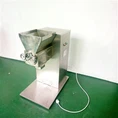
Hey there! As a supplier of labeling machines, I often get asked about the humidity tolerance of these nifty devices. So, let's dive right into it and break down what humidity tolerance means for a labeling machine and why it's so important.
First off, what exactly is humidity tolerance? In simple terms, it's the range of humidity levels within which a labeling machine can operate effectively and produce high - quality labels. Humidity, which is the amount of water vapor in the air, can have a significant impact on both the machine itself and the labels it applies.
Why Humidity Matters for Labeling Machines
Let's start with the labels. Most labels are made of paper, plastic, or a combination of both. High humidity can cause paper labels to absorb moisture, making them limp, wrinkled, or even prone to mold growth. This not only affects the appearance of the label but also its adhesion to the product. If a label doesn't stick properly, it can peel off during shipping or handling, which is a huge no - no for any business.
On the other hand, low humidity can make paper labels brittle. They might crack or break when being fed through the labeling machine, leading to jams and production delays. Plastic labels are also affected by humidity. High humidity can cause plastic to expand slightly, which might affect the accuracy of label placement.


Now, let's talk about the machine itself. High humidity can lead to corrosion of metal parts in the labeling machine. This can damage the moving components, reduce the machine's lifespan, and increase maintenance costs. Electrical components are also at risk. Moisture in the air can cause short - circuits or other electrical problems, potentially rendering the machine inoperable.
Ideal Humidity Ranges for Labeling Machines
So, what's the sweet spot? Generally, labeling machines work best in an environment with a relative humidity (RH) between 40% and 60%. This range provides a balance that keeps the labels in good condition and protects the machine from humidity - related damage.
When the humidity is within this range, paper labels remain flexible but not too moist. They can be easily fed through the machine and adhere well to the products. Plastic labels maintain their shape and size, ensuring accurate placement. And the machine's metal and electrical components are less likely to be affected by corrosion or electrical issues.
However, different types of labeling machines might have slightly different humidity tolerances. For example, Bottle Labeling Machine that are used in the beverage industry might need to be more tolerant of higher humidity levels, as the production environment can be quite moist. On the other hand, machines used for labeling small, delicate items might require a more controlled, lower - humidity environment.
Dealing with Humidity Challenges
In real - world scenarios, it's not always possible to maintain the ideal humidity range. So, what can you do?
Humidifiers and Dehumidifiers: These are great tools for controlling the humidity in the production area. If the air is too dry, a humidifier can add moisture to the air. If it's too humid, a dehumidifier can remove excess moisture. This helps to keep the humidity within the acceptable range for the labeling machine.
Proper Ventilation: Good ventilation is essential. It helps to circulate the air and prevent the buildup of moisture. Make sure the area where the labeling machine is located has proper air vents and that the air is constantly being refreshed.
Storage of Labels: How you store your labels can also make a big difference. Keep them in a sealed container or a climate - controlled storage area. This protects them from humidity fluctuations until they are ready to be used.
Our Labeling Machines and Humidity Tolerance
At our company, we understand the importance of humidity tolerance. That's why our Labeling Machine are designed to handle a wide range of humidity conditions. We use high - quality materials that are resistant to corrosion, and our electrical components are well - protected.
Our engineers have conducted extensive testing to ensure that our machines can operate effectively in different humidity levels. Whether you're in a dry desert climate or a humid tropical environment, our labeling machines are built to last.
We also offer support and advice on how to optimize the performance of our machines in different humidity conditions. Our team of experts can help you set up the right environment, choose the appropriate labels, and maintain your machine for long - term use.
Other Considerations in Labeling Machine Operation
Humidity isn't the only factor that affects the performance of a labeling machine. Temperature also plays a role. Extreme temperatures, either hot or cold, can affect the adhesion of labels and the operation of the machine. It's important to keep the production area at a stable temperature, ideally between 20°C and 25°C.
The type of product being labeled also matters. Some products, like food or pharmaceuticals, might require special labels that are more sensitive to humidity and temperature. In these cases, it's crucial to choose a labeling machine that can meet the specific requirements of the product.
Conclusion
In conclusion, humidity tolerance is a critical aspect of labeling machine operation. Understanding the ideal humidity range, the effects of humidity on labels and the machine, and how to deal with humidity challenges can help you get the most out of your labeling machine.
Our company is committed to providing high - quality Labeling Machine that can handle different humidity conditions. If you're in the market for a labeling machine or need to upgrade your existing one, we'd love to talk to you. Whether you're a small business or a large corporation, we have the right solution for you.
If you're interested in learning more about our labeling machines, their humidity tolerance, or how they can fit into your production process, don't hesitate to reach out. We're here to answer your questions and help you make the best decision for your business. Let's work together to ensure your labeling operations run smoothly, no matter the humidity!
References
- Packaging Machinery Manufacturers Institute (PMMI). "Best Practices for Packaging Machine Operation in Different Environments."
- Labeling Industry Association (LIA). "Labeling Machine Performance and Environmental Factors."