


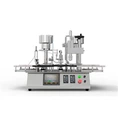
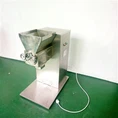
Hey there! As a supplier of mixing machines, I've gotten tons of questions from customers about all sorts of things related to these machines. One question that pops up a lot is about the heat generation during the mixing process in a mixing machine. So, I thought I'd sit down and write this blog to share what I know.
First off, let's talk about why heat is generated in the first place. When you're using a Industrial Mixer Machine, there are a few key factors that contribute to heat build - up.
Friction
Friction is one of the biggest culprits. When the mixing blades or paddles are churning through the materials, they're constantly rubbing against the substances being mixed. This mechanical friction converts mechanical energy into heat energy. Think about it like rubbing your hands together really fast. The more vigorously you do it, the warmer your hands get. In a mixing machine, the same principle applies. The faster the mixing speed, the more friction is generated, and the more heat is produced. For example, if you're mixing a thick, viscous material like dough or a heavy paste, the blades have to work harder to move through it. This increased resistance leads to greater friction and, consequently, more heat.
Viscosity of the Materials
The viscosity of the materials being mixed also plays a huge role. Viscous materials require more energy to mix. A Industrial Mixers has to exert more force to move through a high - viscosity substance compared to a low - viscosity one like water. As the machine works harder, more heat is generated. For instance, in the food industry, when making chocolate ganache, which is a thick mixture of chocolate and cream, the mixing process generates more heat than if you were just mixing a simple fruit juice. The high viscosity of the ganache means that the mixer has to put in extra effort, resulting in heat production.
Mixing Time
Another important factor is the mixing time. The longer the mixing process goes on, the more heat is likely to build up. This is because the continuous operation of the mixer means that friction is constantly at work. If you set your mixer to run for an extended period, say an hour or more, the heat will gradually accumulate. In some industrial applications, where large batches of materials need to be mixed thoroughly, long mixing times are common. But this can lead to significant heat generation, which might affect the quality of the final product.
Heat Generation and Its Impact on the Product
Now, let's discuss how this heat generation can impact the product being mixed. In some cases, a little bit of heat might not be a big deal. For example, when mixing certain types of paints, a small increase in temperature can actually improve the flow and leveling of the paint. But in other situations, excessive heat can be a real problem.
In the pharmaceutical industry, for instance, many drugs are sensitive to heat. If the temperature rises too high during the mixing process, it can cause chemical reactions that alter the properties of the drugs. This can lead to a loss of potency or even the formation of unwanted by - products. Similarly, in the food industry, heat can cause proteins to denature, fats to melt, and flavors to change. If you're making ice cream and the mixer generates too much heat, the ice cream might start to melt and lose its smooth, creamy texture.
Controlling Heat Generation
So, how can we control the heat generation in a Mixing Equipment? There are a few strategies that can be employed.


One option is to adjust the mixing speed. By reducing the speed, you can decrease the amount of friction and, therefore, the heat generated. However, this might also mean that the mixing process takes longer. Another approach is to use cooling systems. Some mixing machines are equipped with built - in cooling jackets. These jackets circulate a coolant, such as water or a refrigerant, around the mixing chamber. The coolant absorbs the heat from the chamber and carries it away, keeping the temperature in check.
In addition, you can break up the mixing process into shorter intervals. Instead of running the mixer continuously for a long time, you can mix for a short period, then let the machine and the materials cool down before resuming. This helps to prevent the heat from building up too much.
Our Mixing Machines and Heat Management
At our company, we understand the importance of heat management in the mixing process. That's why our mixing machines are designed with features to minimize heat generation and control temperature. We offer a range of Industrial Mixer Machine models with different mixing speeds and cooling options.
Our high - end models come with advanced cooling systems that can precisely regulate the temperature inside the mixing chamber. Whether you're working with heat - sensitive materials in the pharmaceutical industry or thick, viscous substances in the food industry, our machines can be customized to meet your specific needs.
Why Choose Our Mixing Machines?
There are several reasons why you should consider our mixing machines. Firstly, our machines are built with high - quality materials and state - of - the - art technology. This ensures reliable performance and long - term durability. Secondly, we have a team of experts who can provide you with professional advice on heat management and the best mixing solutions for your products.
We also offer excellent after - sales service. If you encounter any problems with your mixing machine, our support team is always ready to help. We can provide maintenance, repairs, and replacement parts to keep your machine running smoothly.
Contact Us for Your Mixing Needs
If you're in the market for a mixing machine and want to learn more about how our products can help you manage heat generation during the mixing process, don't hesitate to get in touch. Whether you're a small - scale business or a large industrial operation, we have the right solution for you. Reach out to us, and let's start a conversation about your mixing requirements. We're confident that our mixing machines can meet your expectations and deliver high - quality results.
References
- Perry, R. H., & Green, D. W. (Eds.). (1997). Perry's Chemical Engineers' Handbook. McGraw - Hill.
- McCabe, W. L., Smith, J. C., & Harriott, P. (2005). Unit Operations of Chemical Engineering. McGraw - Hill.