


As a supplier of monoblock machines, I've often been asked about the emergency stop function of these essential pieces of equipment. In this blog, I'll delve into what the emergency stop function of a monoblock machine is, why it's crucial, and how it operates.
What is a Monoblock Machine?
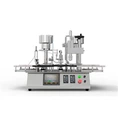
Before we discuss the emergency stop function, let's briefly understand what a monoblock machine is. A monoblock machine, also known as a Monoblock Machine, is an integrated system that combines multiple functions into a single unit. For example, in the packaging industry, a monoblock filler can perform tasks such as cleaning, filling, and capping in one continuous operation. This type of machine is commonly used in various sectors, including food and beverage, pharmaceuticals, and cosmetics. There are different types of monoblock machines, like the Monoblock Filler and the Eye Drop Filling Machine, each designed to meet specific production needs.
The Concept of the Emergency Stop Function
The emergency stop function, often referred to as the "e-stop," is a safety feature built into monoblock machines to immediately halt all machine operations in case of an emergency. This function is designed to protect operators, prevent damage to the machine, and avoid product loss. When an emergency situation arises, such as a malfunction, a safety hazard, or an operator error, activating the emergency stop button can quickly stop the machine's movement and power supply.
Why is the Emergency Stop Function Crucial?
Operator Safety
The primary reason for the emergency stop function is to protect the operators. Monoblock machines involve moving parts, high-pressure systems, and sometimes hazardous materials. In the event of an unexpected situation, such as a jammed conveyor belt, a flying object, or a chemical spill, operators can quickly press the emergency stop button to avoid potential injuries. This feature provides a crucial layer of safety in the workplace, reducing the risk of accidents and ensuring the well - being of the employees.
Machine Protection
Machines are expensive investments, and any damage can lead to significant financial losses. The emergency stop function helps prevent damage to the monoblock machine itself. For example, if there is a mechanical failure in the filling mechanism, activating the e - stop can prevent further stress on the components, reducing the likelihood of more extensive damage. By stopping the machine immediately, it can also prevent the wear and tear that might occur if the machine continues to operate under abnormal conditions.
Product Quality and Loss Prevention
In addition to protecting operators and machines, the emergency stop function is important for maintaining product quality and preventing product loss. In a monoblock filling machine, for instance, if there is a problem with the filling process, such as incorrect dosing or a leaking nozzle, pressing the e - stop can stop the production line before a large quantity of defective products is produced. This helps ensure that only high - quality products reach the market and reduces the waste of raw materials and packaging.
How the Emergency Stop Function Works
The Emergency Stop Button
The most common way to activate the emergency stop function is through a dedicated emergency stop button. This button is usually large, red, and clearly marked with the words "Emergency Stop" or an international symbol for emergency stop. It is strategically placed in easily accessible locations around the monoblock machine, such as near the operator's station, along the production line, and at key control points. When the button is pressed, it sends a signal to the machine's control system to initiate an immediate stop.
Electrical and Mechanical Disconnection
Once the emergency stop button is pressed, the machine's control system takes action to stop all operations. In most cases, it first disconnects the electrical power supply to the motors and other electrical components of the machine. This stops the movement of all moving parts, such as conveyor belts, pumps, and filling heads. At the same time, the mechanical components are also disengaged. For example, if there is a clutch in the machine's drive system, it will be released to stop the transmission of power.
Lock - in Mechanism
To ensure that the machine remains stopped until the problem is resolved, most emergency stop buttons have a lock - in mechanism. Once the button is pressed, it stays in the depressed position until it is manually reset. This prevents the machine from accidentally restarting and ensures that the operators can safely assess and address the emergency situation.


Safety Circuit Design
The emergency stop function is integrated into a safety circuit in the machine's control system. This circuit is designed to be fail - safe, meaning that if there is a problem with the circuit itself, the machine will automatically stop. The safety circuit continuously monitors the status of the emergency stop button and other safety sensors in the machine. If any abnormal condition is detected, it will trigger the emergency stop function.
Maintenance and Testing of the Emergency Stop Function
Regular Maintenance
Like any other safety feature, the emergency stop function requires regular maintenance to ensure its proper operation. This includes checking the physical condition of the emergency stop button, such as its visibility, ease of pressing, and the integrity of the wiring. The electrical connections should also be inspected for signs of wear, corrosion, or loose connections. In addition, the safety circuit should be tested periodically to ensure that it is functioning correctly.
Testing Procedures
Testing the emergency stop function should be carried out at regular intervals, following the manufacturer's recommendations. A simple test involves pressing the emergency stop button and verifying that the machine stops immediately. After the test, the button should be reset, and the machine should be able to restart normally. It is also important to document the test results, including the date, time, and the outcome of the test, for future reference and compliance purposes.
Conclusion
The emergency stop function is an indispensable part of a monoblock machine. It plays a vital role in protecting operators, machines, and products. As a supplier of monoblock machines, we understand the importance of this safety feature and ensure that all our machines are equipped with a reliable and easy - to - use emergency stop system.
If you are in the market for a monoblock machine or have any questions about the emergency stop function or other aspects of our products, we invite you to contact us for a detailed discussion. Our team of experts is ready to assist you in finding the right solution for your production needs.
References
- Industry standards and guidelines for machine safety
- Manufacturer's manuals for monoblock machines
- Research papers on industrial safety and emergency stop systems