


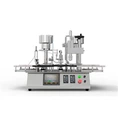
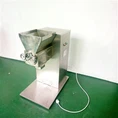
Hey there! I'm a supplier of industrial mixers, and I often get asked about the installation space requirements for these machines. In this blog, I'll break down all the factors you need to consider when figuring out how much space you'll need to install an industrial mixer.
Why Space Requirements Matter
First off, you might be wondering why it's such a big deal. Well, proper installation space isn't just about making sure the mixer fits physically. It's also crucial for safety, maintenance, and efficient operation. If you don't have enough space, you could end up with a cramped work environment that makes it hard to access the mixer for cleaning or repairs. Plus, it can even affect the performance of the mixer itself.
Dimensions of the Mixer
The most obvious starting point is the size of the mixer itself. Industrial mixers come in all shapes and sizes, depending on their capacity and the type of mixing they're designed for. You'll need to know the length, width, and height of the mixer to ensure you have enough room to place it.
For example, a small bench - top mixer might only take up a few square feet of space, while a large industrial - scale mixer could be several meters in length and width. Make sure to get the exact dimensions from the product specifications. This is something we provide in detail on our Industrial Mixers page.
Clearance Around the Mixer
It's not just about the space the mixer takes up; you also need to leave some clearance around it. This clearance is important for a few reasons.
- Access for Maintenance: You'll need to be able to get to all parts of the mixer for maintenance and repairs. A general rule of thumb is to leave at least 1 - 2 meters of clearance on all sides of the mixer. This allows technicians to easily access the motor, gears, and other components without having to squeeze into tight spaces.
- Ventilation: Many industrial mixers generate heat during operation. Adequate ventilation is necessary to prevent overheating. Leaving space around the mixer allows air to circulate freely, which helps in dissipating the heat. You might also need to install ventilation systems, and having enough clearance makes it easier to set these up.
- Loading and Unloading: If your mixer is used for processing materials, you'll need space for loading and unloading. This could involve conveyor belts, hoppers, or other equipment. Make sure there's enough room for these to operate smoothly without getting in the way of each other.
Ceiling Height
Don't forget about the ceiling height! Some industrial mixers have components that extend upwards, such as agitators or hoppers. You need to ensure that there's enough vertical space for these components to move freely without hitting the ceiling.
If the mixer has a tall agitator, for example, you'll need to measure the maximum height the agitator reaches during operation and add a bit of extra clearance. This will prevent any damage to the mixer or the ceiling and ensure safe operation.
Floor Space and Stability
The floor where the mixer will be installed also matters. The floor needs to be strong enough to support the weight of the mixer, especially if it's a large and heavy one. Uneven floors can cause the mixer to vibrate excessively, which can lead to premature wear and tear and even affect the quality of the mixing.
You might need to reinforce the floor or use vibration - isolation pads to ensure the mixer is stable. Also, consider the space around the floor for any additional equipment that might be connected to the mixer, like pumps or control panels.
Space for Auxiliary Equipment
In addition to the mixer itself, you'll likely need space for auxiliary equipment. This can include things like control panels, power supplies, and storage for spare parts.
- Control Panels: These are essential for operating the mixer. They need to be placed within easy reach of the operator but also in a location where they won't be damaged by the mixer's vibrations or any splashing of materials.
- Power Supplies: Industrial mixers often require a significant amount of power. Make sure there's enough space for the electrical connections and that they're properly installed according to safety regulations.
- Spare Parts Storage: It's a good idea to have a dedicated space for storing spare parts. This makes it easier to quickly replace any worn - out components and minimize downtime.
Integration with Other Processes
If the mixer is part of a larger production process, you need to consider how it will integrate with other equipment. For example, if it's connected to a Granulators or a Pulverizer Machine, there needs to be enough space for the transfer of materials between these machines.
You'll also need to think about the flow of materials through the process. The layout should be designed in a way that minimizes the distance materials have to travel, which can improve efficiency and reduce the risk of contamination.
Future Expansion
It's always a good idea to plan for the future. If you think you might need to upgrade the mixer or add more equipment in the future, leave some extra space. This can save you a lot of hassle and cost down the line.


You don't want to be in a situation where you have to completely rearrange your production area just because you didn't leave enough room for expansion.
Conclusion
Figuring out the installation space requirements for industrial mixers is a complex but important task. It involves considering the dimensions of the mixer, clearance around it, ceiling height, floor stability, space for auxiliary equipment, integration with other processes, and future expansion.
If you're still unsure about the space requirements for your specific needs, don't hesitate to reach out to us. We're here to help you make the right decision and ensure that your mixer is installed in the best possible way. Whether you're just starting a new project or looking to upgrade your existing equipment, we can provide you with all the information and support you need. Contact us today to start the procurement discussion and find the perfect industrial mixer for your business!
References
- "Industrial Mixer Handbook" - A comprehensive guide on industrial mixer design, operation, and installation.
- Industry standards and guidelines for industrial equipment installation and safety.