


As a supplier of monoblock machines, I often encounter inquiries from customers regarding the compliance of our products with international standards. This is a crucial question, as international standards ensure product safety, quality, and interoperability across different markets. In this blog, I will delve into the topic of whether a monoblock machine is compliant with international standards, exploring the key standards, the compliance process, and the benefits of using compliant monoblock machines.
Understanding Monoblock Machines
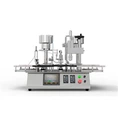
Before we discuss compliance, let's first understand what a monoblock machine is. A monoblock machine is an integrated system that combines multiple functions, such as filling, capping, and labeling, into a single unit. This design offers several advantages, including space-saving, reduced labor costs, and improved efficiency. Monoblock machines are widely used in various industries, including food and beverage, pharmaceutical, and cosmetics.
For example, in the pharmaceutical industry, a monoblock machine can be used to fill and cap vials or bottles of medications. The Eye Drop Filling Machine is a specialized type of monoblock machine designed for filling eye drops, ensuring accurate dosing and aseptic conditions. In the food and beverage industry, a Monoblock Filler can be used to fill and seal containers of liquids, such as juices, soft drinks, and dairy products.

Key International Standards for Monoblock Machines
There are several international standards that monoblock machines must comply with, depending on the industry and application. Some of the most important standards include:
- ISO Standards: The International Organization for Standardization (ISO) develops and publishes standards for a wide range of products and services. ISO standards relevant to monoblock machines include ISO 9001 for quality management systems, ISO 14001 for environmental management systems, and ISO 45001 for occupational health and safety management systems. Compliance with ISO standards demonstrates a company's commitment to quality, environmental protection, and employee safety.
- GMP Standards: Good Manufacturing Practice (GMP) is a set of regulations and guidelines that ensure the quality, safety, and efficacy of pharmaceutical, food, and cosmetic products. Monoblock machines used in these industries must comply with GMP standards to ensure that the products they produce meet the required quality and safety standards. GMP standards cover various aspects of manufacturing, including facility design, equipment maintenance, personnel training, and documentation.
- CE Marking: The CE marking is a mandatory conformity mark for products sold in the European Economic Area (EEA). It indicates that a product complies with all relevant European Union (EU) directives and regulations. Monoblock machines sold in the EEA must bear the CE marking to demonstrate compliance with safety, health, and environmental protection requirements.
- FDA Regulations: The U.S. Food and Drug Administration (FDA) regulates the safety and effectiveness of food, drugs, medical devices, and cosmetics. Monoblock machines used in these industries must comply with FDA regulations to ensure that the products they produce are safe for consumption or use. FDA regulations cover various aspects of manufacturing, including facility design, equipment validation, and product testing.
The Compliance Process
Achieving compliance with international standards is a complex and ongoing process that requires a commitment to quality and continuous improvement. The following are the key steps involved in the compliance process:
- Identify Applicable Standards: The first step is to identify the international standards that apply to your monoblock machine based on the industry and application. This may require consulting with regulatory authorities, industry associations, or standards organizations.
- Conduct a Gap Analysis: Once you have identified the applicable standards, you need to conduct a gap analysis to determine the areas where your monoblock machine does not meet the requirements. This may involve reviewing your machine's design, manufacturing processes, and documentation.
- Develop a Compliance Plan: Based on the results of the gap analysis, you need to develop a compliance plan that outlines the actions you need to take to meet the requirements of the applicable standards. This may include modifying your machine's design, implementing new manufacturing processes, or improving your documentation.
- Implement the Compliance Plan: Once you have developed a compliance plan, you need to implement it by making the necessary changes to your monoblock machine and your manufacturing processes. This may involve working with your suppliers, contractors, and employees to ensure that everyone is aware of the changes and is trained to implement them.
- Conduct Internal Audits: Regular internal audits are essential to ensure that your monoblock machine continues to comply with the applicable standards. Internal audits should be conducted by qualified personnel and should cover all aspects of your manufacturing processes, including equipment maintenance, personnel training, and documentation.
- Obtain Third-Party Certification: To demonstrate compliance with international standards, you may need to obtain third-party certification from a recognized certification body. Third-party certification provides independent verification that your monoblock machine meets the requirements of the applicable standards and can help you gain the trust of your customers and regulatory authorities.
Benefits of Using Compliant Monoblock Machines
Using compliant monoblock machines offers several benefits for both manufacturers and end-users. Some of the key benefits include:
- Enhanced Product Quality and Safety: Compliance with international standards ensures that monoblock machines are designed and manufactured to meet the highest quality and safety standards. This helps to prevent product defects, contamination, and other quality issues, which can lead to product recalls, customer complaints, and legal liabilities.
- Improved Market Access: Many countries and regions have strict regulations and standards for imported products. By using compliant monoblock machines, manufacturers can ensure that their products meet the requirements of these regulations and standards, which can help them gain access to new markets and increase their sales.
- Increased Customer Confidence: Compliance with international standards demonstrates a manufacturer's commitment to quality and safety. This can help to build customer confidence and trust, which can lead to increased customer loyalty and repeat business.
- Cost Savings: Using compliant monoblock machines can help manufacturers reduce their costs by improving efficiency, reducing waste, and preventing product defects. This can lead to lower production costs, higher profitability, and a competitive advantage in the market.
Conclusion
In conclusion, compliance with international standards is essential for monoblock machines to ensure product quality, safety, and market access. As a supplier of monoblock machines, we are committed to ensuring that our products meet the highest quality and safety standards and comply with all relevant international regulations and standards. By using our Monoblock Machine, you can be confident that you are getting a reliable and compliant solution for your filling, capping, and labeling needs.
If you are interested in learning more about our monoblock machines or would like to discuss your specific requirements, please feel free to contact us. We would be happy to provide you with more information and help you find the right solution for your business.
References
- International Organization for Standardization (ISO). (n.d.). ISO standards. Retrieved from https://www.iso.org/
- U.S. Food and Drug Administration (FDA). (n.d.). FDA regulations. Retrieved from https://www.fda.gov/
- European Union (EU). (n.d.). CE marking. Retrieved from https://ec.europa.eu/growth/single-market/ce-marking
- World Health Organization (WHO). (n.d.). Good Manufacturing Practice (GMP). Retrieved from https://www.who.int/standards/prequalification/gmp