


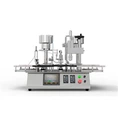
Troubleshooting Common Problems with an Ampoule Sealer
As a trusted supplier of Ampoule Sealer, I understand the importance of keeping your equipment running smoothly. An ampoule sealer is a critical piece of machinery in pharmaceutical, cosmetic, and other industries where product integrity is of utmost importance. However, like any mechanical device, it can encounter issues from time to time. In this blog, I will guide you through the process of troubleshooting common problems with an ampoule sealer.
1. Incomplete Sealing
One of the most common problems with an ampoule sealer is incomplete sealing. This can lead to product contamination and reduced shelf life. There are several possible causes for this issue.
Flame Intensity: Insufficient flame intensity is a primary culprit. If the flame is too weak, the glass of the ampoule may not reach the melting point required for a proper seal. Check the gas supply to the burner. Ensure that the gas valve is fully open and that there are no blockages in the gas line. You may also need to adjust the air - gas mixture. A proper mixture is essential for a stable and hot flame. Some ampoule sealers allow you to adjust the air intake and gas flow separately. Experiment with these settings to find the optimal combination for a strong, blue - colored flame.
Ampoule Positioning: Incorrect positioning of the ampoule can also result in incomplete sealing. The ampoule should be centered precisely in the sealing area. If it is off - center, one side of the seal may be weaker or not sealed at all. Check the ampoule holder or the conveyor system that transports the ampoules to the sealing station. Make sure that the holders are clean and free from debris, and that they are properly aligned.
Glass Quality: The quality of the ampoule glass can play a role in sealing. If the glass has impurities or inconsistent thickness, it may not seal properly. Inspect the ampoules before use. Look for any visible defects such as cracks, scratches, or uneven walls. Using high - quality ampoules from a reliable source can significantly reduce the likelihood of sealing problems.
2. Over - Sealing or Burned Glass
On the other end of the spectrum, over - sealing or burned glass is another issue that can occur. This can make the ampoule difficult to break open and may also affect the appearance of the product.
Excessive Flame Intensity: Just as insufficient flame can cause incomplete sealing, excessive flame intensity can lead to over - sealing and burned glass. If the flame is too hot, it will melt the glass too quickly and cause it to deform or burn. Reduce the gas flow or adjust the air - gas mixture to lower the flame temperature. A cooler, more controlled flame will help prevent over - sealing.
Dwell Time: The dwell time, which is the amount of time the ampoule is exposed to the flame, is also crucial. If the dwell time is too long, the glass will continue to melt and may burn. Check the settings on your ampoule sealer to ensure that the dwell time is appropriate for the type and size of ampoules you are using. You may need to conduct some tests to find the optimal dwell time for your specific application.
3. Uneven Sealing
Uneven sealing, where the seal is not consistent around the circumference of the ampoule, can be a frustrating problem.
Flame Distribution: Uneven flame distribution is often the cause of uneven sealing. The burner may not be emitting the flame evenly, resulting in some areas of the ampoule being sealed more effectively than others. Inspect the burner head for any blockages or damage. Clean the burner regularly to ensure that the gas is flowing evenly through all the ports. Some ampoule sealers have adjustable burner heads that allow you to fine - tune the flame distribution.
Ampoule Rotation: Inadequate or uneven ampoule rotation can also lead to uneven sealing. If the ampoule does not rotate smoothly during the sealing process, different parts of the ampoule will be exposed to the flame for different lengths of time. Check the rotation mechanism of your ampoule sealer. Make sure that the rollers or other components responsible for rotating the ampoules are clean, properly lubricated, and in good working condition.
4. Gas Leakage
Gas leakage is a serious safety concern when working with an ampoule sealer. It can also affect the performance of the sealer.
Inspect the Gas Lines: Regularly inspect the gas lines for any signs of damage, such as cracks, holes, or loose connections. Use a soapy water solution to check for leaks. Apply the solution to the gas connections and look for bubbles. If you detect a leak, immediately turn off the gas supply and repair or replace the damaged part.


Valve Inspection: The gas valves should also be inspected regularly. Make sure that they are closing properly and that there is no gas seeping through when they are in the off position. If the valves are faulty, they should be replaced as soon as possible.
5. Electrical Problems
Many modern ampoule sealers are equipped with electrical components, and electrical problems can disrupt their operation.
Power Supply: Check the power cord and ensure that it is properly plugged in and not damaged. If the sealer has a power switch, make sure it is in the on position. You can also use a multimeter to check the voltage at the power outlet to ensure that it is within the recommended range for the sealer.
Control Panel Issues: If the control panel of the ampoule sealer is not functioning correctly, it can affect the settings and operation of the machine. Check for any error messages on the control panel. If there are error codes, refer to the user manual for troubleshooting instructions. Sometimes, a simple reset of the control panel can solve the problem. If the issue persists, it may be a problem with the internal electronics, and you may need to contact a professional technician.
6. Maintenance and Preventive Measures
Regular maintenance is key to preventing many of these common problems.
Cleaning: Clean the ampoule sealer regularly to remove any glass debris, dust, or residue. Pay special attention to the burner, the ampoule holders, and the conveyor system. Use appropriate cleaning agents and tools to avoid damaging the equipment.
Lubrication: Lubricate the moving parts of the ampoule sealer as recommended in the user manual. This will help ensure smooth operation and reduce wear and tear on the components.
Calibration: Periodically calibrate the ampoule sealer to ensure that it is operating at the correct settings. This includes checking the flame intensity, dwell time, and other parameters.
Training: Ensure that your operators are properly trained on the use and maintenance of the ampoule sealer. A well - trained operator is more likely to detect and address issues early, preventing more serious problems from occurring.
If you are experiencing persistent problems with your ampoule sealer or if you need further assistance, our team of experts is here to help. We are a leading supplier of Ampoule Sealer, and we also offer Ampoule Filler and Ampoule Machine solutions. Contact us for more information on how we can support your production needs and keep your equipment running at its best.
References
- Manufacturer's user manual for the ampoule sealer
- Industry best practices for ampoule sealing equipment maintenance and troubleshooting