


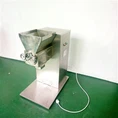
Transporting China vial fillers requires careful planning and execution to ensure that these sophisticated pieces of equipment arrive at their destination in perfect working condition. As a China vial filler supplier, I understand the importance of a seamless transportation process. In this blog, I will share some key considerations and best practices for transporting China vial fillers.
Pre - Transport Preparation
Inspection and Documentation
Before transportation, a thorough inspection of the vial filler is essential. Check all the components, from the filling nozzles to the control panels, to ensure they are in proper working order. Document the condition of the machine through detailed reports and photographs. This documentation will not only serve as a reference in case of any damage during transit but also help the receiving party to verify the machine's state upon arrival.
Disassembly and Packaging
In many cases, it is advisable to disassemble the vial filler into smaller, more manageable parts. This reduces the risk of damage during handling and transportation. Each part should be carefully labeled to ensure easy reassembly at the destination.
When it comes to packaging, use high - quality materials. For delicate components, such as sensors and valves, use shock - absorbing materials like foam or bubble wrap. Place the parts in sturdy crates or containers that are designed to withstand the rigors of transportation. Mark the packages clearly with handling instructions, such as "Fragile" or "This Side Up."
Choosing the Right Transportation Mode
Air Freight
Air freight is often the preferred choice for transporting vial fillers when time is of the essence. It offers a relatively short transit time, which is crucial for customers who need to start using the equipment as soon as possible. However, air freight can be more expensive, especially for large or heavy vial fillers.
When choosing air freight, work with a reliable freight forwarder who has experience in handling industrial equipment. Ensure that the carrier has the necessary facilities and expertise to handle the vial filler safely. For example, they should have proper loading and unloading equipment to prevent damage to the machine.


Sea Freight
Sea freight is a cost - effective option for transporting vial fillers, especially for long - distance shipments. It can accommodate large and heavy equipment, and the shipping containers provide a certain level of protection. However, sea freight has a longer transit time, which may not be suitable for urgent orders.
When using sea freight, select a shipping line with a good reputation for safety and reliability. Consider factors such as the shipping route, transit time, and the type of container used. For vial fillers, a standard 20 - foot or 40 - foot container is usually sufficient. Make sure the container is properly sealed and secured to prevent water ingress and movement during the voyage.
Land Transportation
If the destination is within the same country or a neighboring region, land transportation can be a practical option. Trucks are commonly used for transporting vial fillers over short to medium distances. When choosing a trucking company, ensure that they have the appropriate vehicle size and capacity. The truck should be equipped with proper suspension and shock - absorbing systems to minimize vibrations during transit.
Insurance and Tracking
Insurance
Regardless of the transportation mode chosen, it is crucial to obtain insurance coverage for the vial filler. Accidents can happen during transportation, and insurance provides financial protection in case of damage or loss. Work with an insurance provider who specializes in cargo insurance for industrial equipment. Make sure the policy covers all potential risks, including damage due to handling, accidents, and natural disasters.
Tracking
Tracking the shipment is essential to keep both the supplier and the customer informed about the progress of the transportation. Most transportation companies offer tracking services that allow you to monitor the location of the vial filler in real - time. Use this information to anticipate the arrival time and make necessary arrangements for unloading and installation at the destination.
Installation and Commissioning Support
Once the vial filler arrives at the destination, it is important to provide installation and commissioning support. This ensures that the machine is set up correctly and starts operating smoothly. Our team of experienced technicians can travel to the customer's site to perform the installation and commissioning process.
During the installation, we will follow the manufacturer's guidelines and ensure that all the components are properly connected and calibrated. After the installation, we will conduct a series of tests to verify the machine's performance. This includes checking the filling accuracy, the speed of operation, and the overall functionality of the vial filler.
Related Equipment
In addition to vial fillers, we also supply other related equipment such as Stoppering Machine, Vial Sealing Machine, and Capping Machine. These machines are designed to work seamlessly with the vial fillers, providing a complete solution for vial filling and packaging.
Conclusion
Transporting China vial fillers requires a comprehensive approach that takes into account pre - transport preparation, transportation mode selection, insurance, and post - delivery support. As a China vial filler supplier, we are committed to ensuring that our customers receive their equipment in perfect condition and can start using it as soon as possible.
If you are interested in purchasing a vial filler or any of our related equipment, please feel free to contact us for more information and to discuss your specific requirements. We look forward to working with you to meet your vial filling and packaging needs.
References
- Transportation Best Practices for Industrial Equipment, Industry Insights Journal
- Guidelines for Shipping Fragile Machinery, International Logistics Association