


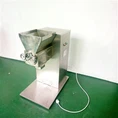
Hey there! As a supplier of mixing equipment, I've seen firsthand how crucial it is to select the right bearing for your machinery. Bearings play a vital role in the smooth operation of mixing equipment, and choosing the wrong one can lead to a host of problems, from reduced efficiency to costly breakdowns. In this blog post, I'll share some tips on how to select the right bearing for your mixing equipment.
Understanding the Basics of Bearings
Before we dive into the selection process, let's take a quick look at what bearings are and how they work. Bearings are mechanical components that support and guide moving parts, reducing friction and allowing for smooth rotation. They come in various types, including ball bearings, roller bearings, and plain bearings, each designed for specific applications.
In mixing equipment, bearings are used to support the shafts and impellers, allowing them to rotate freely and efficiently. They also help to distribute the load evenly across the shaft, reducing wear and tear and extending the lifespan of the equipment.
Factors to Consider When Selecting a Bearing
Now that we have a basic understanding of bearings, let's take a look at the factors you should consider when selecting the right one for your mixing equipment.
Load Capacity
One of the most important factors to consider when selecting a bearing is its load capacity. The load capacity of a bearing refers to the maximum amount of weight or force it can support without failing. When choosing a bearing for your mixing equipment, you need to consider the weight of the impeller, the shaft, and any other components that will be supported by the bearing, as well as the forces generated during operation.
It's important to choose a bearing with a load capacity that is sufficient to handle the expected loads. If the load capacity is too low, the bearing may fail prematurely, leading to costly downtime and repairs. On the other hand, if the load capacity is too high, you may end up paying more for a bearing than you need.
Speed Rating
Another important factor to consider when selecting a bearing is its speed rating. The speed rating of a bearing refers to the maximum rotational speed at which it can operate safely and efficiently. When choosing a bearing for your mixing equipment, you need to consider the speed at which the impeller and shaft will be rotating, as well as any other factors that may affect the speed, such as the viscosity of the material being mixed.
It's important to choose a bearing with a speed rating that is sufficient to handle the expected speeds. If the speed rating is too low, the bearing may overheat and fail, leading to costly downtime and repairs. On the other hand, if the speed rating is too high, you may end up paying more for a bearing than you need.
Lubrication Requirements
Lubrication is essential for the proper functioning of bearings. It helps to reduce friction, prevent wear and tear, and extend the lifespan of the bearing. When choosing a bearing for your mixing equipment, you need to consider the lubrication requirements of the bearing.
Some bearings require regular lubrication, while others are self-lubricating. If you choose a bearing that requires regular lubrication, you need to ensure that you have a proper lubrication system in place and that you follow the manufacturer's recommendations for lubrication intervals and types of lubricant.


Environmental Conditions
The environmental conditions in which your mixing equipment will be operating can also have a significant impact on the performance and lifespan of the bearings. When choosing a bearing for your mixing equipment, you need to consider the temperature, humidity, dust, and other environmental factors that may affect the bearing.
For example, if your mixing equipment will be operating in a high-temperature environment, you need to choose a bearing that is designed to withstand high temperatures. Similarly, if your mixing equipment will be operating in a dusty environment, you need to choose a bearing that is sealed to prevent dust from entering and causing damage.
Cost
Cost is always a factor to consider when making any purchasing decision, and selecting a bearing for your mixing equipment is no exception. When choosing a bearing, you need to consider the cost of the bearing itself, as well as the cost of installation, maintenance, and replacement.
It's important to choose a bearing that offers a good balance between cost and performance. While it may be tempting to choose the cheapest bearing available, this may not always be the best option in the long run. A low-quality bearing may fail prematurely, leading to costly downtime and repairs, which can end up costing you more in the long run than a higher-quality bearing.
Types of Bearings for Mixing Equipment
Now that we've discussed the factors to consider when selecting a bearing for your mixing equipment, let's take a look at the different types of bearings that are commonly used in mixing equipment.
Ball Bearings
Ball bearings are the most common type of bearing used in mixing equipment. They are designed to support both radial and axial loads and are suitable for a wide range of applications. Ball bearings are available in various sizes and configurations, making them a versatile choice for mixing equipment.
One of the advantages of ball bearings is that they have a low friction coefficient, which means they can operate at high speeds with minimal energy consumption. They are also relatively easy to install and maintain, making them a popular choice for many mixing equipment manufacturers.
Roller Bearings
Roller bearings are another type of bearing that is commonly used in mixing equipment. They are designed to support heavy radial loads and are suitable for applications where high load capacity is required. Roller bearings are available in various types, including cylindrical roller bearings, tapered roller bearings, and spherical roller bearings.
One of the advantages of roller bearings is that they have a higher load capacity than ball bearings. They are also more resistant to shock and vibration, making them a good choice for mixing equipment that operates in harsh environments.
Plain Bearings
Plain bearings, also known as sleeve bearings, are a type of bearing that consists of a simple cylindrical sleeve that is placed between the shaft and the housing. They are designed to support radial loads and are suitable for applications where low speed and high load capacity are required.
One of the advantages of plain bearings is that they are relatively inexpensive and easy to install. They are also self-lubricating, which means they require minimal maintenance. However, plain bearings have a higher friction coefficient than ball and roller bearings, which means they can generate more heat and consume more energy.
Conclusion
Selecting the right bearing for your mixing equipment is essential for ensuring its smooth operation and longevity. By considering the factors discussed in this blog post, such as load capacity, speed rating, lubrication requirements, environmental conditions, and cost, you can choose a bearing that is suitable for your specific application.
If you're in the market for mixing equipment or need help selecting the right bearing for your existing equipment, Industrial Mixer Machine we're here to help. We offer a wide range of mixing equipment, including Granulators and Pulverizer, as well as expert advice and support to help you make the right choice.
Contact us today to learn more about our products and services and to discuss your specific needs. We look forward to hearing from you!
References
- Machinery's Handbook, 31st Edition
- Bearing Selection Guide, SKF
- Mixing Equipment Handbook, Chemical Engineering Publications