


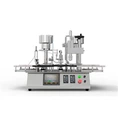
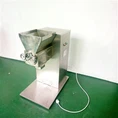
Hey there! As a supplier of mixing equipment, I've seen firsthand how the wear and tear of these machines can be a real headache for businesses. Not only does it lead to costly repairs and replacements, but it can also disrupt production and affect the quality of your products. In this blog post, I'm going to share some tips on how to reduce the wear and tear of your mixing equipment, so you can keep your operations running smoothly and save some money in the process.
1. Choose the Right Equipment for the Job
One of the most important steps in reducing the wear and tear of your mixing equipment is to choose the right machine for the job. Different types of mixing equipment are designed for different applications, and using the wrong machine can put unnecessary stress on the equipment and lead to premature wear.
For example, if you're mixing high-viscosity materials, you'll need a mixer with a powerful motor and a robust agitator. On the other hand, if you're mixing low-viscosity materials, a smaller, less powerful mixer may be sufficient. By choosing the right equipment for the job, you can ensure that your mixer is operating within its design limits and reduce the risk of damage.
When selecting mixing equipment, it's also important to consider the materials you'll be mixing. Some materials can be abrasive or corrosive, which can cause damage to the mixer's components over time. Make sure to choose a mixer that is made from materials that are resistant to the chemicals and abrasives you'll be working with. For more information on different types of industrial mixers, check out our Industrial Mixers page.
2. Follow the Manufacturer's Recommendations
Another important tip for reducing the wear and tear of your mixing equipment is to follow the manufacturer's recommendations for operation and maintenance. The manufacturer's instructions are based on extensive testing and research, and following them can help you get the most out of your equipment and prevent unnecessary damage.
Make sure to read the user manual carefully before operating your mixer and follow all the recommended procedures for startup, shutdown, and cleaning. Pay attention to the recommended operating parameters, such as speed, temperature, and pressure, and avoid exceeding these limits. Overloading the mixer or operating it outside of its design parameters can cause excessive wear and tear on the components and lead to breakdowns.

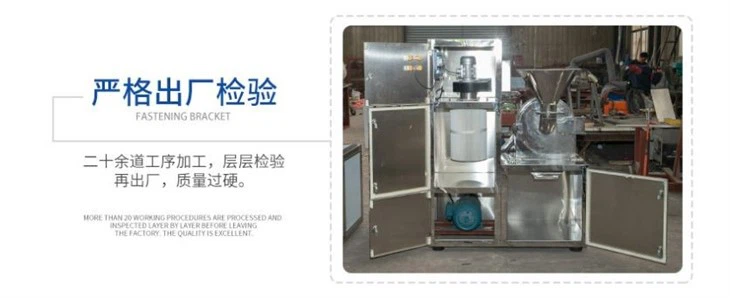
In addition to following the operating instructions, it's also important to perform regular maintenance on your mixer. This includes cleaning the mixer after each use, lubricating the moving parts, and inspecting the components for signs of wear or damage. By performing regular maintenance, you can catch small problems before they become big ones and extend the life of your equipment.
3. Train Your Operators
Proper training is essential for reducing the wear and tear of your mixing equipment. Operators who are not properly trained may not know how to operate the mixer correctly, which can lead to damage to the equipment and safety hazards.
Make sure to provide comprehensive training to all operators who will be using the mixer. The training should cover the operating procedures, safety guidelines, and maintenance requirements of the equipment. Operators should also be trained on how to recognize and respond to potential problems, such as unusual noises or vibrations.
In addition to initial training, it's also important to provide ongoing training and refresher courses to keep operators up-to-date on the latest operating procedures and safety guidelines. By investing in operator training, you can ensure that your equipment is being used correctly and reduce the risk of damage and downtime.
4. Use High-Quality Components and Accessories
Using high-quality components and accessories can also help reduce the wear and tear of your mixing equipment. Cheap or inferior components may not be able to withstand the stresses and strains of continuous operation, which can lead to premature failure and costly repairs.
When replacing components or accessories, make sure to use parts that are specifically designed for your mixer and are made from high-quality materials. This includes belts, bearings, seals, and agitators. Using the right parts can ensure that your mixer is operating at peak performance and reduce the risk of damage.
In addition to using high-quality components, it's also important to use the right accessories for your mixer. For example, using a proper dust collector can help prevent dust and debris from entering the mixer and causing damage to the components. Using a vibration isolator can also help reduce the stress on the mixer and extend its life.
5. Monitor the Equipment Regularly
Regular monitoring of your mixing equipment is essential for detecting potential problems early and preventing costly breakdowns. By monitoring the equipment, you can identify signs of wear or damage and take corrective action before the problem becomes serious.
There are several ways to monitor your mixing equipment, including visual inspections, vibration analysis, and temperature monitoring. Visual inspections can help you identify any obvious signs of wear or damage, such as cracks, leaks, or loose parts. Vibration analysis can help you detect any abnormal vibrations in the equipment, which can indicate a problem with the bearings, belts, or other components. Temperature monitoring can help you detect any overheating in the equipment, which can be a sign of a problem with the motor or other components.
By monitoring your mixing equipment regularly, you can catch small problems before they become big ones and take corrective action to prevent further damage. This can help you save money on repairs and replacements and keep your operations running smoothly.
6. Implement a Preventive Maintenance Program
Implementing a preventive maintenance program is one of the most effective ways to reduce the wear and tear of your mixing equipment. A preventive maintenance program involves performing regular maintenance tasks on your equipment, such as cleaning, lubricating, and inspecting the components, to prevent problems from occurring.
A preventive maintenance program should be based on the manufacturer's recommendations and the specific needs of your equipment. It should include a schedule for performing maintenance tasks, as well as a list of the tasks that need to be performed. By following a preventive maintenance program, you can ensure that your equipment is being maintained properly and reduce the risk of breakdowns.
In addition to performing regular maintenance tasks, a preventive maintenance program should also include a plan for replacing components and accessories before they fail. This can help you avoid unexpected downtime and costly repairs. By replacing components and accessories at regular intervals, you can ensure that your equipment is always operating at peak performance.
7. Consider Upgrading Your Equipment
If your mixing equipment is old or outdated, it may be worth considering upgrading to a newer, more efficient model. Newer models of mixing equipment often incorporate the latest technology and design features, which can help reduce the wear and tear on the equipment and improve its performance.
Upgrading your equipment can also help you increase productivity, reduce energy consumption, and improve the quality of your products. When considering an upgrade, make sure to evaluate your current equipment and determine if an upgrade is necessary. You may also want to consider the cost of the upgrade and the potential savings in terms of reduced maintenance and energy costs.
If you're interested in learning more about upgrading your mixing equipment, or if you have any questions about our products, please don't hesitate to contact us. We're here to help you find the right solution for your needs and ensure that your operations run smoothly.
In conclusion, reducing the wear and tear of your mixing equipment is essential for keeping your operations running smoothly and saving money on repairs and replacements. By following these tips, you can extend the life of your equipment, improve its performance, and reduce the risk of breakdowns. If you have any questions or need further assistance, please don't hesitate to contact us. We're a leading supplier of mixing equipment, and we're here to help you find the right solution for your needs. Let's work together to ensure that your mixing equipment is operating at its best!
References
- Manufacturer's user manuals for mixing equipment
- Industry best practices for equipment maintenance and operation
- Technical articles and research on mixing equipment wear and tear