


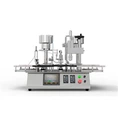
Hey there! As a supplier of filling machines, I've seen firsthand how waste in the filling process can be a real pain in the neck. It not only eats into your profits but also has a negative impact on the environment. In this blog post, I'm gonna share some practical tips on how to reduce waste in the filling process of a filling machine.
1. Regular Maintenance and Calibration
One of the most important things you can do to reduce waste is to keep your filling machine in top - notch condition. Regular maintenance is key. Just like your car needs an oil change and tune - up every now and then, your filling machine needs some TLC too.
Make sure to clean the machine regularly. Residue from previous fills can build up over time and cause blockages or inaccurate fills. A clogged nozzle, for example, can lead to uneven filling and spills. So, set a regular cleaning schedule and stick to it.
Calibration is another crucial aspect. Over time, the sensors and measuring devices in your filling machine can become inaccurate. This can result in over - filling or under - filling products. You should calibrate your machine at least once a month, or more frequently if you notice any issues with fill levels. This ensures that each container gets the exact amount of product it's supposed to, reducing waste significantly.
2. Use High - Quality Components
The quality of the components in your filling machine matters a whole lot. Using cheap, low - quality parts might seem like a money - saving move in the short term, but it can actually end up costing you more in the long run.
For instance, a low - quality valve might leak or not close properly, causing product to spill out during the filling process. On the other hand, a high - quality valve will operate smoothly and ensure a tight seal, minimizing waste.
When it comes to nozzles, choose ones that are designed for your specific product. If you're filling a thick liquid, a nozzle with a larger opening might be necessary. For thin liquids, a smaller, more precise nozzle can prevent splashing and over - filling. You can find a great selection of Bottle Filling Machine and Liquid Filling Machine with high - quality components that are built to last.
3. Optimize the Filling Process
Take a close look at your filling process and see if there are any areas that can be improved. One common source of waste is the speed at which the machine fills the containers. If the filling speed is too fast, it can cause splashing and spills. If it's too slow, it can lead to inefficiencies and over - filling in some cases.
You need to find the sweet spot for your product and containers. Conduct some tests to determine the optimal filling speed. You might also want to consider using a multi - stage filling process. For example, start with a fast fill to get most of the product into the container, and then switch to a slower, more precise fill to top it off.
Another aspect to consider is the way the containers are positioned. Make sure they are properly aligned under the nozzles. Misaligned containers can cause uneven filling and spills. You can use sensors or guides to ensure accurate positioning.
4. Employee Training
Your employees play a huge role in reducing waste in the filling process. They need to be properly trained on how to operate the filling machine correctly.


Train them on the importance of waste reduction and how their actions can impact it. Teach them how to identify and troubleshoot common issues, such as leaks or inaccurate fills. For example, if an employee notices a small leak, they should know how to stop the machine and address the problem before it gets worse.
Provide regular refresher courses to keep their skills up - to - date. Encourage them to share any ideas they have for improving the filling process and reducing waste. A well - trained workforce is your best defense against waste.
5. Implement a Quality Control System
A quality control system is essential for reducing waste. This system should include checks at various stages of the filling process.
Before filling, inspect the containers for any defects, such as cracks or uneven shapes. Defective containers can cause problems during filling and lead to waste. During the filling process, use sensors or visual inspections to ensure that each container is being filled correctly.
After filling, conduct random checks to verify the fill levels. If you find any containers that are over - filled or under - filled, you can take corrective action immediately. This might involve adjusting the machine settings or retraining the operator.
6. Choose the Right Filling Technology
There are different types of filling technologies available, and choosing the right one for your product can make a big difference in waste reduction.
For example, if you're filling a viscous product, a piston - type filling machine might be more suitable. It can provide more accurate fills and better control over the amount of product being dispensed. For thin liquids, a gravity - fed filling machine can be a cost - effective and efficient option.
You can explore a wide range of Liquid Filling Machine options that use different technologies. Consider factors such as the viscosity of your product, the speed of filling, and the accuracy requirements when making your choice.
7. Recycling and Reusing
In addition to reducing waste during the filling process, you can also look into recycling and reusing. If there is some product left in the machine after a fill run, see if it can be collected and reused.
For containers, if they are made of recyclable materials, set up a recycling program. This not only reduces waste but also shows your commitment to the environment.
In conclusion, reducing waste in the filling process of a filling machine is a multi - faceted task. It requires regular maintenance, the use of high - quality components, process optimization, employee training, a quality control system, the right filling technology, and a focus on recycling and reusing.
If you're looking to improve the efficiency of your filling process and reduce waste, I'd love to have a chat with you. Whether you're in the market for a new filling machine or need some advice on optimizing your existing one, don't hesitate to reach out. We can work together to find the best solutions for your business.
References
- Industry standards and best practices for filling machine operation
- Manufacturer's manuals for filling machines
- Case studies on waste reduction in filling processes