


Hey there! As a supplier of mixing equipment, I've seen firsthand how crucial it is to optimize the operation of this machinery. Whether you're in the pharmaceutical, chemical, food, or any other industry that relies on mixing processes, getting the most out of your mixing equipment can save you time, money, and a whole lot of headaches. In this blog post, I'm going to share some tips and strategies on how to optimize the operation of mixing equipment.
Understanding Your Mixing Equipment
The first step in optimizing the operation of your mixing equipment is to have a deep understanding of how it works. Different types of mixing equipment are designed for specific applications, and each has its own set of unique features and capabilities.
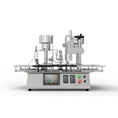
For instance, if you're dealing with pharmaceutical products, you might be using Granulators. These machines are used to create granules from fine powders in the pharmaceutical manufacturing process. Granulators need to be properly calibrated to ensure that the granules are of the right size and quality. The speed of rotation, the pressure applied, and the settings for the screens all play a role in the granulation process.
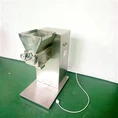
On the other hand, a Mixing Machine is a more general - purpose piece of equipment that can be used to blend different substances together. It could be used to mix dry powders, liquids, or a combination of both. Understanding the mixing principles, such as对流 (convection), shear, and diffusion, is essential. Convection is about moving large volumes of material around, shear involves breaking down agglomerates, and diffusion is the gradual mixing at a molecular level.
Proper Installation and Setup
Once you understand your equipment, the next step is to ensure it's properly installed and set up. This might seem obvious, but a lot of inefficiencies in mixing operations start with a faulty installation.
First, make sure the equipment is installed on a stable surface. Vibrations can cause premature wear and tear on the machine and can also lead to inconsistent mixing results. Check the alignment of all the components, such as the agitators and the mixing chambers. A misaligned agitator might not mix the materials evenly and could also increase energy consumption.
Calibration is another critical aspect of installation. Sensors for temperature, pressure, and speed need to be calibrated accurately. For example, if the temperature sensor on a heated mixing tank is inaccurate, it could lead to over - or under - heating of the materials, affecting the quality of the final product.
Regular Maintenance and Inspection
Regular maintenance is the key to keeping your mixing equipment running smoothly. Just like a car, if you don't take care of it, it's going to break down eventually.
Scheduled maintenance should include cleaning, lubrication, and part replacement. Cleaning the mixing equipment after each use prevents the buildup of residues which can contaminate future batches and also affect the performance of the machine. Lubricating moving parts reduces friction, which extends the lifespan of the components and reduces energy consumption.
Inspect the equipment regularly for signs of wear and tear. Check the seals, gaskets, and belts. A worn - out seal can lead to leaks, while a damaged belt might cause the agitator to malfunction. Replace any parts that show signs of significant damage immediately.
Operator Training
Your operators are the ones who are going to be running the mixing equipment on a daily basis. So, training them properly is essential for optimal operation.
Operators should not only know how to turn the machine on and off but also understand the underlying principles of mixing. They should be trained to monitor the equipment during operation, looking for any signs of abnormal behavior such as unusual noises or vibrations.
Training should also cover safety procedures. Mixing equipment can be dangerous, especially if proper safety measures are not followed. Operators should know how to shut down the equipment in case of an emergency and how to safely handle any hazardous materials involved in the mixing process.
Process Optimization
In addition to taking care of the equipment itself, you can also optimize the mixing process itself.
One way is to optimize the batch size. Running the equipment at its optimal capacity can improve efficiency. If you're running very small batches, you might be wasting energy on getting the equipment up to operating temperature or pressure. On the other hand, overloading the mixing equipment can cause it to malfunction and also lead to poor mixing results.
Another aspect of process optimization is the order in which you add the materials. For example, when using a mixing machine to blend a liquid and a powder, adding the powder slowly while the liquid is being agitated can help prevent clumping and ensure a more uniform mixture.
You can also experiment with different mixing speeds and durations. Sometimes, a longer mixing time at a lower speed can achieve better results than a short, high - speed mixing process, depending on the materials being mixed.
Energy Efficiency
Energy costs can be a significant part of the operating expenses for mixing equipment. There are several ways to make your mixing equipment more energy - efficient.
Upgrading to more energy - efficient motors can make a big difference. Newer motors are designed to use less electricity while still providing the same level of power. Additionally, using variable - speed drives allows you to adjust the speed of the motor according to the requirements of the mixing process. This means you can reduce the speed when less power is needed, saving energy.
Proper insulation of heated mixing tanks can also help save energy. By reducing heat loss, you can lower the amount of energy needed to maintain the desired temperature inside the tank.
Troubleshooting
Even with the best optimization efforts, problems can still arise. Being able to troubleshoot effectively is an important skill for any mixing equipment operator or maintenance technician.
If you notice that the mixing results are inconsistent, check the equipment first. Look for any signs of blockages in the agitators or in the feeding systems. A blockage can prevent materials from being mixed properly.
If the equipment is making unusual noises, it could be a sign of a mechanical problem. Check the belts, gears, and bearings for any signs of wear or damage. Sometimes, a simple tightening of a loose part can solve the noise problem.


Final Thoughts on Contact for Purchase
Optimizing the operation of your mixing equipment can lead to significant benefits, including improved product quality, increased efficiency, and reduced costs. If you're in the market for new mixing equipment or looking to upgrade your existing setup, I'd love to have a chat with you. As a trusted mixing equipment supplier, we can offer you high - quality machines and the expertise to help you get the most out of them.
References
- Smith, John. "Best Practices for Operating Mixing Equipment in the Pharmaceutical Industry." Journal of Pharmaceutical Operations, 2020
- Doe, Jane. "Energy Efficiency in Mixing Processes." Industrial Equipment Review, 2021
- Brown, David. "Troubleshooting Guide for Mixing Machines." Engineering Solutions Magazine, 2019