


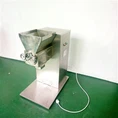
Optimizing the layout of a filling machine in a factory is a crucial task that can significantly impact production efficiency, product quality, and overall operational costs. As a filling machine supplier, I have witnessed firsthand the transformative effects of well - planned layouts on manufacturing processes. In this blog, I will share some key strategies and considerations for optimizing the layout of a filling machine in a factory.
Understanding the Factory Environment
Before diving into the layout design, it's essential to have a comprehensive understanding of the factory environment. This includes factors such as the available floor space, the existing infrastructure (e.g., power supply, water lines, ventilation), and the workflow patterns within the factory. Conducting a detailed site survey can provide valuable insights into these aspects.
For instance, if the factory has limited floor space, a compact and modular filling machine layout may be more suitable. On the other hand, if there is ample space, a more linear or U - shaped layout could be considered to facilitate a smooth and continuous production flow. Additionally, understanding the location of other equipment and workstations in the factory is crucial to ensure seamless integration of the filling machine into the overall production process.
Assessing Production Requirements
Another critical step is to assess the specific production requirements. This involves determining the type of products to be filled (e.g., liquids, powders), the filling volume, the production speed, and the required level of automation. Different types of filling machines are designed to handle various products and production volumes.
For example, if you are filling liquids, a Liquid Filling Machine may be the most appropriate choice. These machines are available in different configurations, such as piston fillers, gravity fillers, and peristaltic fillers, each with its own advantages and limitations. If the production involves filling bottles, a Bottle Filling Machine can be specifically tailored to meet the requirements of bottle - based products.
Layout Design Principles
1. Minimize Material Handling
One of the primary goals of layout optimization is to minimize the distance and effort required to move materials and products within the factory. This can be achieved by placing the filling machine close to the raw material storage area and the packaging station. A short and direct material flow reduces the risk of product contamination, damage, and delays.
For example, if the filling machine uses liquid ingredients, the storage tanks for these liquids should be located in close proximity to the machine. This allows for easy and efficient transfer of the liquids to the filling nozzles, eliminating the need for long and complex piping systems.
2. Ensure Operator Safety and Comfort
The safety and comfort of the operators are of utmost importance. The layout should provide sufficient space for operators to move around the filling machine, perform maintenance tasks, and access control panels. Adequate lighting, ventilation, and ergonomic workstations should be incorporated into the design.
For instance, the control panel of the filling machine should be placed at a comfortable height and within easy reach of the operators. This reduces the risk of operator fatigue and improves productivity. Additionally, safety guards and emergency stop buttons should be clearly visible and accessible to ensure a safe working environment.
3. Facilitate Maintenance and Cleaning
Regular maintenance and cleaning are essential for the proper functioning and longevity of the filling machine. The layout should allow easy access to all parts of the machine for inspection, repair, and cleaning. Removable panels, easy - to - reach valves, and accessible pumps can significantly simplify these tasks.
For example, if the filling machine has a complex internal structure, the layout should provide enough space to open the machine and clean or replace components without disassembling large parts of the equipment. This reduces downtime and maintenance costs.
4. Allow for Future Expansion
Factories often need to adapt to changing market demands and production requirements. The layout of the filling machine should be designed with future expansion in mind. This may involve leaving extra space around the machine for additional modules or equipment, or designing a flexible layout that can be easily reconfigured.


For example, if the factory plans to increase the production volume in the future, the layout should allow for the addition of more filling heads or the integration of a faster conveyor system. This ensures that the investment in the filling machine remains relevant and cost - effective over the long term.
Implementing the Layout
Once the layout design is finalized, it's time to implement it in the factory. This involves installing the filling machine, connecting the necessary utilities (e.g., power, water, air), and testing the system to ensure proper functionality.
During the installation process, it's important to follow the manufacturer's guidelines and safety procedures. Professional installation teams can ensure that the filling machine is installed correctly and aligned properly. After installation, a comprehensive testing phase should be conducted to check for any leaks, malfunctions, or performance issues.
Monitoring and Continuous Improvement
After the filling machine is up and running, it's crucial to monitor its performance regularly. This includes tracking key performance indicators (KPIs) such as production speed, filling accuracy, and downtime. By analyzing these KPIs, you can identify areas for improvement and make necessary adjustments to the layout or the machine settings.
For example, if the production speed is lower than expected, you may need to review the layout to ensure that there are no bottlenecks in the material flow or operator movement. If the filling accuracy is inconsistent, you may need to check the calibration of the filling machine or the quality of the raw materials.
In conclusion, optimizing the layout of a filling machine in a factory is a complex but rewarding process. By understanding the factory environment, assessing production requirements, applying layout design principles, implementing the layout correctly, and continuously monitoring and improving the system, you can achieve significant improvements in production efficiency, product quality, and cost - effectiveness.
If you are interested in learning more about our Liquid Filling Machine or need assistance in optimizing the layout of your filling machine, please feel free to contact us. We are committed to providing you with the best solutions for your filling needs.
References
- Groover, M. P. (2010). Automation, Production Systems, and Computer - Integrated Manufacturing. Pearson.
- Chua, C. K., & Goh, T. N. (2011). Facility Layout and Location: An Analytical Approach. Springer.
- Tompkins, J. A., White, J. A., Bozer, Y. A., & Tanchoco, J. M. A. (2010). Facilities Planning. Wiley.