


In the pharmaceutical and nutraceutical industries, the stability of the capsule filling process is of paramount importance. As a reputable capsule filler supplier, we understand the challenges that manufacturers face in achieving a consistent and reliable filling process. In this blog post, we will explore various strategies and techniques to make the capsule filling process more stable, ensuring high-quality products and efficient production.
Understanding the Capsule Filling Process
Before delving into ways to enhance process stability, it is crucial to have a clear understanding of the capsule filling process itself. The process typically involves several key steps: capsule feeding, separation, filling, and closing. Each step must be carefully controlled to ensure accurate dosing and proper sealing of the capsules.
The capsule feeding system is responsible for delivering empty capsules to the filling station. This step requires precise control to ensure that capsules are fed smoothly and without jams. Separation involves splitting the capsule bodies from the caps, which is essential for filling the capsules with the desired product. The filling step is where the active ingredients or other substances are dispensed into the capsule bodies. Finally, the capsule caps are re - attached to the bodies, and the filled capsules are ejected from the machine.
Factors Affecting Process Stability
Several factors can influence the stability of the capsule filling process. These include:
1. Raw Material Quality
The quality of the raw materials, such as the capsules themselves and the filling materials, can have a significant impact on the filling process. Capsules with inconsistent wall thickness or size variations may cause problems during separation and filling. Similarly, the flow properties of the filling materials, such as powders or granules, can affect the accuracy of dosing. For example, if the powder is too cohesive, it may not flow evenly into the capsules, leading to under - or over - filling.
2. Machine Design and Maintenance
The design of the capsule filler machine plays a crucial role in process stability. A well - designed machine should have precise mechanisms for capsule handling, filling, and closing. Regular maintenance is also essential to ensure that the machine operates at its optimal performance. Components such as feeders, dosing systems, and sealing mechanisms need to be inspected and serviced regularly to prevent breakdowns and ensure consistent operation.
3. Environmental Conditions
Environmental factors, such as temperature and humidity, can affect the capsule filling process. High humidity can cause capsules to become sticky, making them difficult to handle and separate. Temperature variations can also impact the flow properties of the filling materials. Therefore, it is important to maintain a stable environment within the production area to minimize these effects.
4. Operator Skill and Training
The skill and training of the operators are vital for a stable capsule filling process. Operators should be well - trained in machine operation, troubleshooting, and quality control. They should be able to identify and address issues promptly to prevent production disruptions.
Strategies to Improve Process Stability
1. Quality Control of Raw Materials
Implementing strict quality control measures for raw materials is essential. For capsules, suppliers should be carefully selected, and incoming capsules should be inspected for size, shape, and wall thickness. Filling materials should also be tested for flow properties, particle size distribution, and moisture content. By ensuring the quality of the raw materials, the risk of process instability can be significantly reduced.
2. Upgrading Machine Technology
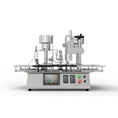
Investing in advanced capsule filler machines can greatly improve process stability. Modern machines are equipped with features such as automated dosing systems, precision filling mechanisms, and real - time monitoring capabilities. For example, some Capsule Filler Machine models use servo - driven systems to control the movement of components, ensuring accurate and consistent operation. Additionally, advanced sensors can detect any abnormalities during the filling process, allowing for immediate corrective action.


3. Environmental Control
Maintaining a controlled environment within the production area is crucial. This can be achieved through the use of air conditioning and dehumidification systems. By keeping the temperature and humidity within a narrow range, the physical properties of the capsules and filling materials can be stabilized, reducing the likelihood of process issues.
4. Operator Training and Certification
Providing comprehensive training to operators is essential for a stable capsule filling process. Training programs should cover machine operation, maintenance, quality control, and troubleshooting. Operators should also be certified to ensure that they have the necessary skills and knowledge to perform their tasks effectively. Regular refresher courses can help operators stay up - to - date with the latest techniques and best practices.
5. Process Monitoring and Optimization
Implementing a process monitoring system is an effective way to ensure process stability. Real - time monitoring of key parameters, such as filling weight, capsule count, and machine speed, can help identify any trends or deviations from the desired specifications. By analyzing this data, adjustments can be made to the process to optimize performance. For example, if the filling weight is consistently deviating from the target, the dosing system can be adjusted accordingly.
The Role of Capsule Counters
Capsule Counter devices are an important part of the capsule filling process. They can be used to verify the number of capsules produced and ensure that the filling process is running smoothly. Capsule counters use various technologies, such as optical sensors or mechanical counting mechanisms, to accurately count the capsules. By integrating a capsule counter into the production line, manufacturers can quickly detect any issues, such as missed capsules or over - production, and take corrective action.
The Importance of Capsule Filling Machine Selection
Choosing the right Capsule Filling Machine is crucial for a stable and efficient filling process. When selecting a machine, manufacturers should consider factors such as production capacity, filling accuracy, ease of operation, and maintenance requirements. Different types of capsule filling machines are available, including manual, semi - automatic, and fully automatic models. The choice of machine will depend on the specific needs and production volume of the manufacturer.
Conclusion
In conclusion, achieving a stable capsule filling process requires a comprehensive approach that addresses all aspects of the production process. By focusing on raw material quality, machine design and maintenance, environmental control, operator training, and process monitoring, manufacturers can significantly improve the stability and efficiency of their capsule filling operations. As a capsule filler supplier, we are committed to providing our customers with high - quality machines and technical support to help them achieve these goals.
If you are interested in learning more about our capsule filling solutions or have any questions regarding the capsule filling process, we encourage you to contact us for a detailed discussion. Our team of experts will be happy to assist you in finding the best solution for your specific needs.
References
- Pharmaceutical Manufacturing Handbook: Capsule Production, Second Edition, edited by R. G. Martin - del - Valle and C. A. P. M. Hendrickx.
- "Optimization of Capsule Filling Process Parameters" by Journal of Pharmaceutical Sciences.
- "Quality Control in Capsule Filling" by International Journal of Pharmaceutics.