


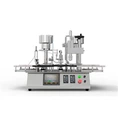
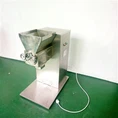
A pulverizer is a crucial piece of equipment in various industries, including pharmaceuticals, food processing, and chemical manufacturing. As a supplier of high - quality pulverizers, I understand the importance of proper maintenance to ensure the long - term performance and efficiency of these machines. In this blog, I will share some essential tips on how to maintain a pulverizer.
Regular Cleaning
One of the most fundamental aspects of pulverizer maintenance is regular cleaning. Over time, dust, debris, and residues from the materials being processed can accumulate inside the pulverizer. This buildup can not only affect the machine's performance but also lead to premature wear and tear of its components.
Before starting the cleaning process, always make sure the pulverizer is powered off and disconnected from the power source. Wear appropriate personal protective equipment, such as gloves and a dust mask, to protect yourself from any remaining dust or debris.
Use a soft brush or compressed air to remove loose dust and debris from the exterior and interior of the pulverizer. Pay special attention to areas such as the feed hopper, grinding chamber, and discharge chute. For stubborn residues, you can use a mild cleaning solution and a clean cloth to wipe down the surfaces. However, avoid using abrasive cleaners or tools that could scratch or damage the machine.
Lubrication
Proper lubrication is essential for the smooth operation of a pulverizer. The moving parts of the machine, such as bearings, gears, and shafts, require regular lubrication to reduce friction and prevent excessive wear.
Refer to the manufacturer's manual for the recommended lubricants and lubrication intervals. Different types of pulverizers may have different lubrication requirements, so it's important to follow the guidelines provided.
When lubricating the machine, use the appropriate tools, such as a grease gun or oil can, to apply the lubricant evenly. Make sure not to over - lubricate, as this can attract dust and debris and cause additional problems. Check the lubricant levels regularly and top up as needed.
Inspection of Components
Regular inspection of the pulverizer's components is crucial for detecting any signs of wear, damage, or malfunction early on. This can help prevent costly breakdowns and ensure the machine operates safely and efficiently.
Inspect the grinding blades or hammers regularly for signs of wear. Worn - out blades or hammers can affect the grinding performance and may need to be replaced. Check the alignment of the blades or hammers to ensure they are properly installed and functioning correctly.
Examine the belts and pulleys for any signs of cracking, fraying, or misalignment. Loose or worn belts can cause slippage, which can reduce the machine's efficiency. Tighten or replace the belts as necessary.
Inspect the bearings for any signs of overheating, noise, or excessive play. Faulty bearings can lead to serious damage to the machine if not addressed promptly. If you notice any issues with the bearings, consult a professional technician for further inspection and replacement.
Calibration
Calibration is an important part of pulverizer maintenance, especially for machines that require precise grinding or particle size control. Over time, the settings of the pulverizer may drift, resulting in inconsistent grinding results.
Regularly calibrate the pulverizer according to the manufacturer's instructions. This may involve adjusting the speed, pressure, or other parameters of the machine to ensure it produces the desired particle size and quality. Use appropriate measuring tools, such as sieves or particle size analyzers, to verify the calibration results.
Electrical System Maintenance
The electrical system of a pulverizer is critical for its operation. Faulty electrical components can not only cause the machine to malfunction but also pose a safety hazard.
Inspect the electrical wiring regularly for any signs of damage, such as fraying, cracking, or loose connections. Make sure all electrical connections are tight and secure. Check the fuses and circuit breakers to ensure they are in good working condition.
Keep the electrical control panel clean and free from dust and debris. Avoid exposing the electrical components to moisture or excessive heat, as this can cause damage. If you notice any electrical problems, such as abnormal noises, sparks, or a tripped circuit breaker, stop using the machine immediately and consult a qualified electrician.
Safety Checks
Safety should always be a top priority when maintaining a pulverizer. Before performing any maintenance tasks, make sure the machine is properly locked out and tagged out to prevent accidental startup.
Check the safety guards and interlocks regularly to ensure they are in place and functioning correctly. These safety features are designed to protect operators from moving parts and other hazards. Do not remove or bypass the safety guards or interlocks during normal operation.
Provide proper training to operators on the safe use and maintenance of the pulverizer. Make sure they are aware of the potential hazards and know how to use the machine safely.
Spare Parts Management
As a pulverizer supplier, I recommend keeping a stock of essential spare parts on hand. This can help minimize downtime in case of a breakdown. Some common spare parts that you may want to keep include grinding blades, belts, bearings, and filters.
Store the spare parts in a clean, dry place to prevent corrosion and damage. Keep an inventory of the spare parts and update it regularly to ensure you have the necessary parts when needed.
Troubleshooting
Even with proper maintenance, problems may still occur with a pulverizer. Here are some common issues and their possible solutions:
- Poor Grinding Performance: This could be due to worn - out blades, incorrect settings, or a clogged grinding chamber. Check the blades for wear and replace them if necessary. Adjust the settings according to the manufacturer's instructions and clean the grinding chamber.
- Excessive Noise: Noise can be a sign of loose components, misaligned parts, or worn - out bearings. Inspect the machine for loose parts and tighten them. Check the alignment of the components and adjust if needed. Replace the worn - out bearings.
- Overheating: Overheating can be caused by a lack of lubrication, overloading the machine, or a malfunctioning cooling system. Check the lubricant levels and top up as needed. Reduce the feed rate to avoid overloading the machine. Inspect the cooling system and make sure it is working properly.
In conclusion, maintaining a pulverizer is essential for its long - term performance, efficiency, and safety. By following these maintenance tips, you can ensure that your pulverizer operates smoothly and reliably for many years. If you are in the market for a high - quality pulverizer or need more information on maintenance, please feel free to [contact us for procurement discussions]. We also offer a range of related equipment such as Mixing Machine, Granulators, and Industrial Mixers to meet your industrial needs.


References
- Manufacturer's manuals for various pulverizer models
- Industry best practices for equipment maintenance in the pharmaceutical, food, and chemical industries