


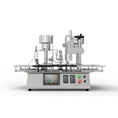
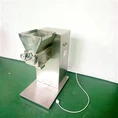
A pulverizer is a crucial piece of equipment in various industries, such as pharmaceuticals, chemicals, and food processing. It is used to reduce the size of materials into fine particles. As a professional pulverizer supplier, I understand that proper installation is the key to ensuring the efficient and safe operation of the pulverizer. In this blog, I will guide you through the step - by - step process of installing a pulverizer.
Pre - installation Preparations
Before you start the actual installation, there are several important preparations that you need to make.
Site Selection
The first step is to choose an appropriate installation site. The site should be a flat and stable surface. A sloping or uneven floor can cause the pulverizer to vibrate during operation, which may lead to premature wear and tear of the machine parts and even affect the quality of the pulverized products.
The site should also have sufficient space around the pulverizer. This is important for easy access during maintenance and repair work. At least a 1 - 2 - meter clearance on all sides of the pulverizer is recommended.
In addition, the site should be well - ventilated. Pulverizers generate a lot of dust during operation, and good ventilation can help to remove the dust from the working area, protecting the health of the operators and reducing the risk of dust explosions.
Power Supply
Ensure that the power supply at the installation site meets the requirements of the pulverizer. Check the voltage, frequency, and phase of the power supply. Most industrial pulverizers require a three - phase power supply. Make sure that the power cable is of the appropriate size to handle the electrical load of the pulverizer.
It is also advisable to install a dedicated circuit breaker for the pulverizer. This can protect the machine from electrical overloads and short - circuits, and also make it easier to isolate the power in case of an emergency.
Equipment Inspection
Before installation, carefully inspect the pulverizer and all its components. Check for any damage or missing parts during transportation. Make sure that all the fasteners are tightened properly. If you find any problems, contact the supplier immediately for replacement or repair.
Installation Steps
Unloading and Positioning
Use appropriate lifting equipment, such as a crane or a forklift, to unload the pulverizer from the transportation vehicle. Be very careful during the unloading process to avoid any impact or damage to the machine.
Position the pulverizer at the pre - selected installation site. You can use a level to ensure that the machine is perfectly horizontal. Adjust the leveling feet of the pulverizer if necessary.
Connection of Inlet and Outlet Pipes
The pulverizer usually has an inlet for the raw materials and an outlet for the pulverized products. Connect the inlet pipe to the feeding device, such as a hopper or a conveyor. Make sure that the connection is tight to prevent any leakage of materials.
Connect the outlet pipe to the collecting device, such as a cyclone separator or a bag filter. The outlet pipe should be installed in a way that allows for smooth flow of the pulverized materials. You may need to use flexible connectors to compensate for any vibrations or movements of the pulverizer during operation.
Electrical Connection
Connect the power cable of the pulverizer to the power supply according to the electrical wiring diagram provided by the manufacturer. Make sure that all the electrical connections are secure and insulated properly.
Install the control panel of the pulverizer. The control panel is used to start, stop, and adjust the operation of the pulverizer. Connect the control panel to the pulverizer's electrical system.


Belt and Pulley Installation (if applicable)
Some pulverizers use belts and pulleys to transmit power from the motor to the grinding mechanism. If your pulverizer has this type of power transmission system, install the belts and pulleys correctly. Adjust the tension of the belts to ensure efficient power transmission. A loose belt can cause slipping and reduce the efficiency of the pulverizer, while an overly tight belt can put excessive stress on the bearings and other components.
Lubrication
Before starting the pulverizer, lubricate all the moving parts according to the manufacturer's instructions. This includes the bearings, gears, and other friction - prone parts. Use the recommended lubricants to ensure proper lubrication and reduce wear and tear.
Post - installation Checks
After the installation is completed, a series of checks should be carried out before starting the pulverizer for the first time.
Mechanical Check
Check all the mechanical connections again to ensure that they are tight. Rotate the main shaft of the pulverizer by hand to make sure that there is no abnormal resistance or interference. Check the alignment of the belts and pulleys (if applicable).
Electrical Check
Check the electrical connections for any loose wires or short - circuits. Use a multimeter to measure the voltage and current at different points of the electrical system. Make sure that the control panel is functioning properly.
Trial Run
Start the pulverizer for a short trial run. Observe the operation of the machine carefully. Listen for any abnormal noises, such as rattling or screeching, which may indicate a problem with the installation or the machine itself.
Check the temperature of the bearings and other components during the trial run. If the temperature rises abnormally high, stop the machine immediately and check for the cause.
Maintenance and Troubleshooting Tips
Regular maintenance is essential to keep the pulverizer in good working condition. Here are some maintenance tips:
- Cleaning: Clean the pulverizer regularly to remove any accumulated dust and debris. This can prevent clogging of the inlet and outlet pipes and improve the efficiency of the machine.
- Lubrication: Regularly check and replenish the lubricants in the moving parts. Follow the manufacturer's recommended lubrication schedule.
- Inspection of Wear Parts: Periodically inspect the wear parts, such as the grinding blades and screens. Replace them when they are worn out to ensure the quality of the pulverized products.
In case of any problems with the pulverizer, here are some common troubleshooting steps:
- Loss of Power: Check the power supply, the electrical connections, and the motor. A blown fuse or a damaged motor may cause a loss of power.
- Excessive Vibration: Check the leveling of the pulverizer and the tightness of the fasteners. Loose parts or an uneven installation surface can cause excessive vibration.
Conclusion
Installing a pulverizer correctly is a complex but crucial task. By following the steps and tips outlined in this blog, you can ensure a smooth installation process and the long - term efficient operation of your pulverizer.
If you are interested in our Pulverizer products or need more information about installation and maintenance, please feel free to contact us for procurement and further discussions. We also offer other related products such as Industrial Mixers and Mixing Machine. Our professional team is always ready to provide you with the best solutions for your industrial needs.
References
- Manufacturer's installation manual of the pulverizer.
- Industrial equipment installation and maintenance guidelines.