


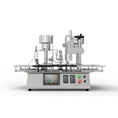
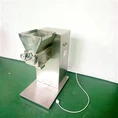
As a provider of capsule fillers, I understand the critical role that sealing performance plays in the pharmaceutical and nutraceutical industries. A well-sealed capsule ensures product integrity, protects against contamination, and maintains the efficacy of the enclosed substances. In this blog post, I'll share some valuable insights on how to enhance the sealing performance of capsules filled by a Capsule Filler.
Understanding the Basics of Capsule Sealing
Before delving into improvement strategies, it's essential to understand the fundamentals of capsule sealing. Capsules are typically made of gelatin or other polymer materials, and the sealing process involves joining the cap and body of the capsule to create a hermetic seal. The quality of the seal depends on several factors, including the material properties of the capsule, the filling process, and the sealing mechanism of the capsule filler.


Selecting the Right Capsule Material
The choice of capsule material significantly impacts the sealing performance. Gelatin capsules are widely used due to their excellent sealing properties, biocompatibility, and ease of processing. However, alternative materials such as hydroxypropyl methylcellulose (HPMC) are gaining popularity, especially for vegetarian and vegan products. When selecting a capsule material, consider the following factors:
- Moisture Sensitivity: Some materials are more sensitive to moisture than others, which can affect the sealing quality. For example, gelatin capsules can absorb moisture from the environment, leading to swelling and potential seal failure. If your product is moisture-sensitive, choose a capsule material with low moisture permeability.
- Compatibility with the Filling Material: Ensure that the capsule material is compatible with the filling substance. Some materials may react with the filling, causing discoloration, degradation, or changes in the sealing properties. Conduct compatibility tests before large-scale production to avoid any issues.
- Sealing Temperature and Pressure: Different capsule materials require specific sealing temperatures and pressures for optimal performance. Consult the capsule manufacturer's guidelines to determine the appropriate settings for your chosen material.
Optimizing the Filling Process
The filling process can also influence the sealing performance of capsules. Here are some tips to optimize the filling process:
- Proper Filling Level: Overfilling or underfilling the capsules can affect the sealing quality. Ensure that the filling level is consistent and within the recommended range for the capsule size. Use a Capsule Counter to accurately measure the filling quantity and maintain uniformity.
- Filling Material Consistency: The consistency of the filling material can impact the sealing process. If the filling is too viscous, it may not flow evenly into the capsules, leading to incomplete filling and poor sealing. On the other hand, if the filling is too thin, it may leak out during the sealing process. Adjust the viscosity of the filling material as needed to ensure proper flow and filling.
- Cleanliness of the Filling Equipment: Contamination in the filling equipment can cause seal defects. Regularly clean and maintain the filling equipment to prevent the buildup of debris, dust, or other contaminants. Use appropriate cleaning agents and follow the manufacturer's instructions for cleaning and disinfection.
Improving the Sealing Mechanism
The sealing mechanism of the capsule filler is crucial for achieving a reliable and consistent seal. Here are some ways to improve the sealing mechanism:
- Proper Alignment of Capsule Parts: Ensure that the cap and body of the capsule are properly aligned before sealing. Misalignment can result in uneven sealing, leakage, or seal failure. Check the alignment regularly and adjust the capsule filler settings as needed.
- Optimal Sealing Temperature and Pressure: The sealing temperature and pressure are critical parameters that affect the quality of the seal. Experiment with different temperature and pressure settings to find the optimal combination for your capsule material and filling substance. Monitor the sealing process closely and make adjustments as necessary to ensure consistent results.
- Sealing Tool Maintenance: The sealing tools, such as the heat seal jaws or ultrasonic sealing heads, need to be properly maintained to ensure optimal performance. Regularly inspect the sealing tools for wear and tear, and replace them as needed. Clean the sealing tools after each use to remove any residue or debris that may affect the sealing quality.
Quality Control and Testing
Implementing a comprehensive quality control and testing program is essential to ensure the sealing performance of capsules. Here are some key steps to include in your quality control process:
- Visual Inspection: Conduct visual inspections of the sealed capsules to check for any visible defects, such as leaks, cracks, or improper sealing. Use a magnifying glass or microscope to detect any minor defects that may not be visible to the naked eye.
- Leak Testing: Perform leak testing on a sample of the sealed capsules to ensure that they are properly sealed. There are several methods available for leak testing, including vacuum testing, dye penetration testing, and pressure decay testing. Choose the method that is most appropriate for your product and production volume.
- Shelf Life Testing: Conduct shelf life testing to evaluate the long-term stability of the sealed capsules. Store the capsules under controlled conditions and monitor them over time for any changes in the sealing quality, appearance, or efficacy of the filling substance. This will help you determine the appropriate storage conditions and shelf life of your product.
Conclusion
Improving the sealing performance of capsules filled by a capsule filler requires a comprehensive approach that addresses the selection of the right capsule material, optimization of the filling process, improvement of the sealing mechanism, and implementation of a rigorous quality control and testing program. By following these tips and best practices, you can ensure that your capsules are properly sealed, protecting the integrity and efficacy of your products.
If you're interested in learning more about our Capsule Filler or other capsule machines, please don't hesitate to contact us for a detailed discussion and procurement negotiation. We're committed to providing high-quality equipment and solutions to meet your specific needs.
References
- Pharmaceutical Capsule Technology Handbook, [Publisher's Name], [Year of Publication]
- Journal of Pharmaceutical Sciences, Volume [Volume Number], Issue [Issue Number], [Year]
- International Journal of Pharmaceutics, Volume [Volume Number], Issue [Issue Number], [Year]