


Hey there! As a supplier of pulverizers, I know firsthand how crucial it is to ensure the quality of a pulverizer's output. Whether you're in the pharmaceutical, food, or chemical industry, getting the right particle size and consistency is key. In this blog, I'll share some tips and tricks on how to achieve top - notch output quality from your pulverizer.
1. Choose the Right Pulverizer
First things first, picking the appropriate pulverizer for your specific needs is essential. There are different types of pulverizers out there, like hammer mills, jet mills, and ball mills. Each type has its own advantages and is suitable for different materials and applications.
For instance, if you're dealing with hard and brittle materials, a hammer mill might be a good choice. It uses high - speed rotating hammers to break down the materials. On the other hand, jet mills are great for producing very fine particles and are often used in the pharmaceutical industry. You can check out our Pulverizer Machine page to see the different options we offer.
2. Material Preparation
Proper material preparation can significantly impact the quality of the pulverizer's output. Before feeding the material into the pulverizer, make sure it's clean and free from any contaminants. If there are large chunks in the material, pre - crushing them can help the pulverizer work more efficiently.
Also, the moisture content of the material matters. Too much moisture can cause clogging in the pulverizer and lead to inconsistent particle sizes. You might need to dry the material to an appropriate level before processing. For example, in the food industry, drying fruits before pulverizing them can prevent the formation of lumps and ensure a more uniform powder.
3. Optimize Operating Parameters
The operating parameters of the pulverizer play a huge role in output quality. These include things like speed, feed rate, and pressure.

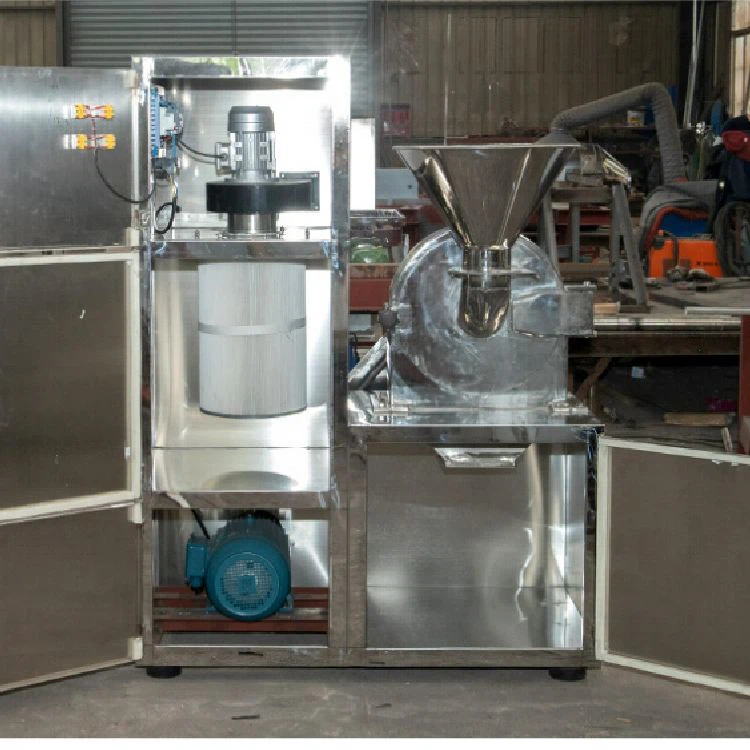
- Speed: The rotational speed of the pulverizer's components affects the size of the particles produced. Higher speeds generally result in finer particles, but there's a limit. If the speed is too high, it can cause excessive heat generation, which might damage heat - sensitive materials. You need to find the sweet spot for your specific material.
- Feed Rate: Feeding the material at the right rate is crucial. If you feed too much material at once, the pulverizer might not be able to process it properly, leading to uneven particle sizes. On the other hand, feeding too little material can be inefficient. You should adjust the feed rate based on the capacity of your pulverizer and the characteristics of the material.
- Pressure: In some types of pulverizers, like jet mills, pressure is an important parameter. Controlling the pressure accurately can help achieve the desired particle size distribution.
4. Regular Maintenance
Just like any other machine, a pulverizer needs regular maintenance to perform at its best. This includes cleaning, lubricating, and inspecting the parts.
- Cleaning: Over time, dust and debris can accumulate inside the pulverizer, which can affect its performance. Regularly cleaning the internal components can prevent clogging and ensure smooth operation.
- Lubrication: Proper lubrication of moving parts reduces friction and wear. It also helps in maintaining the efficiency of the pulverizer. Make sure to use the right type of lubricant and follow the manufacturer's recommendations for lubrication intervals.
- Inspection: Regularly inspecting the pulverizer for any signs of wear or damage is essential. Replace any worn - out parts promptly to avoid breakdowns and maintain the quality of the output.
5. Quality Control Checks
Implementing quality control checks during the pulverizing process is a must. You can use various techniques to monitor the quality of the output.
- Particle Size Analysis: This is one of the most important quality control measures. You can use sieving, laser diffraction, or other methods to determine the particle size distribution of the pulverized material. If the particle size is not within the desired range, you can adjust the operating parameters of the pulverizer accordingly.
- Chemical Analysis: In some industries, like the pharmaceutical industry, the chemical composition of the pulverized material needs to be accurate. Conducting chemical analysis can help ensure that the material meets the required specifications.
6. Complementary Machines
Sometimes, using complementary machines can enhance the quality of the pulverizer's output. For example, a Granulator Machine can be used after pulverizing to create granules of a specific size and shape. This can improve the flowability and compressibility of the material, especially in the pharmaceutical and food industries.
A Mixing Machine can also be useful. If you're pulverizing multiple materials, a mixing machine can ensure that they are evenly blended, resulting in a more homogeneous product.
7. Training for Operators
Well - trained operators are key to ensuring the quality of a pulverizer's output. They should have a good understanding of the machine's operation, maintenance, and troubleshooting. Provide comprehensive training to your operators on how to set the right operating parameters, perform regular maintenance, and conduct quality control checks.
Encourage them to report any issues or abnormalities immediately so that they can be addressed promptly. A well - trained operator can also make small adjustments during the process to optimize the output quality.
Conclusion
Ensuring the quality of a pulverizer's output requires a combination of the right equipment, proper material preparation, optimized operating parameters, regular maintenance, quality control checks, and well - trained operators. By following these tips, you can achieve consistent and high - quality output from your pulverizer.
If you're interested in purchasing a pulverizer or need more information on how to improve the output quality of your existing machine, don't hesitate to reach out. We're here to help you make the best choices for your business.
References
- Perry, R. H., & Green, D. W. (1997). Perry's Chemical Engineers' Handbook. McGraw - Hill.
- Mohsenin, N. N. (1980). Physical Properties of Plant and Animal Materials. Gordon and Breach Science Publishers.