


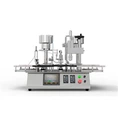
Hey there! As a supplier of ampoule sealers, I've seen firsthand how crucial it is to have top - notch sealing security. In this blog, I'm gonna share some tips on how to enhance the sealing security of an [Ampoule Sealer]( /ampoule - filling - and - sealing - machine/ampoule - sealer.html).
Understanding the Basics of Ampoule Sealing
First off, let's get a quick understanding of what ampoule sealing is all about. An ampoule is a small, sealed vial that's often used to store liquid medications, vaccines, or other sensitive substances. The sealing process is super important because it protects the contents from contamination, oxidation, and evaporation.
The [Ampoule Sealer]( /ampoule - filling - and - sealing - machine/ampoule - sealer.html) is the key player here. It uses heat to melt the glass of the ampoule neck and then seals it shut. But there are a bunch of factors that can affect the quality of the seal, like the type of glass, the heating process, and the handling of the ampoules.
Choosing the Right Ampoule Glass
The type of glass used for the ampoules can have a huge impact on the sealing security. There are different kinds of glass, such as borosilicate glass and soda - lime glass. Borosilicate glass is a popular choice because it has a low coefficient of thermal expansion. This means it can withstand the rapid heating and cooling during the sealing process without cracking or breaking.
When you're choosing ampoules for your sealing machine, make sure to pick ones made from high - quality borosilicate glass. It might cost a bit more, but it'll save you a lot of headaches in the long run. You can work with a reliable glass supplier who can provide you with ampoules that meet the required standards.
Optimizing the Heating Process
The heating process is the heart of the ampoule sealing operation. If the heat is too low, the glass won't melt properly, and the seal won't be airtight. On the other hand, if the heat is too high, the glass might over - melt, leading to deformities or even breakage.
Most modern [Ampoule Sealers]( /ampoule - filling - and - sealing - machine/ampoule - sealer.html) come with adjustable heating settings. You need to experiment a bit to find the sweet spot for your specific ampoules and sealing requirements. Start by following the manufacturer's guidelines, but don't be afraid to make small adjustments based on your observations.
It's also a good idea to monitor the temperature during the sealing process. You can use a pyrometer or an infrared thermometer to measure the temperature of the glass. This will help you ensure that the heat is consistent across all the ampoules.
Proper Ampoule Handling
How you handle the ampoules before, during, and after the sealing process can also affect the sealing security. Before filling the ampoules, make sure they're clean and free of any debris. Any particles on the glass surface can prevent a proper seal from forming.
During the filling process, use a high - quality [Ampoule Filler]( /ampoule - filling - and - sealing - machine/ampoule - filler - factory.html). This will ensure that the liquid is dispensed accurately and that there are no air bubbles in the ampoule. Air bubbles can cause problems during the sealing process, as they can create weak spots in the seal.


After filling, handle the ampoules gently. Avoid shaking or dropping them, as this can cause the liquid to splash and affect the sealing area. Once the ampoules are sealed, let them cool down slowly. Rapid cooling can cause stress in the glass, which might lead to cracks later on.
Regular Maintenance of the Ampoule Sealer
Just like any other piece of equipment, your [Ampoule Sealer]( /ampoule - filling - and - sealing - machine/ampoule - sealer.html) needs regular maintenance to perform at its best. Make sure to clean the sealer regularly to remove any glass particles, dust, or residue. This will prevent clogging and ensure that the heating elements work efficiently.
Check the seals and gaskets on the sealer for any signs of wear and tear. Replace them if necessary to maintain a proper seal during the operation. Also, inspect the heating elements and other electrical components to make sure they're in good working condition.
Follow the manufacturer's maintenance schedule and use only genuine replacement parts. This will help you avoid breakdowns and ensure that your sealer has a long lifespan.
Quality Control Checks
Implementing quality control checks is essential to ensure the sealing security of your ampoules. You can perform visual inspections to check for any obvious defects, such as cracks, deformities, or improper seals. Use a magnifying glass or a microscope for a more detailed inspection.
You can also conduct leak tests. One common method is the dye penetration test. Immerse the sealed ampoules in a dye solution and look for any signs of dye penetration. If dye gets into the ampoule, it means there's a leak in the seal.
Another option is the pressure test. Apply a certain amount of pressure to the sealed ampoules and monitor for any changes in pressure. A drop in pressure indicates a leak.
Training Your Staff
Your staff plays a crucial role in ensuring the sealing security of the ampoules. Make sure they're properly trained on how to operate the [Ampoule Sealer]( /ampoule - filling - and - sealing - machine/ampoule - sealer.html) and the [Ampoule Filler]( /ampoule - filling - and - sealing - machine/ampoule - filler.html). Provide them with comprehensive training on the sealing process, quality control checks, and maintenance procedures.
Regularly update their training to keep them informed about the latest techniques and best practices. Encourage them to report any issues or concerns they notice during the operation. This will help you address problems quickly and prevent any potential quality issues.
Conclusion
Enhancing the sealing security of an ampoule sealer is a multi - faceted process. It involves choosing the right ampoule glass, optimizing the heating process, proper ampoule handling, regular maintenance, quality control checks, and training your staff. By following these tips, you can ensure that your ampoules have a secure seal, which is essential for protecting the contents and maintaining the quality of your products.
If you're in the market for a reliable [Ampoule Sealer]( /ampoule - filling - and - sealing - machine/ampoule - sealer.html) or [Ampoule Filler]( /ampoule - filling - and - sealing - machine/ampoule - filler.html), we're here to help. We offer high - quality equipment that's designed to meet your specific needs. Feel free to reach out to us to start a conversation about your requirements and how we can assist you in achieving the best sealing security for your ampoules.
References
- Pharmaceutical Packaging Handbook.
- Glass Packaging Institute Publications.
- Manufacturer's Manuals for Ampoule Sealers and Fillers.