


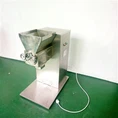
Hey there! As a packing machine supplier, I know how crucial it is to keep food packaging machines clean and hygienic. After all, the health of consumers depends on it. In this blog post, I'll share some tips on how to ensure the hygiene of a packing machine used for food packaging.
1. Regular Cleaning
The first step in maintaining a hygienic packing machine is regular cleaning. You should clean the machine after each use or at least once a day if it's used frequently. Here's a step - by - step guide on how to do it:
- Disconnect the Power: Before you start cleaning, make sure the machine is unplugged or turned off. This is a basic safety measure to prevent any electrical accidents.
- Remove Removable Parts: Most packing machines have parts that can be easily removed, such as hoppers, belts, and nozzles. Take these parts out and clean them separately. You can soak them in warm, soapy water for a while to loosen any dirt or food residue.
- Wipe Down the Machine: Use a clean, damp cloth to wipe the exterior and interior surfaces of the machine. Pay special attention to areas where food may have spilled or accumulated, like the feeding area and the sealing section. For stubborn stains, you can use a mild detergent.
- Rinse and Dry: After wiping, rinse the removable parts thoroughly with clean water and dry them completely. You can use a clean towel or let them air - dry. Make sure the machine itself is also dry before reassembling the parts and restarting it.
2. Proper Lubrication
Lubrication is important for the smooth operation of a packing machine, but it can also be a source of contamination if not done correctly. Here's what you need to do:
- Use Food - Grade Lubricants: When lubricating the machine, always use food - grade lubricants. These lubricants are specifically designed to be safe for use in food processing environments and won't contaminate the food.
- Apply the Right Amount: Don't over - lubricate the machine. Too much lubricant can attract dust and dirt, and it may also drip onto the food products. Follow the manufacturer's instructions on how much lubricant to use and where to apply it.
- Regularly Check and Replace Lubricants: Over time, lubricants can break down and become less effective. Check the lubrication levels regularly and replace the lubricant as needed.
3. Employee Training
Your employees play a vital role in maintaining the hygiene of the packing machine. Make sure they are well - trained in proper cleaning and operating procedures.
- Hygiene Training: Provide training on general hygiene practices, such as handwashing, wearing clean uniforms, and using hairnets. These simple measures can prevent the introduction of contaminants into the food packaging process.
- Machine - Specific Training: Train your employees on how to operate the packing machine correctly. This includes how to load the materials, adjust the settings, and perform basic maintenance tasks. A well - operated machine is less likely to cause food contamination.
- Cleaning Training: Teach your employees how to clean the packing machine properly. They should know which cleaning agents to use, how to disassemble and reassemble the machine, and how often to clean it.
4. Environmental Control
The environment in which the packing machine operates can also affect its hygiene. Here are some environmental factors to consider:
- Temperature and Humidity: Keep the temperature and humidity in the packing area within the recommended range. High humidity can promote the growth of mold and bacteria, while extreme temperatures can affect the performance of the machine and the quality of the food products.
- Dust and Dirt: Minimize the amount of dust and dirt in the packing area. You can use air filters, keep the floors clean, and seal any openings that may allow dust to enter.
- Pest Control: Implement a pest control program to prevent insects, rodents, and other pests from entering the packing area. Pests can carry diseases and contaminate the food products.
5. Quality Control Checks
Regular quality control checks are essential to ensure that the packing machine is operating hygienically.
- Visual Inspections: Conduct visual inspections of the machine before and after each use. Look for any signs of damage, wear, or contamination. If you notice any issues, address them immediately.
- Product Testing: Periodically test the packaged food products for contaminants. This can include microbiological testing, chemical analysis, and sensory evaluation. If any problems are detected, investigate the cause and take corrective actions.
- Machine Performance Testing: Test the performance of the packing machine regularly to ensure that it is functioning properly. This includes checking the sealing strength, filling accuracy, and labeling quality. A machine that is not performing well may be more likely to cause food contamination.
6. Use of Quality Components
Using high - quality components in your packing machine can also contribute to its hygiene.


- Food - Grade Materials: Make sure that all the parts of the machine that come into contact with the food are made of food - grade materials. These materials are resistant to corrosion, easy to clean, and safe for use with food.
- Reliable Seals and Gaskets: Seals and gaskets are important for preventing leaks and contamination. Use reliable seals and gaskets that are made of high - quality materials and are properly installed.
- Up - to - Date Technology: Consider using the latest technology in your packing machine. Newer machines often have features that make them easier to clean and more hygienic, such as self - cleaning systems and improved sealing mechanisms.
Types of Packing Machines and Hygiene
There are different types of packing machines, and each has its own unique hygiene requirements.
- Bottle Labeling Machine: For bottle labeling machines, it's important to keep the labeling area clean. Make sure that the labels are stored in a clean and dry place to prevent contamination. Also, regularly clean the labeling heads and rollers to ensure accurate labeling.
- Blister Packing Machine: Blister packing machines require special attention to the sealing area. Any food residue or dirt in this area can affect the sealing quality and lead to contamination. Clean the sealing bars regularly and check for any signs of wear.
- Labeling Machine: Labeling machines should be kept clean to ensure that the labels adhere properly. Wipe down the label applicators and conveyor belts regularly to remove any dust or debris.
Conclusion
Ensuring the hygiene of a packing machine used for food packaging is a multi - faceted process that requires regular cleaning, proper lubrication, employee training, environmental control, quality control checks, and the use of quality components. By following these tips, you can not only ensure the safety of the food products but also extend the lifespan of your packing machine.
If you're in the market for a new packing machine or need advice on maintaining the hygiene of your existing machine, don't hesitate to contact us. We're here to help you make the best choices for your food packaging needs.
References
- "Food Packaging Machinery - Hygiene Requirements" by the European Federation of Food Packaging Manufacturers
- "Good Manufacturing Practices for Food Packaging" by the Food and Drug Administration
- "Hygiene in Food Processing Equipment" by the International Association for Food Protection