


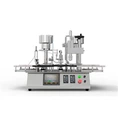
Hey there! As a supplier of ampoule sealers, I've gotten tons of questions from customers about how to adjust the sealing parameters of an ampoule sealer. It's a crucial part of the whole ampoule - filling and sealing process, so I'm gonna share some tips with you in this blog.


First off, let's understand why adjusting the sealing parameters is so important. When you're sealing ampoules, you need to make sure that the seal is air - tight. This is essential for keeping the contents of the ampoule fresh and sterile. A poor seal can lead to leakage, contamination, and ultimately, a waste of product. So, getting those parameters right is a must.
Understanding the Basics of Sealing Parameters
Before we start adjusting, we need to know what the key sealing parameters are. There are mainly three factors to consider: temperature, time, and pressure.
Temperature
The temperature at which the ampoule is sealed is super important. If it's too low, the glass won't melt properly, and the seal won't be strong. On the other hand, if it's too high, the glass might over - melt, causing the ampoule to deform or even break.
Most ampoule sealers have a temperature control panel. You can usually set the temperature according to the type of glass your ampoules are made of. For example, borosilicate glass, which is commonly used in the pharmaceutical industry, typically requires a sealing temperature in the range of 1200 - 1400 degrees Celsius. But this can vary depending on the thickness of the glass and the size of the ampoule.
Time
The sealing time refers to how long the heat is applied to the ampoule during the sealing process. If the time is too short, the glass won't have enough time to melt and form a proper seal. If it's too long, it can cause the same problems as high temperature, like deformation or breakage.
The ideal sealing time is usually determined through trial and error. You might start with a standard time recommended by the Ampoule Sealing Machine manufacturer and then make small adjustments based on the results.
Pressure
Pressure is also a key factor. The right amount of pressure helps to ensure that the melted glass bonds together tightly. If the pressure is too low, the seal might be weak. If it's too high, it can damage the ampoule.
Some ampoule sealers use mechanical pressure, while others use air pressure. You need to adjust the pressure settings according to the specifications of your machine and the type of ampoules you're using.
Step - by - Step Guide to Adjusting Sealing Parameters
Now, let's go through the steps to adjust these parameters.
Step 1: Preparation
Before you start adjusting the parameters, make sure your Ampoule Sealer is clean and in good working condition. Check all the connections and make sure there are no leaks. Also, gather a few sample ampoules that you can use for testing.
Step 2: Set Initial Parameters
Based on the type of glass and the size of your ampoules, set the initial temperature, time, and pressure values. You can refer to the machine's manual or the recommendations from the manufacturer.
Step 3: Conduct Test Runs
Start the ampoule sealer and run a few test ampoules. After sealing, carefully inspect the seals. Look for signs of weak seals, such as cracks or gaps. Also, check if the ampoules have deformed.
Step 4: Analyze the Results
If the seals are weak, you might need to increase the temperature or the sealing time. If the ampoules are deforming, you may need to lower the temperature or reduce the time. If the pressure seems to be the issue, adjust it accordingly.
Step 5: Repeat the Process
Keep repeating the test runs and adjustments until you get the perfect seal. It might take a few tries, but don't get frustrated. Once you find the right combination of parameters, note them down for future reference.
Factors Affecting Sealing Parameters
There are also some external factors that can affect the sealing parameters.
Ambient Temperature and Humidity
The temperature and humidity in the environment where the ampoule sealer is located can have an impact on the sealing process. High humidity can cause the glass to absorb moisture, which can affect the melting point and the quality of the seal. Similarly, extreme ambient temperatures can make it harder to control the sealing temperature accurately.
Glass Quality
The quality of the glass used in the ampoules can vary. Some glasses may have impurities or inconsistencies in thickness, which can require adjustments to the sealing parameters.
Using Complementary Equipment
When you're dealing with ampoules, it's not just about the sealer. You'll also need Ampoule Filler and Ampoule Filling Machine. These machines work together to ensure a smooth and efficient ampoule - filling and sealing process.
The filling process can also affect the sealing. For example, if the filling level is too high or too low, it can impact the way the glass melts during sealing. So, make sure your filling equipment is properly calibrated and working well.
Wrapping Up
Adjusting the sealing parameters of an ampoule sealer is a bit of a trial - and - error process, but with patience and careful testing, you can get it right. Remember to consider the type of glass, the size of the ampoules, and the external factors. And don't forget about the complementary equipment like the ampoule filler and the filling machine.
If you're in the market for an ampoule sealer or need more advice on adjusting the parameters, feel free to reach out. We're here to help you get the best results for your ampoule - filling and sealing needs. Whether you're in the pharmaceutical, cosmetic, or any other industry that uses ampoules, we've got the solutions for you. Contact us to start a discussion about your requirements and let's work together to find the perfect setup for your business.
References
- Manufacturer's manuals for ampoule sealers
- Industry standards for ampoule filling and sealing
- Research papers on glass melting and sealing processes