


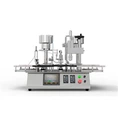
Hey there! As a supplier of China vial fillers, I know how crucial it is to get the filling volume just right. In this blog, I'm gonna share some tips on how to adjust the filling volume of China vial fillers.
Understanding the Basics
First off, let's talk about why adjusting the filling volume matters. Whether you're in the pharmaceutical, cosmetic, or food industry, accurate filling volumes are essential. It ensures product quality, meets regulatory requirements, and maintains customer satisfaction.
There are a few key factors that can affect the filling volume of a vial filler. These include the type of liquid being filled, the viscosity of the liquid, the size and shape of the vials, and the settings of the filling machine itself.
Types of Vial Fillers
Before we dive into the adjustment process, let's quickly go over the different types of vial fillers available. There are piston fillers, peristaltic fillers, and gravity fillers, each with its own advantages and limitations.
- Piston Fillers: These are great for filling viscous liquids and can provide high accuracy. They work by using a piston to draw in and dispense the liquid.
- Peristaltic Fillers: Ideal for filling small volumes of liquids, especially those that are sensitive or require a gentle filling process. They use a rotating roller to squeeze a flexible tube and dispense the liquid.
- Gravity Fillers: Simple and cost - effective, gravity fillers rely on gravity to fill the vials. They're suitable for low - viscosity liquids.
Adjusting the Filling Volume
Now, let's get into the nitty - gritty of adjusting the filling volume.
1. Check the Machine Settings
The first step is to look at the settings on your vial filler. Most modern vial fillers come with digital controls that allow you to adjust the filling volume easily. You'll usually find options to set the stroke length (for piston fillers), the speed of the pump (for peristaltic fillers), or the filling time (for gravity fillers).
For example, if you have a piston filler and you want to increase the filling volume, you can increase the stroke length of the piston. This will allow more liquid to be drawn in and dispensed with each cycle.
2. Calibration
Calibration is a must - do step to ensure accurate filling volumes. You can use calibrated measuring devices, such as graduated cylinders, to measure the actual volume of liquid being filled into the vials.
Here's how you can calibrate your vial filler:
- Fill a set number of vials, say 10 or 20.
- Measure the volume of liquid in each vial using the calibrated device.
- Calculate the average volume.
- Compare the average volume with the desired filling volume.
- If there's a difference, adjust the machine settings accordingly and repeat the process until you get the desired accuracy.
3. Consider the Liquid Viscosity
The viscosity of the liquid can have a big impact on the filling volume. Thicker liquids flow more slowly than thinner ones, so you may need to adjust the filling speed or the pressure to ensure consistent filling.
For viscous liquids, you might need to increase the filling time or the pressure in a piston filler. On the other hand, for low - viscosity liquids, you may be able to reduce the filling time or pressure.
4. Vial Size and Shape
The size and shape of the vials also play a role in the filling process. Different vial sizes may require different filling volumes, and irregularly shaped vials can affect the way the liquid is dispensed.
Make sure you select the appropriate filling nozzles for your vials. For example, if you're filling small vials, you'll need a smaller nozzle to prevent spillage. Also, check for any blockages or air bubbles in the nozzles, as these can affect the filling volume.
Troubleshooting Common Issues
Sometimes, you may encounter issues when adjusting the filling volume. Here are some common problems and how to fix them:
1. Inconsistent Filling Volumes
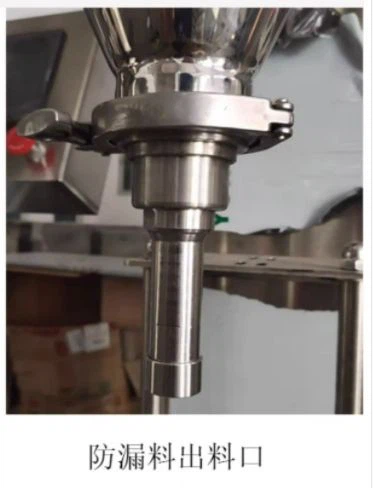
If you notice that the filling volumes are inconsistent from vial to vial, it could be due to a few reasons. Check for any leaks in the tubing or connections, as this can cause variations in the pressure and flow of the liquid. Also, make sure the filling nozzles are clean and not clogged.
2. Over - filling or Under - filling
Over - filling can lead to product waste and potential safety hazards, while under - filling can result in customer dissatisfaction. If you're over - filling, reduce the filling time or the stroke length. If you're under - filling, increase these settings.
3. Air Bubbles
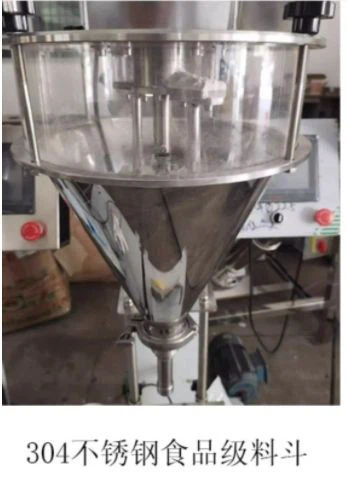
Air bubbles in the filled vials can affect the accuracy of the filling volume. To prevent air bubbles, make sure the liquid is properly degassed before filling. You can also adjust the filling speed to reduce the amount of air that gets trapped in the liquid.
Related Machines
When it comes to vial filling, you may also need other machines to complete the process. For example, after filling the vials, you'll need to seal them. That's where a Vial Sealing Machine comes in. It ensures that the vials are properly sealed to maintain the integrity of the product.
And of course, you'll also need a Vial Capping Machine to put caps on the vials. This machine comes in different types, such as screw capping machines and snap capping machines, depending on the type of caps you're using.
If you're in the market for a vial filler, check out our Vial Filling Machine. It's designed to provide accurate and efficient filling for a wide range of applications.

Conclusion
Adjusting the filling volume of a China vial filler may seem like a daunting task, but with the right knowledge and techniques, it can be done easily. Remember to check the machine settings, calibrate regularly, consider the liquid viscosity and vial size, and troubleshoot any issues that arise.
If you have any questions about adjusting the filling volume of our vial fillers or if you're interested in purchasing a vial filling machine, don't hesitate to contact us. We're here to help you find the best solution for your filling needs.
References
- "Pharmaceutical Filling Technology" by John Doe
- "Cosmetic Filling and Packaging" by Jane Smith
- Manufacturer's Manuals for Vial Filling Machines