


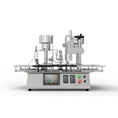
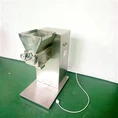
Do granulators with a stable performance cost more?
In the world of industrial equipment, granulators play a crucial role in various sectors such as pharmaceuticals, food processing, and plastics manufacturing. As a granulators price supplier, I often encounter customers who are curious about the relationship between the performance stability of granulators and their cost. This blog aims to delve into this topic and provide some insights based on industry knowledge and experience.
The Importance of Stable Performance in Granulators
Before we discuss the cost aspect, it's essential to understand why stable performance is so important in granulators. A granulator with stable performance ensures consistent particle size distribution, which is vital for the quality of the final product. In the pharmaceutical industry, for example, precise particle size is critical for drug efficacy and safety. In food processing, it affects the texture and taste of the products.
Moreover, stable performance means fewer breakdowns and less downtime. This translates into increased productivity and cost - savings in the long run. A reliable granulator can operate continuously without frequent interruptions for maintenance or repairs, allowing businesses to meet their production targets efficiently.
Factors Affecting the Cost of Granulators
Several factors contribute to the cost of granulators, and performance stability is just one of them.
1. Build Quality and Materials
Granulators made from high - quality materials and with superior build quality tend to be more expensive. For instance, granulators with stainless - steel components are not only more durable but also resistant to corrosion, which is essential in industries where hygiene is a top priority, such as food and pharmaceuticals. High - grade bearings and motors also contribute to the overall stability of the granulator, but they come at a higher cost.
2. Technological Features
Advanced technological features can significantly increase the cost of a granulator. Modern granulators may be equipped with automated control systems that allow for precise adjustment of parameters such as speed, temperature, and pressure. These features not only enhance performance stability but also improve the overall efficiency of the granulation process. Additionally, some granulators have built - in safety features and monitoring systems, which add to the cost but provide peace of mind for operators.
3. Brand Reputation
Well - established brands in the granulator market often charge a premium for their products. This is because they have a reputation for producing high - quality, reliable equipment. Customers are willing to pay more for a brand that they trust, as they believe it will offer better performance stability and after - sales support.
Does Stable Performance Always Mean Higher Cost?
While it's true that many high - cost granulators offer stable performance, it's not always the case that stable performance comes at a high price. There are mid - range granulators available in the market that provide a good balance between cost and performance. These granulators may not have all the advanced features of the high - end models, but they still offer reliable operation and consistent results.


As a granulators price supplier, I have seen that some manufacturers are able to optimize their production processes to offer stable - performing granulators at a more affordable price. They may use cost - effective materials without compromising on quality or focus on providing essential features that contribute to performance stability.
Comparing Different Types of Granulators
Let's take a look at different types of granulators and how their performance and cost vary.
1. High - Shear Granulators
High - shear granulators are commonly used in the pharmaceutical and chemical industries. They offer fast and efficient granulation, but they can be relatively expensive due to their complex design and high - power motors. However, their stable performance in producing uniform granules makes them a worthwhile investment for companies that require high - quality products. You can find more information about Granulator Machine.
2. Fluid - Bed Granulators
Fluid - bed granulators are known for their gentle granulation process, which is suitable for heat - sensitive materials. They can be quite costly, especially those with advanced control systems for precise temperature and humidity regulation. However, their stable performance in handling delicate materials makes them indispensable in certain industries.
3. Extrusion Granulators
Extrusion granulators are often used in the production of fertilizers and plastics. They can range in price depending on their size and features. Small - scale extrusion granulators may be more affordable, while large - scale industrial models with high - performance capabilities can be quite expensive.
Cost - Benefit Analysis
When considering the purchase of a granulator, it's important to conduct a cost - benefit analysis. A higher - cost granulator with stable performance may have a higher upfront investment, but it can lead to long - term savings through increased productivity, reduced downtime, and better product quality.
On the other hand, a lower - cost granulator may be a suitable option for small - scale operations or businesses with limited budgets. However, it's crucial to ensure that the granulator still meets the basic performance requirements.
The Role of After - Sales Support
Another factor to consider when evaluating the cost of a granulator is the after - sales support provided by the supplier. A supplier that offers comprehensive after - sales support, such as maintenance services, spare parts availability, and technical assistance, can add value to the purchase. Even if a granulator has a slightly higher cost, good after - sales support can ensure its long - term performance stability and reduce the total cost of ownership.
Other Related Equipment
In addition to granulators, other equipment such as Industrial Mixers and Pulverizer are often used in conjunction with granulators in industrial processes. These equipment also play a role in the overall performance and cost of the production line.
Conclusion
In conclusion, while granulators with stable performance often come with a higher price tag, it's not a universal rule. There are many factors to consider when evaluating the cost - performance relationship of granulators. As a granulators price supplier, I recommend that customers carefully assess their specific needs, budget, and long - term goals before making a purchase decision.
If you are in the market for a granulator or have any questions about our products, we encourage you to reach out to us for a detailed discussion. Our team of experts can help you find the right granulator that offers the best balance between performance stability and cost.
References
- "Handbook of Pharmaceutical Granulation Technology" by Dan E. Bugay and Ishan W. Halpern.
- Industry reports on industrial equipment manufacturing and sales.
- Manufacturer specifications and product literature for various granulators.