


Can a monoblock machine be used for continuous production? That's a question I get asked a lot as a supplier of monoblock machines. In this blog post, I'm going to dive into this topic and share my insights based on years of experience in the industry.
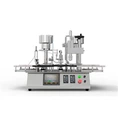
First off, let's talk about what a monoblock machine is. A monoblock machine, also known as a Monoblock Filler, is a piece of equipment that combines multiple functions into one compact unit. It can handle tasks like washing, filling, and capping all in one go. This integration makes it a popular choice for many manufacturing processes, especially in the pharmaceutical, food and beverage, and cosmetic industries.
Now, to answer the big question: yes, a monoblock machine can definitely be used for continuous production. Here's why.
High - Speed Operation
One of the key features of a monoblock machine is its ability to operate at high speeds. These machines are designed with advanced technology and precision engineering to ensure a smooth and rapid production process. For example, in the case of an Eye Drop Filling Machine, which is a type of monoblock machine, it can fill hundreds or even thousands of vials per hour. This high - speed operation allows for continuous production without significant breaks, as long as the raw materials and components are available.
Automated Processes
Monoblock machines are highly automated. Once you set up the machine with the right parameters for your product, it can run on its own for extended periods. The automation reduces the need for constant human intervention, which means that production can continue without being interrupted by human errors or fatigue. For instance, the filling and capping processes are precisely controlled by sensors and programmable logic controllers (PLCs). These systems ensure that each container is filled to the correct volume and capped securely, every single time.
Reliability and Durability
As a supplier, I've seen firsthand the reliability of monoblock machines. They are built with high - quality materials and undergo rigorous testing before they leave the factory. This means that they can withstand the demands of continuous production. The components are designed to be long - lasting, and regular maintenance can further extend their lifespan. With proper care, a monoblock machine can run for years without major breakdowns, providing a stable and continuous production environment.
Flexibility
Another advantage of monoblock machines is their flexibility. They can be easily adjusted to accommodate different types of products, container sizes, and production volumes. For example, if you want to switch from producing small vials of eye drops to larger bottles of liquid medicine, you can reconfigure the machine settings. This flexibility makes it possible to use the same machine for continuous production of different products, which is a huge benefit for manufacturers who need to diversify their product lines.
However, there are also some factors that you need to consider to ensure successful continuous production with a monoblock machine.


Raw Material Supply
Continuous production requires a steady supply of raw materials. Whether it's the liquid product to be filled, the containers, or the caps, any interruption in the supply chain can halt production. As a supplier, I always recommend that my customers work closely with their suppliers to ensure a reliable and consistent supply of all the necessary materials.
Maintenance and Servicing
Although monoblock machines are reliable, they still need regular maintenance. This includes cleaning, lubrication, and inspection of components. A well - maintained machine is less likely to break down, which is crucial for continuous production. I usually provide my customers with a maintenance schedule and offer training on how to perform basic maintenance tasks. For more complex issues, our technical support team is always ready to assist.
Operator Training
Even though the machines are automated, having well - trained operators is essential. Operators need to understand how to set up the machine, monitor its performance, and troubleshoot minor issues. I offer comprehensive training programs for my customers' operators to ensure that they can make the most of the monoblock machine and keep the production running smoothly.
In conclusion, a monoblock machine is a great option for continuous production. Its high - speed operation, automated processes, reliability, and flexibility make it suitable for a wide range of industries. However, to fully realize its potential, you need to pay attention to raw material supply, maintenance, and operator training.
If you're interested in using a monoblock machine for your continuous production needs, I'd love to have a chat with you. I can provide you with more detailed information about our Monoblock Machine models, their features, and how they can be customized to fit your specific requirements. Don't hesitate to reach out and start a conversation about how we can work together to improve your production process.
References
- Industry reports on monoblock machines from leading market research firms.
- Technical manuals and specifications provided by monoblock machine manufacturers.
- Case studies of successful continuous production using monoblock machines in various industries.