


Can a mixing machine be used for mixing viscous materials? That's a question I get asked a lot as a mixing machine supplier. And the answer is a bit more complicated than a simple yes or no.
First off, let's talk about what we mean by "viscous materials." Viscosity is basically a measure of a fluid's resistance to flow. Think of honey or molasses - they're thick and sticky, and they don't pour easily. That's high viscosity. On the other hand, water has low viscosity because it flows freely.

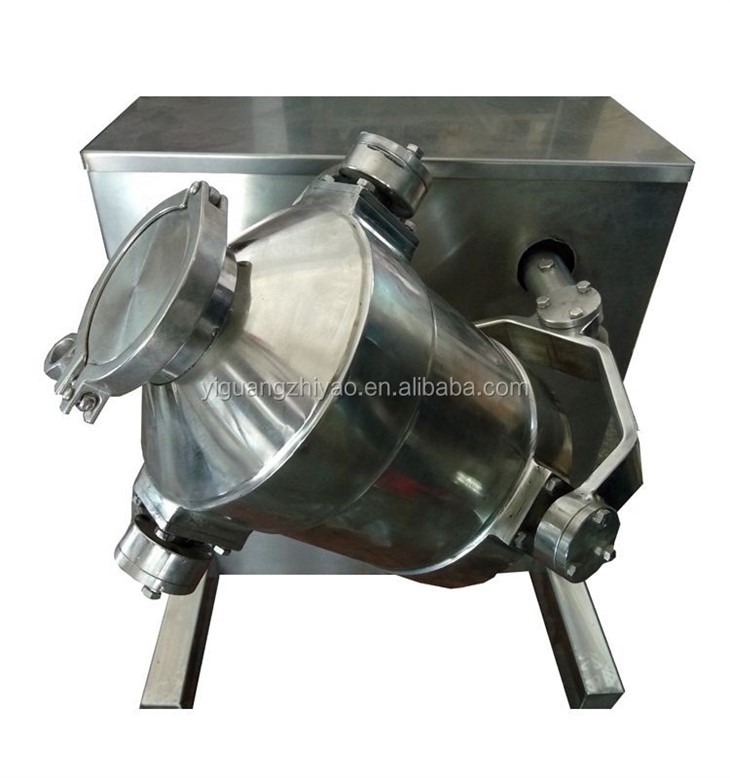
Now, not all mixing machines are created equal when it comes to handling viscous materials. Some mixing machines are designed specifically for low - viscosity fluids, like water - based solutions or thin emulsions. These machines usually have simple impellers or agitators that spin at relatively high speeds to create a turbulent flow and mix the materials. But when you try to use these machines for viscous materials, they often struggle.
The high - speed impellers may not be able to generate enough force to move the thick material around effectively. The viscous material might just stick to the sides of the mixing tank or form large clumps that don't break up easily. In some cases, the motor of the mixing machine might even overheat because it's working too hard to turn the impeller through the thick substance.
However, there are mixing machines that are built to handle viscous materials. These machines typically have more powerful motors and specialized agitator designs. For example, some use helical or anchor - shaped agitators. A helical agitator can work its way through the thick material, pulling it down from the top and pushing it up from the bottom, creating a more thorough mixing action. An anchor agitator, on the other hand, scrapes the sides of the mixing tank as it rotates, preventing the viscous material from sticking and ensuring that all parts of the material are mixed.
Another important factor is the mixing speed. For viscous materials, a slower mixing speed is often better. This allows the agitator to have more time to work through the thick substance without causing excessive stress on the machine. Some advanced mixing machines even have variable speed controls, so you can adjust the speed according to the viscosity of the material you're mixing.
Let's also talk about the size and shape of the mixing tank. A deeper and narrower tank can sometimes be better for mixing viscous materials. It allows the agitator to have more control over the material and can help prevent the formation of dead zones where the material doesn't get mixed properly.
Now, I know what you're thinking - "Okay, but how do I know if a particular mixing machine can handle my viscous material?" Well, that's where we come in. As a mixing machine supplier, we have a wide range of mixing equipment to choose from. Our team of experts can help you determine the right machine for your specific needs. We can take into account factors like the viscosity of your material, the volume you need to mix, and your production requirements.
If you're in the market for a mixing machine for viscous materials, you might also be interested in some related equipment. For example, Granulator Machine can be useful if you need to turn your mixed viscous material into granules. Granulators work by breaking up the material into small, uniform particles. And if you're looking for a more comprehensive solution, our Mixing Equipment page has a variety of options to suit different applications. You can also check out our Granulators for more details on these machines.
We understand that investing in a mixing machine is a big decision. That's why we offer product demonstrations and consultations. You can see the machines in action and get a better idea of how they'll work for your viscous materials. Our goal is to make sure you get the best - suited equipment that will give you reliable and efficient mixing results.
If you're still not sure if a mixing machine can handle your viscous materials, don't hesitate to reach out. We're here to answer all your questions and guide you through the selection process. Whether you're in the food industry, pharmaceuticals, or any other sector that deals with viscous substances, we have the expertise and the products to meet your needs.
In conclusion, yes, a mixing machine can be used for mixing viscous materials, but it depends on the right machine being chosen. With the proper equipment and a bit of expert advice, you can achieve excellent mixing results for even the thickest of substances. So, if you're ready to take the next step in finding the perfect mixing solution for your viscous materials, let's start the conversation.
References
- "Mixing Technology for Viscous Fluids" by Chemical Engineering Magazine
- "Handbook of Industrial Mixing: Science and Practice" by Paul, Atiemo - Obeng, and Kresta