


As a supplier of filling machines, I often encounter questions from customers regarding the versatility of our equipment, especially when it comes to aseptic filling. Aseptic filling is a critical process in many industries, particularly in the food and beverage, pharmaceutical, and cosmetic sectors, where maintaining product sterility is of utmost importance. In this blog post, I will explore whether a standard filling machine can be used for aseptic filling, the differences between regular and aseptic filling, and the modifications and considerations required for aseptic applications.
Understanding Aseptic Filling
Aseptic filling is a process that involves filling a product into a container under sterile conditions to prevent the growth of microorganisms and extend the shelf life of the product. This process requires strict control of the environment, the product, and the packaging materials to ensure that the final product remains free from contamination. Aseptic filling is commonly used for products such as dairy products, fruit juices, pharmaceuticals, and cosmetics, where maintaining product quality and safety is crucial.
Regular Filling vs. Aseptic Filling
Regular filling machines are designed to fill products into containers under normal conditions, without the need for strict sterility control. These machines are suitable for products that have a relatively long shelf life or that do not require a high level of sterility. Regular filling machines can handle a wide range of products, including liquids, pastes, and powders, and can be used for various packaging formats, such as bottles, cans, and pouches.
On the other hand, aseptic filling machines are specifically designed to operate under sterile conditions. These machines are equipped with advanced sterilization systems, such as steam sterilization, hydrogen peroxide sterilization, or UV sterilization, to ensure that the product, the packaging materials, and the filling environment are free from microorganisms. Aseptic filling machines also require a controlled environment, such as a cleanroom, to prevent contamination during the filling process.
Can a Standard Filling Machine Be Used for Aseptic Filling?
The short answer is no. A standard filling machine is not designed to meet the strict requirements of aseptic filling. Regular filling machines do not have the necessary sterilization systems or the ability to maintain a sterile environment, which means that they cannot prevent the growth of microorganisms in the product or the packaging materials. Using a standard filling machine for aseptic filling can result in product contamination, spoilage, and potential health risks for consumers.
However, some filling machines can be modified to perform aseptic filling. These modifications typically involve adding sterilization systems, such as steam or hydrogen peroxide sterilization, to the filling machine and creating a controlled environment around the filling area. Additionally, the filling machine may need to be made of materials that are resistant to corrosion and easy to clean to prevent the buildup of microorganisms.
Modifications and Considerations for Aseptic Filling
If you are considering using a filling machine for aseptic filling, there are several modifications and considerations that you need to take into account:
Sterilization Systems
As mentioned earlier, aseptic filling requires the use of advanced sterilization systems to ensure that the product, the packaging materials, and the filling environment are free from microorganisms. Some common sterilization systems used in aseptic filling include steam sterilization, hydrogen peroxide sterilization, and UV sterilization. The choice of sterilization system will depend on the type of product, the packaging materials, and the production volume.
Controlled Environment
Aseptic filling requires a controlled environment to prevent contamination during the filling process. This typically involves creating a cleanroom around the filling area, which is designed to maintain a low level of airborne particles and microorganisms. The cleanroom should be equipped with air filtration systems, such as HEPA filters, to remove particles from the air and prevent them from entering the filling area.
Packaging Materials
The choice of packaging materials is also critical in aseptic filling. The packaging materials should be able to withstand the sterilization process without losing their integrity or functionality. Additionally, the packaging materials should be able to provide a barrier against microorganisms and oxygen to prevent product spoilage. Some common packaging materials used in aseptic filling include plastic bottles, glass bottles, and flexible pouches.
Product Compatibility
Before using a filling machine for aseptic filling, it is important to ensure that the machine is compatible with the product. Some products may require special handling or processing to maintain their sterility, such as the use of preservatives or the addition of antioxidants. Additionally, some products may be sensitive to heat or other sterilization methods, which means that the sterilization process may need to be adjusted accordingly.
Our Filling Machines for Aseptic Applications
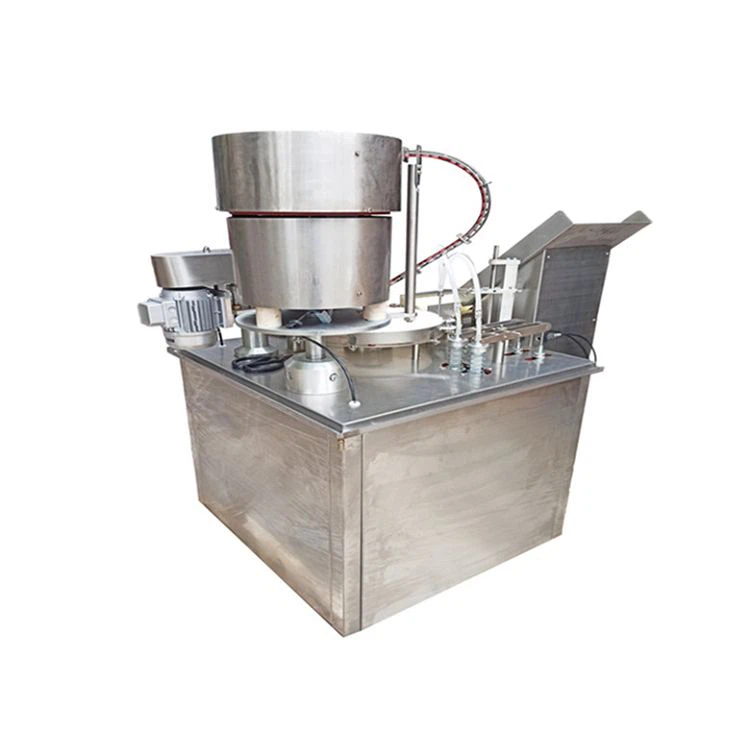
At our company, we offer a range of filling machines that can be modified for aseptic filling applications. Our Liquid Filling Machine is designed to handle a wide range of liquid products, including water, juice, milk, and oil. The machine can be equipped with a steam sterilization system to ensure that the product and the packaging materials are free from microorganisms. Additionally, the machine can be installed in a cleanroom environment to prevent contamination during the filling process.
Our Liquid Filling Machine is also suitable for aseptic filling applications. The machine is designed to handle high-viscosity liquids, such as creams, lotions, and sauces. The machine can be equipped with a hydrogen peroxide sterilization system to ensure that the product and the packaging materials are free from microorganisms. Additionally, the machine can be customized to meet the specific requirements of your production line.

Our Bottle Filling Machine is another option for aseptic filling applications. The machine is designed to fill bottles of various sizes and shapes, including plastic bottles, glass bottles, and metal cans. The machine can be equipped with a UV sterilization system to ensure that the product and the packaging materials are free from microorganisms. Additionally, the machine can be integrated with other equipment, such as capping machines and labeling machines, to create a complete packaging line.
Conclusion
In conclusion, while a standard filling machine cannot be used for aseptic filling, some filling machines can be modified to perform aseptic filling. However, these modifications require careful consideration and planning to ensure that the machine meets the strict requirements of aseptic filling. At our company, we have the expertise and experience to modify our filling machines for aseptic applications and to provide you with a customized solution that meets your specific needs.
If you are interested in learning more about our filling machines for aseptic applications or if you have any questions about aseptic filling, please do not hesitate to contact us. We would be happy to discuss your requirements and to provide you with a free consultation.
References
- "Aseptic Filling Technology: Principles and Applications" by John Smith
- "Food and Beverage Packaging: Aseptic Filling" by Jane Doe
- "Pharmaceutical Packaging: Aseptic Filling and Sterilization" by Robert Johnson