


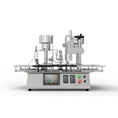
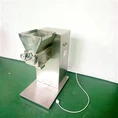
As a seasoned supplier of filling machines, I've witnessed firsthand the transformative power of integrating these machines into production lines. In this blog post, I'll delve into the feasibility, benefits, and considerations of integrating a filling machine into a production line, drawing on my years of experience in the industry.
Feasibility of Integration
The short answer is yes, a filling machine can indeed be integrated into a production line. Modern filling machines are designed with flexibility and compatibility in mind, allowing them to seamlessly fit into existing production setups. Whether you're dealing with liquid, powder, or granular products, there's a filling machine out there that can be tailored to your specific needs.
One of the key factors that make integration possible is the standardization of interfaces and communication protocols. Most filling machines are equipped with programmable logic controllers (PLCs) that can be easily connected to other equipment in the production line. This enables real-time data exchange and synchronization, ensuring smooth operation and efficient production.

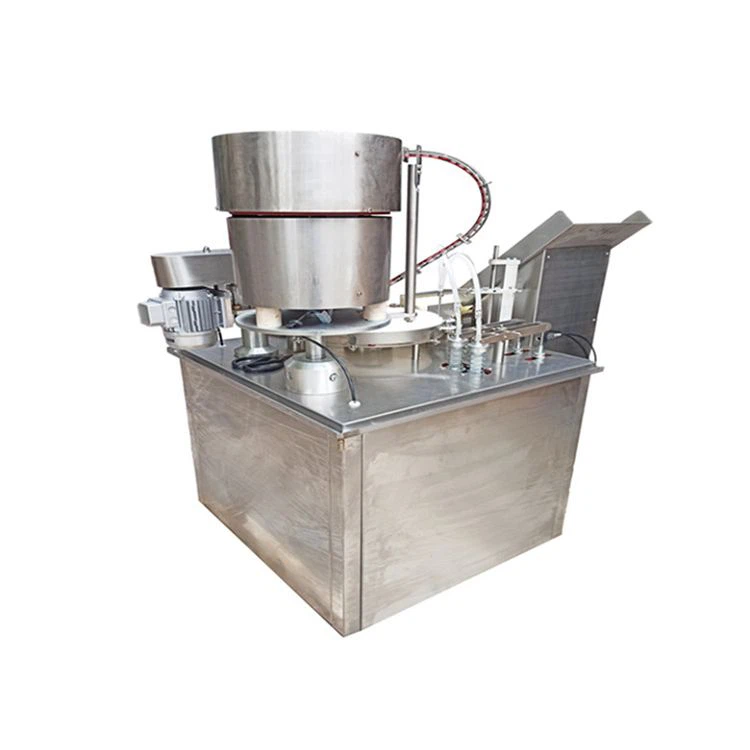
Another important consideration is the physical layout of the production line. Filling machines come in various sizes and configurations, allowing them to be installed in different spaces. Whether you have a compact production facility or a large-scale manufacturing plant, there's a filling machine that can be integrated without causing major disruptions to your existing setup.
Benefits of Integration
Integrating a filling machine into a production line offers numerous benefits for manufacturers. Here are some of the key advantages:
Increased Efficiency
By automating the filling process, a filling machine can significantly increase production efficiency. These machines are capable of filling containers at a much faster rate than manual labor, reducing the time and effort required to complete the filling process. This not only increases productivity but also allows manufacturers to meet higher demand and improve their bottom line.
Improved Accuracy
Filling machines are designed to dispense precise amounts of product into each container, ensuring consistent quality and reducing waste. This is particularly important for industries where product accuracy is critical, such as the pharmaceutical and food and beverage industries. By eliminating human error, filling machines can help manufacturers maintain high standards of quality control and reduce the risk of product recalls.
Enhanced Safety
Manual filling processes can be hazardous, especially when dealing with toxic or flammable substances. By integrating a filling machine into the production line, manufacturers can minimize the risk of accidents and injuries to their workers. Filling machines are equipped with safety features such as sensors and interlocks to prevent spills, leaks, and other potential hazards.
Cost Savings
While the initial investment in a filling machine may seem significant, the long-term cost savings can be substantial. By increasing efficiency, improving accuracy, and reducing waste, filling machines can help manufacturers lower their production costs and improve their profitability. Additionally, by automating the filling process, manufacturers can reduce their labor costs and free up their workers to focus on other tasks.
Considerations for Integration
While integrating a filling machine into a production line offers numerous benefits, there are also some considerations that manufacturers need to keep in mind. Here are some of the key factors to consider:
Compatibility
Before integrating a filling machine into the production line, it's important to ensure that it's compatible with your existing equipment and processes. This includes considering factors such as the type of product you're filling, the size and shape of your containers, and the speed and capacity of your production line. Working with a reputable filling machine supplier can help you select the right machine for your specific needs and ensure a seamless integration.
Maintenance and Support
Like any other piece of equipment, filling machines require regular maintenance and support to ensure optimal performance. Before purchasing a filling machine, it's important to consider the availability of maintenance and support services from the supplier. This includes factors such as the supplier's technical expertise, response time, and availability of spare parts.
Training
Integrating a filling machine into the production line requires proper training for your workers. This includes training on how to operate the machine, how to perform basic maintenance tasks, and how to troubleshoot common problems. Working with a supplier that offers comprehensive training programs can help ensure that your workers are properly trained and able to operate the filling machine safely and efficiently.
Regulatory Compliance
Depending on the industry you're in, there may be specific regulations and standards that you need to comply with when using a filling machine. This includes regulations related to product safety, quality control, and environmental protection. Before integrating a filling machine into the production line, it's important to ensure that it meets all relevant regulatory requirements and that you have the necessary documentation and certifications.
Types of Filling Machines
There are several types of filling machines available on the market, each designed to meet different filling requirements. Here are some of the most common types of filling machines:
Liquid Filling Machine
Liquid filling machines are used to fill containers with liquid products such as water, juice, oil, and chemicals. These machines come in various types, including gravity filling machines, piston filling machines, and pump filling machines. Each type of liquid filling machine has its own advantages and disadvantages, depending on the specific application.
Bottle Filling Machine
Bottle filling machines are designed to fill bottles with liquid or semi-liquid products. These machines can be used for a variety of applications, including filling water bottles, soda bottles, and shampoo bottles. Bottle filling machines come in different sizes and configurations, allowing them to be customized to meet the specific needs of the manufacturer.
Powder Filling Machine
Powder filling machines are used to fill containers with powder products such as flour, sugar, and spices. These machines come in various types, including auger filling machines, volumetric filling machines, and net weight filling machines. Each type of powder filling machine has its own advantages and disadvantages, depending on the specific application.
Granular Filling Machine
Granular filling machines are designed to fill containers with granular products such as rice, beans, and nuts. These machines can be used for a variety of applications, including filling bags, boxes, and jars. Granular filling machines come in different sizes and configurations, allowing them to be customized to meet the specific needs of the manufacturer.
Conclusion
In conclusion, integrating a filling machine into a production line is a feasible and beneficial solution for manufacturers looking to increase efficiency, improve accuracy, enhance safety, and reduce costs. By working with a reputable filling machine supplier, manufacturers can select the right machine for their specific needs and ensure a seamless integration into their existing production setup.
If you're interested in learning more about how a filling machine can benefit your production line, or if you have any questions about our Liquid Filling Machine products, please don't hesitate to contact us. Our team of experts is here to help you find the right solution for your business and guide you through the integration process.
References
- Smith, J. (2020). The Benefits of Automating the Filling Process. Manufacturing Today.
- Johnson, A. (2019). Choosing the Right Filling Machine for Your Production Line. Food and Beverage Industry Journal.
- Brown, K. (2018). Integrating Filling Machines into Existing Production Lines. Pharmaceutical Manufacturing Magazine.