


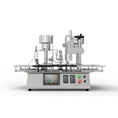
Hey there! As a supplier of capping machines, I often get asked about the environmental requirements for using these machines. In this blog, I'll share some insights on this topic, which should be useful if you're considering getting a Capping Machine.
Why Environmental Requirements Matter
First off, why do we even need to talk about environmental requirements for capping machines? Well, it's not just about being green for the sake of it. There are practical reasons too. For one, following environmental standards can help you avoid legal issues. Governments around the world are tightening regulations on industrial equipment to protect the environment. If you don't comply, you could face fines or even have to shut down your operations.
Secondly, it can save you money in the long run. Energy-efficient machines use less power, which means lower electricity bills. And if you're using materials that are recyclable or reusable, you can reduce your waste disposal costs.
Temperature and Humidity
Let's start with the basics: temperature and humidity. Most capping machines are designed to work within a specific temperature range. Usually, it's between 10°C and 35°C (50°F - 95°F). If the temperature is too low, the machine's components might not function properly. For example, the lubricants could thicken, causing more friction and wear on the moving parts. On the other hand, if it's too hot, the electronic components could overheat and malfunction.
Humidity is also crucial. High humidity can lead to corrosion of the machine's metal parts. This not only shortens the lifespan of the machine but can also affect the quality of the capping process. Moisture can cause the caps to stick or not seal properly. A relative humidity level between 30% and 70% is generally recommended for optimal performance of a Vial Capping Machine.
Ventilation
Good ventilation is a must when using a capping machine. During the capping process, some machines may generate fumes, especially if they're using adhesives or solvents. These fumes can be harmful to your health if inhaled in large quantities. Ventilation helps to remove these fumes from the working area, keeping the air clean and safe.
Moreover, ventilation also helps to regulate the temperature and humidity inside the workspace. It prevents the buildup of heat and moisture, which can be detrimental to the machine and the capping process. Make sure your workspace has proper exhaust systems or open windows to ensure adequate ventilation.
Noise Pollution
Capping machines can be noisy, especially the larger industrial ones. Excessive noise can be a nuisance to your workers and may even cause hearing problems over time. To comply with environmental noise regulations, you need to take steps to reduce the noise level.
One way is to choose a capping machine that is designed to be quiet. Some manufacturers use advanced technology to minimize the noise generated during operation. You can also install noise-absorbing materials around the machine or in the workspace. This can significantly reduce the noise level and create a more comfortable working environment.
Power Consumption
As I mentioned earlier, energy efficiency is important. A capping machine that consumes a lot of power not only costs you more in electricity bills but also has a greater environmental impact. Look for machines that are energy-efficient. They often come with features like automatic shut-off when not in use, variable speed drives, and energy-saving motors.

For example, some Vial Sealing Machine models are designed to use less power while still maintaining high performance. By choosing an energy-efficient machine, you can do your part for the environment and save some money at the same time.
Waste Management
The capping process can generate waste, such as excess caps, packaging materials, and used lubricants. Proper waste management is essential to meet environmental requirements. You should separate the waste into different categories, such as recyclable and non-recyclable.
Recyclable materials, like plastic caps and cardboard packaging, can be sent for recycling. This reduces the amount of waste going to landfills and conserves natural resources. Non-recyclable waste, such as used lubricants, should be disposed of properly according to local regulations. Some lubricants can be recycled or reused, so it's worth looking into these options.
Chemical Usage
If your capping machine uses chemicals, such as adhesives or solvents, you need to handle them carefully. These chemicals can be hazardous to the environment and human health if not used and disposed of properly.

Make sure you store the chemicals in a safe place, away from heat and direct sunlight. Follow the manufacturer's instructions for using the chemicals, and use the appropriate protective equipment, such as gloves and goggles. When it comes to disposal, don't just pour the chemicals down the drain. Instead, find a licensed waste disposal company to handle them.
Air Quality
In addition to removing fumes, you also need to consider the overall air quality in the workspace. Dust and debris can accumulate around the capping machine, which can affect the quality of the capping process and the health of your workers.
Regular cleaning of the machine and the workspace is essential. Use a vacuum cleaner or a compressed air gun to remove dust from the machine's components. You can also install air filters in the workspace to improve the air quality.
Maintenance and Calibration
Proper maintenance and calibration of your capping machine are also important for meeting environmental requirements. A well-maintained machine is more energy-efficient and less likely to break down, which reduces waste and downtime.
Follow the manufacturer's maintenance schedule and perform regular inspections. Check for any leaks, loose parts, or signs of wear and tear. Calibrate the machine regularly to ensure accurate capping. This not only improves the quality of the capping but also reduces the amount of waste caused by improper capping.
Conclusion
In conclusion, there are indeed several environmental requirements for using a capping machine. From temperature and humidity control to waste management and chemical usage, every aspect needs to be considered. By following these requirements, you can ensure the proper functioning of your machine, protect the environment, and avoid legal issues.
If you're in the market for a capping machine and want to learn more about how our products meet these environmental requirements, don't hesitate to get in touch. We're here to help you make the right choice for your business. Contact us to start a discussion about your capping needs and how we can provide the best solution for you.
References
- Industry standards and guidelines for capping machines
- Local environmental regulations regarding industrial equipment
- Manufacturer's manuals and specifications for capping machines