


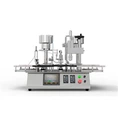
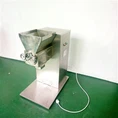
When dealing with explosive materials, the use of a mixing machine demands the highest level of safety precautions. As a reputable mixing machine supplier, we understand the critical nature of this process and are committed to ensuring that our clients are well - informed about the necessary safety measures.
1. Pre - operation Safety Checks
Before starting the mixing process, a series of pre - operation safety checks must be carried out. First and foremost, the mixing machine should be inspected for any signs of damage or wear. This includes checking the mechanical components such as the blades, shafts, and bearings. Any damaged parts should be replaced immediately to prevent malfunctions during operation. For instance, a worn - out blade might not mix the explosive materials evenly, leading to an unstable mixture.
The electrical system of the mixing machine also requires thorough inspection. Loose wires, frayed cables, or faulty switches can pose a significant fire or explosion hazard. All electrical connections should be secure, and the grounding system should be in proper working condition. A well - grounded machine helps to prevent the build - up of static electricity, which is a major concern when dealing with explosive materials.
Another important pre - operation check is the calibration of the machine. The mixing machine should be calibrated to ensure that it is operating at the correct speed, temperature, and pressure. Incorrect calibration can result in an improper mixture, which may increase the risk of explosion. This calibration should be performed regularly, and records should be kept for future reference.
2. Personnel Training
Proper training of personnel is essential when using a mixing machine for explosive materials. All operators should be trained on the specific safety procedures related to the mixing machine they are using. This includes training on how to start and stop the machine safely, how to load and unload the explosive materials, and how to respond to emergency situations.
Operators should also be educated about the properties of the explosive materials they are handling. Different explosive materials have different characteristics, such as sensitivity to heat, friction, and shock. Understanding these properties is crucial for safe handling. For example, some explosives are more sensitive to friction, so extra care should be taken when loading and unloading them to avoid any unnecessary rubbing or scraping.
In addition to technical training, personnel should also receive training on personal protective equipment (PPE). PPE such as safety goggles, gloves, and flame - resistant clothing should be worn at all times during the operation of the mixing machine. Safety goggles protect the eyes from flying particles, while gloves prevent direct contact with the explosive materials. Flame - resistant clothing reduces the risk of burns in case of an explosion.
3. Environmental Safety
The environment in which the mixing machine is located is also a critical factor in ensuring safety. The mixing area should be well - ventilated to prevent the accumulation of explosive vapors. Adequate ventilation helps to remove any potentially hazardous fumes and reduces the risk of explosion. The ventilation system should be regularly maintained to ensure its effectiveness.
The mixing area should also be free from any sources of ignition. This includes open flames, electrical sparks, and hot surfaces. All electrical equipment in the area should be explosion - proof to prevent the ignition of explosive vapors. Additionally, the area should be kept clean and free from clutter to prevent any accidental spills or tripping hazards.
Temperature and humidity control are also important environmental factors. Extreme temperatures can affect the stability of explosive materials. High temperatures can cause the materials to decompose, while low temperatures can make them more brittle and prone to shock. Humidity levels should also be monitored and controlled, as excessive moisture can affect the properties of the explosive materials.
4. Material Handling
Proper material handling is crucial when using a mixing machine for explosive materials. The explosive materials should be stored in a safe and secure location before and after mixing. The storage area should be designed to prevent unauthorized access and should be equipped with appropriate fire - prevention and explosion - protection measures.
When loading the explosive materials into the mixing machine, it is important to follow the correct procedures. The materials should be loaded slowly and carefully to avoid any splashing or spilling. Overloading the machine can also increase the risk of explosion, so the maximum capacity of the machine should never be exceeded.
After mixing, the finished product should be unloaded carefully and transferred to a suitable storage container. Any residual materials in the mixing machine should be cleaned thoroughly to prevent the build - up of explosive residues. Cleaning should be done using non - sparking tools to avoid any ignition sources.
5. Maintenance and Inspection
Regular maintenance and inspection of the mixing machine are necessary to ensure its safe operation. The machine should be inspected for any signs of wear and tear on a daily basis. This includes checking the lubrication of moving parts, the tightness of bolts and nuts, and the condition of the seals.
Periodic maintenance should also be carried out, such as replacing worn - out parts and performing deep - cleaning of the machine. This maintenance should be carried out by qualified technicians who are familiar with the specific requirements of mixing machines for explosive materials.
In addition to regular maintenance, the mixing machine should also undergo periodic safety inspections. These inspections should be carried out by independent third - party organizations to ensure that the machine meets all the relevant safety standards. Any deficiencies found during these inspections should be corrected immediately.
6. Emergency Preparedness
Despite all the safety measures in place, emergencies can still occur. Therefore, it is important to have an emergency preparedness plan in place. This plan should include procedures for dealing with fires, explosions, and other emergencies.
The emergency plan should specify the location of emergency exits, fire extinguishers, and first - aid kits. All personnel should be familiar with the emergency plan and should know how to use the emergency equipment. Regular emergency drills should be conducted to ensure that all personnel can respond quickly and effectively in case of an emergency.


In case of an explosion or fire, the mixing machine should be shut down immediately, and all personnel should evacuate the area safely. The emergency response team should then be notified, and they should take appropriate measures to control the situation and prevent further damage.
Conclusion
As a mixing machine supplier, we recognize that safety is of utmost importance when using a mixing machine for explosive materials. By following the safety measures outlined above, including pre - operation safety checks, personnel training, environmental safety, proper material handling, regular maintenance and inspections, and emergency preparedness, the risk of accidents can be significantly reduced.
If you are in the market for a mixing machine for explosive materials, we offer a wide range of high - quality Mixing Equipment that meets all the necessary safety standards. Our Industrial Mixers are designed with the latest safety features to ensure the safe handling of explosive materials. We also provide Granulator Machine for processing explosive materials.
We encourage you to contact us for more information and to discuss your specific requirements. Our team of experts is ready to assist you in finding the right mixing machine for your needs and to provide you with all the necessary support to ensure safe operation.
References
- "Safety Guidelines for Handling Explosive Materials", International Safety Council
- "Mixing Machine Operation and Maintenance Manual", Manufacturer's Guide
- "Personal Protective Equipment for Explosive Material Handling", Occupational Safety and Health Administration (OSHA)