


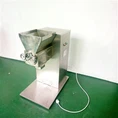
Hey there! As a supplier of monoblock machines, I often get asked about the throughput of these nifty pieces of equipment. So, let's dive right in and break down what the throughput of a monoblock machine actually means and what factors can influence it.
First off, what's a monoblock machine? In simple terms, a monoblock machine combines multiple functions into one compact unit. You can think of it as an all - in - one solution for tasks like filling, capping, and labeling. For more details on different types of monoblock machines, check out Monoblock Machine.
What is Throughput?
Throughput, in the context of a monoblock machine, refers to the number of products that the machine can process within a given period. Usually, it's measured in units per hour. For example, if a monoblock machine can fill, cap, and label 500 bottles in an hour, then its throughput is 500 bottles per hour.
The throughput is a crucial metric. It directly impacts your production capacity and, ultimately, your bottom line. A higher throughput means you can produce more products in less time, which can lead to increased revenue and a more competitive edge in the market.
Factors Affecting Throughput
1. Machine Design and Configuration
The design of the monoblock machine plays a huge role in determining its throughput. Machines with advanced technology and well - thought - out configurations tend to have higher throughputs. For instance, some monoblock machines are designed with multiple filling heads. A machine with four filling heads can fill four containers simultaneously, which is much faster than a single - head machine.
Also, the layout of the machine matters. If the components are arranged in a way that minimizes the distance the products need to travel between different processes (filling, capping, etc.), it can significantly increase the throughput. You can explore different designs of Monoblock Filler to see how design impacts performance.
2. Product Characteristics
The nature of the product being processed can also affect the throughput. Viscous products, like honey or toothpaste, take longer to fill compared to thin liquids such as water or juice. The machine may need to adjust the filling speed to ensure accurate filling, which can slow down the overall throughput.
Similarly, the shape and size of the containers matter. Irregularly shaped containers may require more time for handling and positioning, reducing the number of products that can be processed per hour. For specific applications like filling eye drops, you can look at Eye Drop Filling Machine to understand how product characteristics are factored in.
3. Operator Skill and Training
Believe it or not, the operator of the monoblock machine can have a big impact on throughput. A well - trained operator knows how to set up the machine correctly, troubleshoot minor issues quickly, and keep the production line running smoothly. On the other hand, an inexperienced operator may make mistakes, cause downtime, and lower the overall throughput.
4. Maintenance and Upkeep
Regular maintenance is essential for keeping the monoblock machine running at its best. A machine that is not properly maintained may experience breakdowns, malfunctions, or reduced performance. For example, if the filling nozzles are clogged, it can affect the filling accuracy and speed, thus decreasing the throughput.
Measuring and Improving Throughput
Measuring Throughput
To measure the throughput of a monoblock machine, you simply count the number of products processed over a specific period. You can do this manually by counting the products at the end of the production line or use automated sensors and monitoring systems.
It's a good idea to measure the throughput regularly, especially after making any changes to the machine, product, or production process. This way, you can track the performance and identify any trends or issues.
Improving Throughput
There are several ways to improve the throughput of a monoblock machine. One option is to upgrade the machine with the latest technology. For example, you can install faster - acting valves or more efficient motors to speed up the filling and capping processes.
Another approach is to optimize the production process. This could involve streamlining the workflow, reducing the time between different operations, and improving the coordination between the machine and the operators.
You can also invest in operator training. By providing comprehensive training programs, you can ensure that your operators are skilled and confident in operating the machine, which can lead to increased throughput.
Real - World Examples
Let's take a look at a couple of real - world examples to better understand throughput. A small - scale cosmetic company uses a monoblock machine to fill and cap their perfume bottles. Initially, the machine had a throughput of 200 bottles per hour. After upgrading the machine with a new filling system and providing additional training to the operators, they were able to increase the throughput to 350 bottles per hour. This allowed them to meet the growing demand for their products and expand their business.
On the other hand, a food processing company was experiencing low throughput with their monoblock machine due to the high viscosity of their sauce products. They worked with the machine supplier to modify the filling system and adjust the processing parameters. As a result, they were able to increase the throughput from 150 containers per hour to 250 containers per hour.
Conclusion
So, there you have it! The throughput of a monoblock machine is a key factor in determining the efficiency and productivity of your production line. By understanding the factors that affect throughput and taking steps to measure and improve it, you can make the most of your monoblock machine.
If you're in the market for a monoblock machine or looking to upgrade your existing one, I'd love to have a chat with you. We can discuss your specific needs, production requirements, and find the best solution for you. Whether you're filling eye drops, perfumes, or food products, we've got the expertise and the machines to help you achieve your production goals.


References
- Industry reports on packaging machinery performance
- Manufacturer's manuals and technical specifications for monoblock machines
- Case studies from companies using monoblock machines in different industries