


Hey there! As a supplier of monoblock fillers, I often get asked about the price range of these machines. It's a pretty common question, and for good reason. After all, if you're in the market for a monoblock filler, you want to know how much it's going to cost you. So, in this blog post, I'm going to break down the factors that influence the price of a monoblock filler and give you a general idea of what you can expect to pay.
First things first, let's talk about what a monoblock filler is. A Monoblock Filler is a type of packaging machine that combines multiple functions into a single unit. Typically, it includes a filling system, a capping system, and sometimes a labeling system. This all - in - one design makes it a popular choice for many industries, including food and beverage, pharmaceutical, and cosmetics.
Now, when it comes to the price range of a monoblock filler, it can vary widely. There are several factors that play a role in determining the cost, and I'll go through them one by one.
1. Capacity
One of the biggest factors affecting the price is the machine's capacity. Capacity refers to how many containers the monoblock filler can fill and cap per minute. If you have a high - volume production line, you'll need a machine with a higher capacity. For example, a small - scale operation might only need a machine that can handle 10 - 20 containers per minute. These lower - capacity machines are generally more affordable, and you can expect to pay anywhere from $10,000 to $30,000.
On the other hand, if you're running a large - scale factory and need a machine that can fill and cap 100 or more containers per minute, the price can go up significantly. High - capacity monoblock fillers can cost anywhere from $50,000 to $200,000 or even more. The more containers the machine can handle in a short period, the more complex and expensive the technology required to achieve that capacity.
2. Type of Filling
The type of filling method used by the monoblock filler also impacts the price. There are different filling technologies available, such as volumetric filling, gravity filling, and piston filling.
Volumetric filling is a common and relatively simple method. It's suitable for filling products with consistent viscosity, like water or juice. Machines that use volumetric filling are usually on the lower end of the price spectrum. Gravity filling, which relies on the force of gravity to fill containers, is also relatively inexpensive.

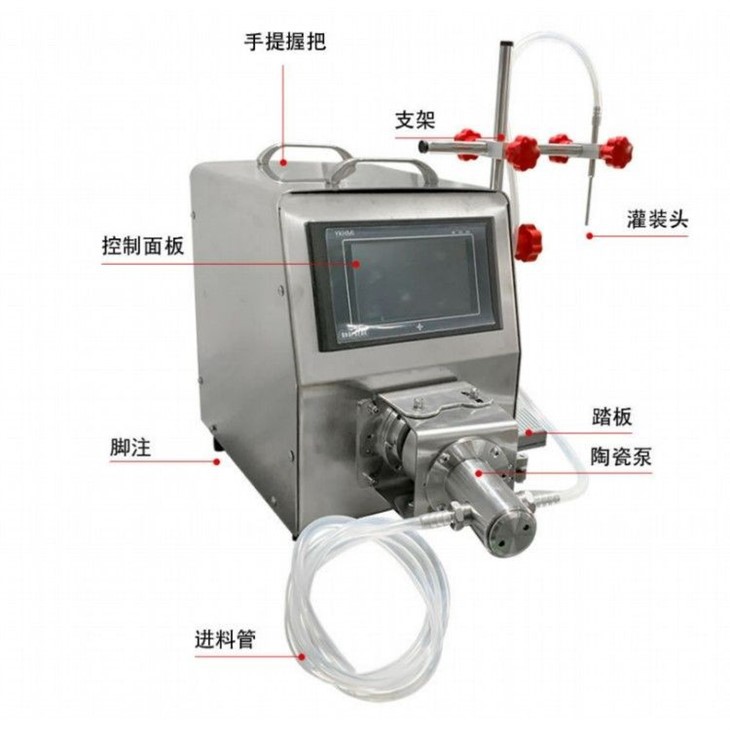
Piston filling, however, is more precise and can handle a wider range of product viscosities, including thick creams and gels. Monoblock fillers with piston - filling systems are more complex and thus more costly. You might pay an additional $5,000 - $20,000 for a piston - filling monoblock filler compared to a volumetric or gravity - filling one.
3. Product Compatibility
Another factor is the type of product you're filling. If you're filling a standard, non - hazardous liquid, the monoblock filler can be designed with more standard components, which keeps the cost down. But if you're dealing with a highly viscous product, a corrosive chemical, or a sterile pharmaceutical product, the machine will need special features and materials.
For example, a monoblock filler for filling eye drops needs to meet strict hygiene and precision requirements. An Eye Drop Filling Machine is designed to ensure accurate dosing and prevent contamination. These specialized machines can be quite expensive, often costing well over $50,000 due to the need for high - precision components and advanced sterilization features.
4. Level of Automation
The level of automation is also a key determinant of the price. A basic monoblock filler might require a lot of manual intervention, such as loading containers and adjusting settings. These semi - automated machines are more budget - friendly, starting at around $15,000.
Fully automated monoblock fillers, on the other hand, can handle the entire filling and capping process with minimal human input. They often come with advanced features like automatic container feeding, precise filling control, and real - time monitoring. These high - end machines can cost upwards of $100,000, but they can significantly increase productivity and reduce labor costs in the long run.
5. Brand and Quality
Just like with any product, the brand and quality of the monoblock filler matter. Well - known brands with a reputation for reliability and durability usually charge more for their machines. A high - quality monoblock filler from a trusted manufacturer might cost 20% - 50% more than a similar machine from a lesser - known brand. However, investing in a well - built machine can save you money in the long term by reducing maintenance and downtime.
General Price Ranges
Based on the factors I've mentioned above, here's a rough estimate of the price ranges for different types of monoblock fillers:
- Entry - level, semi - automated machines for small - scale production: $10,000 - $30,000
- Mid - range, moderately automated machines for medium - sized businesses: $30,000 - $70,000
- High - end, fully automated machines for large - scale industrial production: $70,000 - $200,000+
Keep in mind that these are just ballpark figures, and the actual price can vary depending on your specific requirements.
Why Choose Our Monoblock Fillers
As a supplier, we understand that choosing the right monoblock filler is a big decision. That's why we offer a wide range of Monoblock Machine options to suit different budgets and production needs. Our machines are built with high - quality components and are designed for maximum efficiency and reliability.
We also provide excellent after - sales service, including installation, training, and maintenance. Our team of experts can help you select the perfect monoblock filler for your business and ensure that it operates smoothly from day one.
Contact Us for a Quote
If you're interested in learning more about our monoblock fillers or getting a personalized quote, don't hesitate to reach out. Whether you're a small startup or a large corporation, we're here to help you find the right solution at the best possible price.
References
- Packaging Machinery Manufacturers Institute (PMMI). Industry reports on filling and packaging equipment.
- Interviews with industry experts and customers.