


In the era of increasing environmental awareness and resource recycling, textile waste recycling has emerged as a significant industry. A crucial piece of equipment in this process is the pulverizer. As a supplier of pulverizer prices, I am well - versed in the factors that determine the cost of a pulverizer for textile waste recycling.


Understanding the Role of a Pulverizer in Textile Waste Recycling
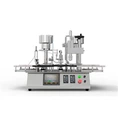
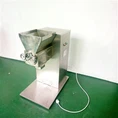
Before delving into the price, it's essential to understand what a pulverizer does in textile waste recycling. Textile waste comes in various forms, such as old clothes, fabric scraps from factories, and discarded carpets. A Pulverizer Machine is designed to break down these materials into smaller particles. This size reduction is the first step in the recycling process, making it easier to further process the waste into new products, like recycled yarns or insulation materials.
Factors Affecting the Price of a Pulverizer
1. Capacity
One of the most significant factors influencing the price of a pulverizer is its capacity. Capacity refers to the amount of textile waste the machine can process per unit of time, usually measured in kilograms or tons per hour. Small - scale pulverizers, suitable for small recycling workshops or research institutions, may have a capacity of a few kilograms per hour. These machines are relatively inexpensive, often costing a few thousand dollars.
On the other hand, large - scale industrial pulverizers with high - capacity capabilities, capable of processing several tons of textile waste per hour, are much more expensive. The advanced technology and robust construction required to handle large volumes of materials contribute to their high price. They can cost tens of thousands or even hundreds of thousands of dollars.
2. Technology and Design
The technology and design of the pulverizer also play a crucial role in determining its price. Modern pulverizers are equipped with advanced features such as adjustable particle size control, automated feeding systems, and energy - efficient motors. These features not only improve the efficiency of the recycling process but also enhance the quality of the pulverized materials.
For example, some pulverizers use cutting - edge blade designs and high - speed rotation mechanisms to achieve more precise and uniform particle sizes. These advanced designs require more research and development, as well as high - quality materials, which drive up the cost of the machine. In contrast, basic pulverizers with simple designs and fewer features are more affordable.
3. Brand and Quality
Well - known brands in the industry usually command higher prices for their pulverizers. This is because they have a reputation for producing high - quality, reliable machines. These brands often invest heavily in quality control, after - sales service, and product innovation. Customers are willing to pay a premium for the assurance of getting a durable and efficient machine.
On the other hand, lesser - known brands or generic models may offer more budget - friendly options. However, the quality and reliability of these machines may vary, and there may be a higher risk of breakdowns or sub - optimal performance.
4. Material and Construction
The materials used in the construction of the pulverizer can significantly affect its price. High - quality materials, such as stainless steel or special alloys, are more resistant to wear and corrosion, especially when dealing with abrasive textile waste. Machines made from these materials are more durable and can withstand the harsh operating conditions of a recycling plant.
In addition, the overall construction of the machine, including the strength of the frame and the precision of the mechanical components, also impacts the price. A well - built pulverizer with a solid structure is likely to be more expensive but will provide better long - term performance.
Price Range of Pulverizers for Textile Waste Recycling
Based on the factors mentioned above, the price range of pulverizers for textile waste recycling can vary widely.
Small - Scale Pulverizers
For small - scale applications, such as home - based recycling projects or small community recycling initiatives, small pulverizers can be purchased for as little as $1,000 - $5,000. These machines are typically compact, easy to operate, and have a relatively low capacity. They are suitable for processing small amounts of textile waste, such as a few kilograms per hour.
Medium - Scale Pulverizers
Medium - scale pulverizers, which are commonly used in small to medium - sized recycling factories, usually cost between $5,000 - $20,000. These machines have a higher capacity, ranging from 10 to 100 kilograms per hour, and are equipped with more advanced features than small - scale models. They often have better particle size control and more efficient feeding systems.
Large - Scale Pulverizers
Large - scale industrial pulverizers, designed for large recycling plants that handle a significant amount of textile waste, can cost upwards of $20,000. Some high - end models with extremely high capacity and advanced technology can cost over $100,000. These machines are built to operate continuously for long periods, with high - performance motors and heavy - duty construction.
Complementary Equipment and Its Impact on Cost
In addition to the pulverizer itself, there are other complementary equipment that may be required in a textile waste recycling plant. For example, Industrial Mixers and Mixing Equipment are often used to blend the pulverized textile materials with other additives or binders.
The cost of these complementary equipment should also be considered when planning a textile waste recycling project. While they may not be as expensive as the pulverizer, they still contribute to the overall investment. The integration of these equipment also requires additional engineering and installation work, which adds to the total cost.
Making the Right Purchase Decision
When considering purchasing a pulverizer for textile waste recycling, it's important to make a well - informed decision. First, assess your specific recycling needs, including the volume of textile waste you need to process, the desired particle size, and the quality requirements of the final product.
Next, research different brands and models of pulverizers. Read customer reviews and compare prices to find the best value for your money. Consider the long - term costs, such as maintenance, energy consumption, and spare parts availability.
Finally, don't hesitate to contact suppliers for more information. As a pulverizer price supplier, I am always ready to provide detailed product information, technical support, and price quotes. We can also help you design a complete recycling solution that meets your specific requirements.
Conclusion
The price of a pulverizer for textile waste recycling is influenced by multiple factors, including capacity, technology, brand, and material. By understanding these factors, you can make a more informed decision when purchasing a pulverizer. Whether you are a small - scale recycler or a large industrial enterprise, there is a suitable pulverizer available at a price that fits your budget.
If you are interested in purchasing a pulverizer for your textile waste recycling project, please feel free to contact us. We will be happy to discuss your needs and provide you with the most appropriate solutions.
References
- Smith, J. (2020). Textile Waste Recycling: Technologies and Applications. Elsevier.
- Brown, A. (2019). Industrial Equipment for Recycling Processes. Wiley.
- Green, M. (2018). Advances in Pulverizer Technology for Waste Materials. Journal of Recycling Science and Technology.