


As a supplier of mixing machines, I often encounter inquiries from customers about the maximum mixing volume of our equipment. This parameter is crucial as it directly impacts the efficiency and productivity of various industrial processes. In this blog post, I will delve into the factors that determine the maximum mixing volume of a mixing machine and provide insights to help you make informed decisions when selecting the right equipment for your needs.
Understanding the Concept of Maximum Mixing Volume
The maximum mixing volume refers to the largest amount of material that a mixing machine can effectively process in a single batch. It is typically measured in liters (L) or cubic meters (m³), depending on the scale of the equipment. However, it's important to note that the maximum mixing volume is not simply the physical capacity of the mixing chamber. Instead, it is determined by a combination of factors, including the design of the mixer, the properties of the materials being mixed, and the mixing process itself.
Factors Affecting the Maximum Mixing Volume
Mixer Design
The design of the mixing machine plays a significant role in determining its maximum mixing volume. Different types of mixers, such as Industrial Mixers, have varying geometries and agitation mechanisms, which can affect the flow pattern and mixing efficiency of the materials. For example, a ribbon mixer, which consists of a helical ribbon agitator rotating within a U-shaped trough, is suitable for mixing large volumes of dry powders and granules. On the other hand, a planetary mixer, which features a rotating agitator that orbits around the mixing bowl, is more effective for mixing high-viscosity materials in smaller batches.

The size and shape of the mixing chamber also influence the maximum mixing volume. A larger mixing chamber can accommodate more material, but it may also require a more powerful motor and agitator to ensure proper mixing. Additionally, the shape of the chamber can affect the flow of the materials and the formation of dead zones, where the materials may not be adequately mixed. Therefore, it's important to choose a mixer with a chamber design that is optimized for the specific materials and mixing requirements.
Material Properties
The properties of the materials being mixed, such as density, viscosity, particle size, and shape, can also impact the maximum mixing volume. Materials with high density or viscosity require more energy to mix, which can limit the amount of material that can be processed in a single batch. For example, mixing a dense powder with a high viscosity binder may require a more powerful mixer and a longer mixing time compared to mixing a lightweight powder with a low viscosity liquid.
The particle size and shape of the materials can also affect the mixing process. Fine powders tend to agglomerate more easily, which can lead to poor mixing and the formation of clumps. Therefore, it may be necessary to use a pre-mixing step or a special agitator design to break up the agglomerates and ensure uniform mixing. Similarly, materials with irregular shapes may require a more complex agitation mechanism to ensure that they are evenly distributed throughout the mixture.
Mixing Process
The mixing process itself, including the mixing speed, time, and sequence, can also influence the maximum mixing volume. Mixing at a higher speed can increase the shear force and improve the mixing efficiency, but it may also generate more heat and cause the materials to degrade. Therefore, it's important to choose a mixing speed that is appropriate for the materials and the mixer design.
The mixing time is another important factor to consider. Longer mixing times can improve the homogeneity of the mixture, but they can also increase the energy consumption and reduce the productivity of the process. Therefore, it's important to determine the optimal mixing time based on the materials, the mixer design, and the desired quality of the mixture.
The sequence in which the materials are added to the mixer can also affect the mixing process. For example, adding a liquid binder to a dry powder too quickly can cause the powder to clump and form a paste, which can be difficult to mix. Therefore, it's important to add the materials in a controlled manner and to allow sufficient time for each addition to be properly incorporated into the mixture.
Determining the Maximum Mixing Volume for Your Application
To determine the maximum mixing volume for your specific application, it's important to consider the factors discussed above and to consult with a mixing machine supplier. A reputable supplier will have the expertise and experience to recommend the right mixer for your needs and to provide you with accurate information about the maximum mixing volume and other performance parameters.
In addition to considering the technical specifications of the mixer, it's also important to evaluate the overall cost and efficiency of the mixing process. A larger mixer may have a higher maximum mixing volume, but it may also require more energy and maintenance, which can increase the operating costs. Therefore, it's important to choose a mixer that is not only capable of meeting your production requirements but also cost-effective in the long run.
Other Related Equipment
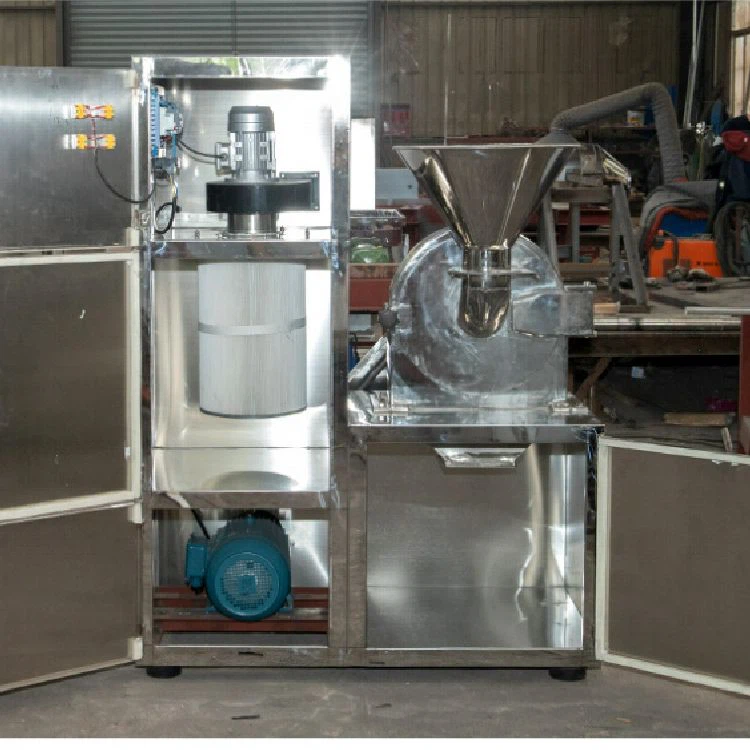
In addition to mixing machines, there are other types of equipment that may be used in conjunction with mixers to enhance the efficiency and productivity of the mixing process. For example, Pulverizer Machine can be used to reduce the particle size of the materials before mixing, which can improve the mixing efficiency and the quality of the final product. Similarly, Granulators can be used to form the mixed materials into granules, which can be easier to handle and transport.
Conclusion
The maximum mixing volume of a mixing machine is a critical parameter that can significantly impact the efficiency and productivity of various industrial processes. By understanding the factors that affect the maximum mixing volume and consulting with a reputable mixing machine supplier, you can choose the right equipment for your needs and ensure that your mixing process is optimized for maximum performance.
If you are interested in learning more about our mixing machines or other related equipment, please feel free to contact us. Our team of experts will be happy to assist you in selecting the right equipment for your application and to provide you with detailed information about the technical specifications, performance parameters, and pricing. We look forward to the opportunity to work with you and to help you achieve your production goals.
References
- Perry, R. H., & Green, D. W. (Eds.). (2008). Perry's Chemical Engineers' Handbook. McGraw-Hill.
- McCabe, W. L., Smith, J. C., & Harriott, P. (2005). Unit Operations of Chemical Engineering. McGraw-Hill.
- Harnby, N., Edwards, M. F., & Nienow, A. W. (Eds.). (1992). Mixing in the Process Industries. Butterworth-Heinemann.