


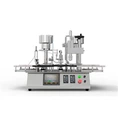
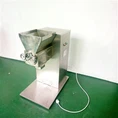
Hey there! I'm a supplier of mixing equipment, and today I wanna chat about something super important: the maintenance cost of mixing equipment. It's a topic that often gets overlooked, but trust me, it plays a huge role in the long - term operation of your business.
First off, let me break down the different components that make up the maintenance cost. There are basically two main types: preventive maintenance cost and corrective maintenance cost.
Preventive Maintenance Cost
Preventive maintenance is all about taking steps before something breaks down. It's like going to the doctor for a regular check - up to catch any potential health issues early on.
- Regular Inspections: Just like you'd check your car's engine oil and tire pressure regularly, you need to inspect your mixing equipment. This involves looking at parts like belts, bearings, and seals. You'll need to pay your maintenance staff for the time they spend on these inspections. Plus, there might be a cost for the inspection tools, like handheld thermometers to check the temperature of motor parts or vibration sensors to detect any abnormal shaking.
- Lubrication: Mixing equipment has a lot of moving parts, and lubrication is crucial to keep them running smoothly. You've gotta buy the right type of lubricants, which can vary depending on the equipment's make and model. And don't forget about the labor cost of applying the lubricant. If you don't lubricate properly, the parts can wear out faster, leading to higher costs down the line.
- Component Replacements: Over time, certain parts will wear out even with proper care. For example, blades on industrial mixers may lose their sharpness or get bent. You'll need to replace these parts regularly to maintain the equipment's performance. Replacement parts can be a significant expense, especially for high - quality and specialized mixing equipment.
Corrective Maintenance Cost
When something goes wrong with your mixing equipment and it breaks down, that's when corrective maintenance comes in. And let me tell you, it can be pretty costly.
- Repair Labor: If your equipment breaks down, you'll need to call in a technician to fix it. The cost of labor can vary depending on the complexity of the repair and the hourly rate of the technician. Sometimes, if the equipment is very specialized, you might even have to bring in an expert from the manufacturer, which can be super expensive.
- Replacement Parts for Breakdowns: In addition to the labor cost, you'll also need to pay for the parts that need to be replaced due to the breakdown. And when a part breaks unexpectedly, it can be a real pain in the neck because you might not have it in stock. This can lead to delays in getting the equipment up and running again, and you may have to pay a premium for expedited shipping of the replacement part.
- Production Loss: This is often the most overlooked cost of all. When your mixing equipment breaks down, your production line stops. And every minute your production is halted means lost revenue. You've got orders to fulfill, and if you can't do it on time, you might lose customers.
Now, let's talk about how to keep these maintenance costs under control.
Tips to Reduce Maintenance Costs
- Training: Make sure your staff is well - trained on how to operate the mixing equipment properly. A well - trained operator is less likely to make mistakes that could lead to equipment breakdowns. For example, if they know the correct speed settings and how to load materials evenly, it can reduce the stress on the equipment.
- Documentation: Keep detailed records of all maintenance activities. This includes when inspections were done, what parts were replaced, and any issues that were found. This information can help you identify patterns and plan preventive maintenance more effectively. For instance, if you notice that a certain part always needs to be replaced after a certain number of hours of operation, you can schedule the replacement in advance.
- Quality Equipment: Invest in high - quality mixing equipment from the start. Sure, it might cost more upfront, but it can save you a ton of money in the long run. Quality equipment is usually more durable, has better - designed components, and may come with a longer warranty. You can check out our Industrial Mixers for some top - notch options.
Let's take a look at some real - world examples to understand the impact of maintenance costs better. A small - scale food processing plant was using a relatively cheap mixing machine. They didn't pay much attention to preventive maintenance, thinking it was an unnecessary expense. After a few months, the machine started having problems. The blades became dull, and the motor started overheating. They had to call in a technician to fix it, which cost them a significant amount. And during the time the machine was down, they couldn't produce enough product to meet their orders, resulting in lost sales.
On the other hand, a large - scale pharmaceutical company invested in high - quality mixing equipment and had a strict preventive maintenance schedule. They trained their staff well and kept detailed records. As a result, they had very few breakdowns, and their overall maintenance cost was much lower compared to the potential losses they could have faced from production disruptions.
Another important aspect to consider is the relationship between the type of mixing equipment and its maintenance cost. For example, a Pulverizer Machine has different maintenance requirements compared to a simple paddle mixer. Pulverizers have very fine parts and high - speed rotating components, which require more frequent inspections and precise alignment. If a pulverizer isn't maintained properly, it can lead to issues like uneven grinding and even damage to the overall equipment. You can also learn more about Pulverizer maintenance on our website.
In conclusion, understanding the maintenance cost of mixing equipment is crucial for any business that uses this type of machinery. From preventive to corrective maintenance, every aspect has its own associated costs. By taking proactive steps like training your staff, keeping good records, and investing in quality equipment, you can reduce these costs and ensure the smooth running of your production processes.


If you're in the market for mixing equipment or want to learn more about how to manage maintenance costs effectively, we're here to help. We've got a wide range of high - quality mixing equipment that is designed to be reliable and easy to maintain. Don't hesitate to get in touch to discuss your specific needs and requirements. Contact us today to start a conversation about how we can help you with your mixing equipment needs.
References
- General knowledge of the mixing equipment industry
- Industry case studies on equipment maintenance costs