


What is the maintenance cost of an ampoule filler?
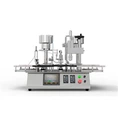
As a supplier of Ampoule fillers, I often get asked about the maintenance costs associated with these machines. Understanding these costs is crucial for businesses in the pharmaceutical, cosmetic, and other industries that rely on ampoule filling for their products. In this blog post, I'll break down the various factors that contribute to the maintenance cost of an ampoule filler and provide some insights to help you manage these expenses effectively.
1. Routine Maintenance and Inspection
Routine maintenance is the cornerstone of keeping an ampoule filler in good working condition. This includes regular inspections, cleaning, and lubrication of the machine's components. For example, the filling nozzles need to be cleaned to prevent clogging, which can affect the accuracy of the filling process. The conveyor belts and mechanical parts also require lubrication to reduce friction and wear.
The cost of routine maintenance largely depends on the frequency of the tasks and the type of materials used. Cleaning agents, lubricants, and replacement filters are some of the consumables that are part of routine maintenance. On average, a small - to medium - sized ampoule filler may incur routine maintenance costs ranging from $500 to $1500 per year. However, this can vary based on the complexity of the machine and the specific requirements of the production environment.
2. Replacement Parts
Over time, certain parts of an ampoule filler will wear out and need to be replaced. Common replacement parts include seals, gaskets, valves, and drive belts. The cost of these parts can vary significantly depending on the make and model of the ampoule filler.
For instance, a high - quality seal for a precision filling valve might cost anywhere from $20 to $100, while a more complex drive belt could cost $100 to $300. Additionally, if the machine uses specialized components, the replacement costs can be even higher. It's advisable to keep a stock of critical replacement parts on hand to minimize downtime in case of a breakdown. A rough estimate for annual replacement part costs for an ampoule filler is between $1000 and $3000, but this can increase if there are major component failures.


3. Calibration and Testing
Accurate filling is essential for ampoule production. Therefore, regular calibration and testing of the ampoule filler are necessary to ensure that it meets the required standards. Calibration involves adjusting the machine to dispense the correct volume of liquid into each ampoule.
The cost of calibration can depend on whether it is done in - house or by an external service provider. In - house calibration requires trained personnel and the appropriate calibration equipment. If you choose an external service, the cost can range from $500 to $2000 per calibration, depending on the complexity of the machine and the number of parameters that need to be calibrated. Testing for factors such as filling accuracy, seal integrity, and contamination levels also adds to the overall cost. On an annual basis, calibration and testing costs can amount to around $1000 to $3500.
4. Labor Costs
Labor is a significant component of the maintenance cost. Whether it's routine maintenance, replacement of parts, or calibration, skilled technicians are required to perform these tasks. The hourly rate for technicians can vary depending on their level of expertise and the region.
For example, in some areas, a technician may charge $50 to $100 per hour. If a major maintenance task takes 8 to 10 hours, the labor cost alone can be $400 to $1000. Over the course of a year, labor costs for maintaining an ampoule filler can range from $2000 to $5000, depending on the frequency and complexity of the maintenance work.
5. Software and Control System Maintenance
Modern ampoule fillers are often equipped with advanced software and control systems that regulate the filling process. These systems need to be maintained to ensure smooth operation. Software updates may be required to fix bugs, improve performance, or comply with new industry regulations.
The cost of software maintenance can vary. Some software providers offer annual maintenance contracts that can cost between $500 and $2000, depending on the features and support provided. Additionally, if there are issues with the control system hardware, such as sensors or actuators, the cost of repair or replacement needs to be factored in.
Strategies to Manage Maintenance Costs
- Preventive Maintenance Plan: Develop a comprehensive preventive maintenance plan that outlines the schedule for routine maintenance, inspections, and calibration. This can help identify potential issues before they become major problems, reducing the overall cost of maintenance.
- Training for In - house Staff: Provide training to your in - house staff so that they can perform basic maintenance tasks. This can reduce the reliance on external service providers and lower labor costs.
- Quality Parts and Consumables: Invest in high - quality replacement parts and consumables. While they may be more expensive upfront, they tend to last longer and can reduce the frequency of replacements.
Conclusion
The maintenance cost of an ampoule filler is a combination of routine maintenance, replacement parts, calibration, labor, and software/control system upkeep. On average, the total annual maintenance cost for an ampoule filler can range from $5000 to $15000, depending on the size, complexity, and usage of the machine.
If you're in the market for an Ampoule Filler, Ampoule Machine, or Ampoule Sealer, and want to understand more about the long - term costs and how to manage them, we're here to help. We can provide you with detailed information about our products and offer solutions to keep your production running smoothly. Contact us to start a discussion about your specific needs and how our ampoule filling equipment can meet them.
References
- Pharmaceutical Machinery Handbook: A guide to the operation and maintenance of various pharmaceutical machines, including ampoule fillers.
- Industry reports on the cost analysis of equipment maintenance in the pharmaceutical and cosmetic industries.