


Hey there! As a supplier of mixing equipment, I often get asked about the corrosion resistance of our products. It's a super important topic, especially when you're dealing with all sorts of substances in industrial settings. So, let's dive right into what corrosion resistance is all about when it comes to mixing equipment.
First off, what is corrosion? Well, corrosion is basically a natural process that happens when metals react with their environment. It's like the metal is getting a bit too friendly with the air, water, chemicals, or other substances around it. This reaction can lead to the deterioration of the metal over time. And when we're talking about mixing equipment, that's a big deal because we rely on these machines to work efficiently and last a long time.
There are different types of corrosion that can affect mixing equipment. One common type is uniform corrosion. This is when the metal surface corrodes evenly across the board. You might notice a general thinning of the metal over time. Another type is pitting corrosion. This is a bit more sneaky. It starts with small pits or holes forming on the metal surface. These pits can grow deeper and deeper, weakening the structure of the equipment. Then there's crevice corrosion, which happens in small gaps or crevices in the equipment. Moisture and chemicals can get trapped in these areas, leading to accelerated corrosion.
So, why is corrosion resistance so crucial for mixing equipment? Well, for starters, it helps to extend the lifespan of the equipment. When your mixing machine is resistant to corrosion, it can withstand the harsh conditions in industrial environments. This means you won't have to replace it as often, which can save you a ton of money in the long run.
Corrosion resistance also ensures the safety of the equipment. If the metal starts to corrode, it can weaken the structure of the mixer. This could lead to parts breaking off or the machine malfunctioning, which could pose a risk to the operators.
Another important aspect is the quality of the mixing process. When the equipment is corroded, it can contaminate the substances being mixed. For example, if you're mixing food products or pharmaceuticals, any corrosion particles that get into the mixture can be a big no - no. It can affect the quality and safety of the final product.
Now, let's talk about how we, as a mixing equipment supplier, ensure the corrosion resistance of our products. One of the key factors is the choice of materials. We use high - quality stainless steel in many of our mixers. Stainless steel contains chromium, which forms a thin, protective layer on the surface of the metal. This layer acts as a barrier, preventing oxygen and other corrosive substances from reaching the underlying metal.
We also apply special coatings to some of our equipment. These coatings can provide an extra layer of protection against corrosion. They're designed to be resistant to a wide range of chemicals and environmental conditions.
In addition, we pay close attention to the design of our mixing equipment. We make sure that there are no areas where moisture or chemicals can get trapped, which could lead to corrosion. For example, we use smooth surfaces and proper drainage systems to prevent the accumulation of liquids.
When it comes to our product range, we have a variety of mixing equipment that offers excellent corrosion resistance. Our Industrial Mixers are built to handle tough industrial applications. Whether you're mixing chemicals, food products, or other substances, these mixers are designed to last.
We also have Pulverizer Machine that are corrosion - resistant. These machines are used to grind and crush materials, and they need to be able to withstand the wear and tear of the process, as well as any corrosive substances that might be involved.
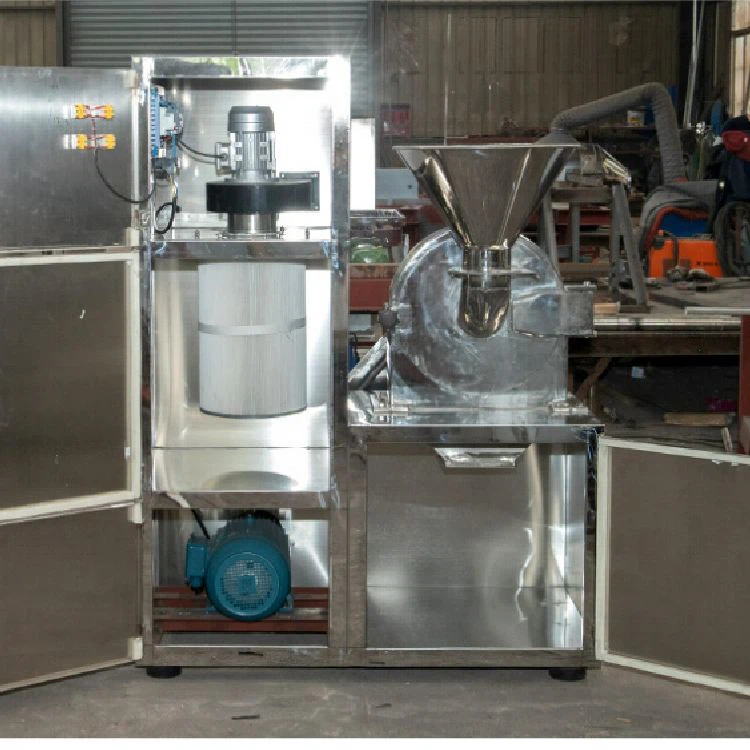


And our Granulator Machine are another great example. They're used to create granules from powders, and they're made with materials and coatings that ensure long - term corrosion resistance.
If you're in the market for mixing equipment, you need to consider the corrosion resistance. It's not something you can afford to overlook. A mixer that isn't corrosion - resistant can end up costing you more in the long run due to repairs and replacements, and it can also pose risks to your product quality and safety.
When you're evaluating different mixing equipment suppliers, ask about the materials they use, the coatings applied, and their testing procedures for corrosion resistance. A reliable supplier should be able to provide you with detailed information and even test results.
In conclusion, corrosion resistance is a vital aspect of mixing equipment. It affects the lifespan, safety, and performance of the machines, as well as the quality of the products you're mixing. As a supplier, we're committed to providing high - quality, corrosion - resistant mixing equipment that meets your needs.
If you're interested in learning more about our products or have any questions about corrosion resistance, don't hesitate to reach out. We're here to help you make the right choice for your business. Whether you're a small - scale operation or a large industrial facility, we have the right mixing solution for you. So, let's have a chat and see how we can work together to get you the best mixing equipment.
References:
- "Corrosion Science and Engineering" textbooks
- Industry reports on industrial equipment durability and performance