


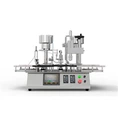
As a seasoned supplier of monoblock machines, I've had the privilege of witnessing the remarkable evolution of these versatile pieces of equipment. Monoblock machines, which integrate multiple functions into a single unit, have become indispensable in various industries, from pharmaceuticals to food and beverage. One of the critical components that ensures the smooth operation of a monoblock machine is its cooling system. In this blog post, I'll delve into the intricacies of the cooling system of a monoblock machine, exploring its importance, types, and maintenance requirements.
The Importance of a Cooling System in a Monoblock Machine
A monoblock machine is a complex piece of equipment that generates a significant amount of heat during operation. The heat is produced by various components, including motors, pumps, and electrical systems. If this heat is not properly managed, it can lead to several problems, such as reduced efficiency, increased wear and tear on components, and even system failure.
The cooling system plays a crucial role in maintaining the optimal operating temperature of the monoblock machine. By removing excess heat, it ensures that the machine operates efficiently and reliably, reducing the risk of breakdowns and extending the lifespan of the equipment. Additionally, a well-functioning cooling system can improve product quality by preventing overheating, which can affect the properties of the materials being processed.
Types of Cooling Systems in Monoblock Machines
There are several types of cooling systems used in monoblock machines, each with its own advantages and disadvantages. The choice of cooling system depends on various factors, such as the size and type of the machine, the operating environment, and the specific requirements of the application.
Air Cooling Systems
Air cooling systems are the most common type of cooling system used in monoblock machines. They work by using fans to circulate air over the hot components of the machine, transferring heat from the components to the surrounding air. Air cooling systems are relatively simple and cost-effective, making them a popular choice for smaller machines and applications where water is not readily available.
One of the main advantages of air cooling systems is their simplicity. They require minimal maintenance and have a relatively low initial cost. However, air cooling systems are less efficient than water cooling systems, especially in high-temperature environments. They also tend to be noisier, as the fans generate a significant amount of noise during operation.
Water Cooling Systems
Water cooling systems are more efficient than air cooling systems and are commonly used in larger monoblock machines and applications where high cooling capacity is required. They work by circulating water through a series of pipes and heat exchangers, which absorb heat from the hot components of the machine and transfer it to the water. The heated water is then pumped to a cooling tower or radiator, where it is cooled before being recirculated through the system.
Water cooling systems offer several advantages over air cooling systems. They are more efficient at removing heat, which allows the machine to operate at a lower temperature and improves its performance and reliability. They are also quieter than air cooling systems, as the water flow is relatively silent. However, water cooling systems are more complex and expensive than air cooling systems, and they require a constant supply of water.
Hybrid Cooling Systems
Hybrid cooling systems combine the advantages of air and water cooling systems to provide a more efficient and cost-effective cooling solution. They typically use a combination of air and water cooling methods to remove heat from the machine. For example, a hybrid cooling system may use air cooling to remove the majority of the heat from the machine, with water cooling used to provide additional cooling when necessary.
Hybrid cooling systems offer the best of both worlds, providing high cooling capacity and efficiency while minimizing the cost and complexity of the system. They are particularly suitable for applications where the cooling requirements vary depending on the operating conditions.
Components of a Cooling System in a Monoblock Machine
Regardless of the type of cooling system used, a monoblock machine's cooling system typically consists of several key components, each playing a crucial role in the cooling process.
Coolant
The coolant is the fluid used to transfer heat from the hot components of the machine to the cooling system. In air cooling systems, the coolant is the surrounding air, while in water cooling systems, the coolant is water or a mixture of water and antifreeze. The choice of coolant depends on the type of cooling system and the operating environment.
Pumps
Pumps are used to circulate the coolant through the cooling system. In water cooling systems, pumps are responsible for moving the water through the pipes and heat exchangers, ensuring that the heat is effectively transferred from the machine to the cooling system. Pumps can be either mechanical or electrical, depending on the design of the cooling system.


Heat Exchangers
Heat exchangers are devices that transfer heat from one fluid to another. In a monoblock machine's cooling system, heat exchangers are used to transfer heat from the hot components of the machine to the coolant. There are several types of heat exchangers, including shell and tube heat exchangers, plate heat exchangers, and finned tube heat exchangers.
Fans and Blowers
In air cooling systems, fans and blowers are used to circulate air over the hot components of the machine, transferring heat from the components to the surrounding air. Fans and blowers can be either axial or centrifugal, depending on the design of the cooling system.
Cooling Towers and Radiators
In water cooling systems, cooling towers and radiators are used to cool the heated water before it is recirculated through the system. Cooling towers work by evaporating a portion of the water, which removes heat from the remaining water. Radiators, on the other hand, use air to cool the water by transferring heat from the water to the surrounding air.
Maintenance of a Cooling System in a Monoblock Machine
Proper maintenance of the cooling system is essential to ensure the efficient and reliable operation of a monoblock machine. Regular maintenance can help prevent problems such as overheating, corrosion, and blockages, which can lead to system failure and costly repairs.
Regular Inspections
Regular inspections of the cooling system are essential to identify any potential problems before they become serious. Inspections should include checking the coolant level, inspecting the pipes and hoses for leaks, and checking the operation of the pumps, fans, and other components.
Cleaning and Flushing
Over time, the cooling system can become contaminated with dirt, debris, and other contaminants, which can reduce its efficiency and cause blockages. Regular cleaning and flushing of the cooling system can help remove these contaminants and ensure that the system operates at peak performance.
Coolant Replacement
The coolant in the cooling system should be replaced regularly to prevent corrosion and ensure that it provides effective cooling. The frequency of coolant replacement depends on the type of coolant and the operating conditions of the machine.
Component Replacement
Over time, the components of the cooling system may wear out or become damaged. Regular replacement of these components can help prevent system failure and ensure that the cooling system operates efficiently.
Conclusion
The cooling system is a critical component of a monoblock machine, ensuring its efficient and reliable operation. By understanding the importance of the cooling system, the different types of cooling systems available, and the maintenance requirements, you can ensure that your monoblock machine operates at peak performance and provides you with years of trouble-free service.
If you're in the market for a monoblock machine or need to upgrade your existing cooling system, I encourage you to explore our range of Monoblock Machine and Monoblock Filler products. We also offer Eye Drop Filling Machine solutions for the pharmaceutical industry. Our team of experts is ready to assist you in selecting the right machine and cooling system for your specific needs. Contact us today to start the procurement discussion and take your production to the next level.
References
- ASHRAE Handbook of HVAC Systems and Equipment. American Society of Heating, Refrigerating and Air-Conditioning Engineers.
- Cooling Tower Institute. Cooling Tower Handbook.
- Incropera, F. P., & DeWitt, D. P. (2002). Fundamentals of Heat and Mass Transfer. John Wiley & Sons.