


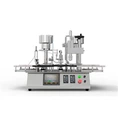
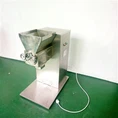
As a supplier of industrial mixers, I am often asked about the safety features of these essential pieces of equipment. Industrial mixers are used in a wide range of industries, including pharmaceuticals, food and beverage, chemicals, and more. They are designed to blend, mix, and homogenize various materials, but they also come with potential risks. In this blog post, I will discuss the key safety features of industrial mixers and why they are crucial for both operators and the overall efficiency of the production process.

Enclosure and Guarding
One of the primary safety features of industrial mixers is the enclosure and guarding system. This includes physical barriers such as covers, shields, and guards that prevent operators from coming into contact with moving parts. For example, a mixer with a fully enclosed housing protects the operator from the rotating blades or agitators. These enclosures are often made of durable materials like stainless steel or heavy - duty plastics, which can withstand the rigors of industrial use.
The guarding system also helps to contain any potential splashes or spills that may occur during the mixing process. In industries where the materials being mixed are hazardous, such as chemicals or pharmaceuticals, this containment is essential to prevent exposure to harmful substances. It also reduces the risk of fires or explosions in environments where flammable materials are present.
Emergency Stop Buttons
Emergency stop buttons are a critical safety feature on industrial mixers. These buttons are strategically placed in easily accessible locations around the mixer. In case of an emergency, such as a jam, a malfunction, or a safety hazard, an operator can quickly press the emergency stop button to immediately halt the operation of the mixer.
This feature is designed to minimize the potential for injury and damage. For instance, if a foreign object gets caught in the mixer, pressing the emergency stop button can prevent further entanglement and damage to the equipment. It also gives operators the ability to respond rapidly to any unforeseen situations, ensuring their safety and the integrity of the production process.
Overload Protection
Industrial mixers are often subjected to varying loads depending on the materials being mixed and the mixing process. Overload protection is a safety mechanism that prevents the mixer from operating beyond its designed capacity. This is typically achieved through the use of sensors and control systems.
When the mixer detects an overload, it will automatically shut down or reduce its speed to prevent damage to the motor, gears, and other components. Overload protection not only extends the lifespan of the mixer but also reduces the risk of accidents caused by equipment failure. For example, an overloaded motor can overheat, leading to a fire hazard. By preventing such overloads, the safety of the entire production facility is enhanced.
Safety Interlocks
Safety interlocks are another important safety feature of industrial mixers. These are devices that prevent the mixer from operating unless certain safety conditions are met. For example, a mixer may have a safety interlock that requires the cover to be properly closed before it can start. This ensures that operators are not exposed to the moving parts while the mixer is in operation.
Safety interlocks can also be used in conjunction with other safety features. For instance, if the emergency stop button is pressed, the safety interlock system will prevent the mixer from restarting until the cause of the emergency has been resolved and the system has been reset. This multi - layer approach to safety helps to minimize the risk of accidents and ensures that the mixer operates only under safe conditions.

Anti - Vibration Mounts
Vibration is a common issue in industrial mixers, which can not only cause wear and tear on the equipment but also pose a safety risk. Anti - vibration mounts are used to reduce the amount of vibration transmitted from the mixer to the surrounding environment.
These mounts are typically made of rubber or other flexible materials that absorb and dampen the vibrations. By reducing vibration, the risk of equipment damage due to excessive shaking is minimized. It also improves the stability of the mixer, reducing the likelihood of it tipping over or causing other safety hazards. Additionally, less vibration means a quieter working environment, which is beneficial for the health and well - being of operators.

Temperature and Pressure Sensors
In some industrial mixing applications, temperature and pressure control are crucial for safety and product quality. Temperature and pressure sensors are installed on industrial mixers to monitor these parameters in real - time.
If the temperature or pressure exceeds the safe operating range, the sensors will trigger an alarm and, in some cases, automatically shut down the mixer. This is particularly important in processes where chemical reactions are taking place, as an uncontrolled increase in temperature or pressure can lead to dangerous situations such as explosions or the release of toxic gases.
Electrical Safety Features
Industrial mixers are powered by electricity, so electrical safety is of utmost importance. These mixers are equipped with features such as grounding, circuit breakers, and insulation to prevent electrical shocks and short - circuits.
Grounding provides a safe path for electrical current in case of a fault, ensuring that the operator is protected from electric shock. Circuit breakers automatically cut off the power supply if there is an overcurrent or short - circuit, preventing damage to the electrical components and reducing the risk of fire. High - quality insulation materials are used to isolate the electrical parts from the rest of the mixer, further enhancing electrical safety.
Training and Documentation
While the physical safety features of industrial mixers are essential, proper training and documentation also play a vital role in ensuring safety. As a supplier, we provide comprehensive training to operators on how to safely operate, maintain, and troubleshoot the mixers.
We also supply detailed documentation, including user manuals, safety instructions, and maintenance guides. These materials help operators understand the potential risks associated with the mixer and how to use the safety features effectively. By ensuring that operators are well - trained and have access to accurate information, we can significantly reduce the risk of accidents in the workplace.

Importance of Regular Maintenance
Regular maintenance is key to ensuring that all the safety features of industrial mixers are functioning properly. This includes inspecting the enclosure and guarding for any signs of damage, testing the emergency stop buttons, checking the overload protection system, and verifying the operation of the safety interlocks.
During maintenance, worn - out parts should be replaced promptly to maintain the integrity of the safety features. By conducting regular maintenance, we can identify and address potential safety issues before they become major problems, ensuring the long - term safety and reliability of the industrial mixers.
Conclusion
In conclusion, the safety features of industrial mixers are essential for protecting operators, preventing equipment damage, and ensuring the smooth operation of the production process. From enclosure and guarding to emergency stop buttons, overload protection, and electrical safety features, each component plays a crucial role in minimizing risks.
As a supplier of Industrial Mixers, we are committed to providing high - quality mixers with advanced safety features. Our products are designed to meet the strictest safety standards and are backed by comprehensive training and support.
If you are in the market for industrial mixers, Pulverizer, or Granulator Machine, we encourage you to contact us for more information. Our team of experts is ready to assist you in selecting the right equipment for your specific needs and ensuring that you have a safe and efficient production process. We look forward to the opportunity to work with you and help you achieve your production goals.
References
- "Industrial Mixer Safety Standards and Guidelines" - Industry Safety Council Publication
- "Electrical Safety in Industrial Equipment" - Electrical Engineering Journal
- "Maintenance Best Practices for Industrial Mixers" - Equipment Maintenance Magazine