


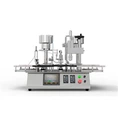
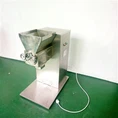
In the dynamic landscape of industrial manufacturing, industrial mixers play a pivotal role in various sectors, including food and beverage, pharmaceuticals, chemicals, and cosmetics. As a trusted supplier of Industrial Mixers, we understand the significance of a well-designed control panel in optimizing the performance and functionality of these mixers. In this blog post, we will delve into the functions of the control panel in industrial mixers, highlighting its importance in ensuring efficient, precise, and safe mixing operations.
1. Operational Control
The primary function of the control panel in an industrial mixer is to provide operators with a centralized interface to control and monitor the mixing process. It allows operators to start, stop, and adjust the speed of the mixer motor, as well as control other parameters such as mixing time, temperature, and pressure. With intuitive controls and clear displays, the control panel enables operators to easily set up and adjust the mixing process according to the specific requirements of each batch.
For instance, in a pharmaceutical manufacturing plant, the control panel of an industrial mixer can be programmed to run a specific mixing cycle for a particular drug formulation. The operator can set the mixing time, speed, and temperature, and the control panel will ensure that the mixer operates within the specified parameters, ensuring consistent and high-quality results.
2. Parameter Monitoring
In addition to operational control, the control panel also plays a crucial role in monitoring various parameters during the mixing process. It is equipped with sensors and gauges that continuously measure and display important parameters such as temperature, pressure, speed, and torque. This real-time monitoring allows operators to detect any deviations from the set parameters and take corrective actions promptly, preventing product quality issues and equipment damage.
For example, if the temperature of the mixture exceeds the set limit, the control panel can trigger an alarm and automatically adjust the cooling system to bring the temperature back to the desired range. Similarly, if the torque exceeds the safe limit, the control panel can stop the mixer to prevent overloading and damage to the motor.
3. Recipe Management
Many modern industrial mixers are equipped with advanced control panels that support recipe management functionality. This feature allows operators to store and recall pre-programmed mixing recipes, eliminating the need for manual input of parameters for each batch. Recipe management not only saves time and reduces the risk of human error but also ensures consistency and repeatability in the mixing process.
For instance, a food processing company can create different recipes for various products, such as sauces, dressings, and beverages. The control panel can store these recipes, and the operator can simply select the desired recipe for each batch, and the mixer will automatically adjust the parameters accordingly. This ensures that each product is mixed to the exact specifications, resulting in consistent taste and quality.
4. Safety Features
Safety is of utmost importance in industrial mixing operations, and the control panel plays a vital role in ensuring the safety of operators and equipment. It is equipped with various safety features, such as emergency stop buttons, overload protection, and interlocks, to prevent accidents and protect against equipment damage.
The emergency stop button allows operators to immediately stop the mixer in case of an emergency, such as a mechanical failure or a safety hazard. Overload protection ensures that the mixer motor does not draw excessive current, preventing overheating and damage to the motor. Interlocks are used to prevent the mixer from operating when certain safety conditions are not met, such as when the lid is open or the door is not properly closed.
5. Data Logging and Analysis
Another important function of the control panel is data logging and analysis. It can record and store data on various parameters, such as mixing time, temperature, pressure, and speed, during the mixing process. This data can be used for quality control, process optimization, and regulatory compliance.


By analyzing the data, operators can identify trends and patterns in the mixing process, and make adjustments to improve efficiency and product quality. For example, if the data shows that the mixing time is consistently longer than expected, operators can investigate the cause and make changes to the mixing process, such as adjusting the speed or the type of impeller.
6. Communication and Integration
In today's connected industrial environment, the control panel of an industrial mixer can be integrated with other systems and devices, such as programmable logic controllers (PLCs), human-machine interfaces (HMIs), and supervisory control and data acquisition (SCADA) systems. This integration allows for seamless communication and coordination between different components of the manufacturing process, enabling real-time monitoring and control from a central location.
For example, the control panel of an industrial mixer can be connected to a PLC, which can be programmed to control multiple mixers and other equipment in a production line. The HMI can provide a graphical interface for operators to monitor and control the entire production process, while the SCADA system can collect and analyze data from multiple sources, providing valuable insights for decision-making.
7. Remote Monitoring and Control
With the advent of the Internet of Things (IoT) technology, many industrial mixers are now equipped with control panels that support remote monitoring and control. This feature allows operators to monitor and control the mixer from anywhere, using a smartphone, tablet, or computer. Remote monitoring and control not only improve operational efficiency but also enable quick response to any issues or emergencies.
For instance, if an operator is off-site and receives an alarm notification from the control panel, they can log in to the system remotely and take immediate action, such as adjusting the parameters or stopping the mixer. This reduces downtime and ensures that the production process can continue smoothly.
Conclusion
In conclusion, the control panel is an essential component of an industrial mixer, providing operational control, parameter monitoring, recipe management, safety features, data logging and analysis, communication and integration, and remote monitoring and control. As a leading supplier of Industrial Mixers, we offer a wide range of mixers with advanced control panels that are designed to meet the diverse needs of our customers.
If you are looking for a reliable and efficient industrial mixer for your manufacturing process, we invite you to contact us for a consultation. Our team of experts will work with you to understand your specific requirements and recommend the best mixer and control panel solution for your application. We are committed to providing high-quality products and excellent customer service, and we look forward to partnering with you to achieve your production goals.