


Hey there! As a supplier of capsule counters, I've seen firsthand the unique needs of both the pharmaceutical and food industries. Today, I'm gonna break down the differences between capsule counters for these two sectors.
1. Accuracy Requirements
In the pharmaceutical industry, accuracy is like the holy grail. Every single pill or capsule matters because it directly impacts patients' health. Pharmaceutical companies need to ensure that each dosage is precisely measured. Even a tiny deviation can lead to ineffective treatment or, worse, serious side - effects. So, capsule counters in this industry are designed to have extremely high precision. They can count capsules with an error rate of less than 0.1%.
On the other hand, the food industry is a bit more forgiving when it comes to accuracy. While it's still important to get the right number of capsules in a package, the consequences of a small counting error aren't as dire. For example, if a food supplement capsule count is off by one or two in a bottle, it's not going to cause any health risks. Food industry capsule counters usually have an acceptable error rate of around 1 - 2%.
2. Hygiene and Sanitation
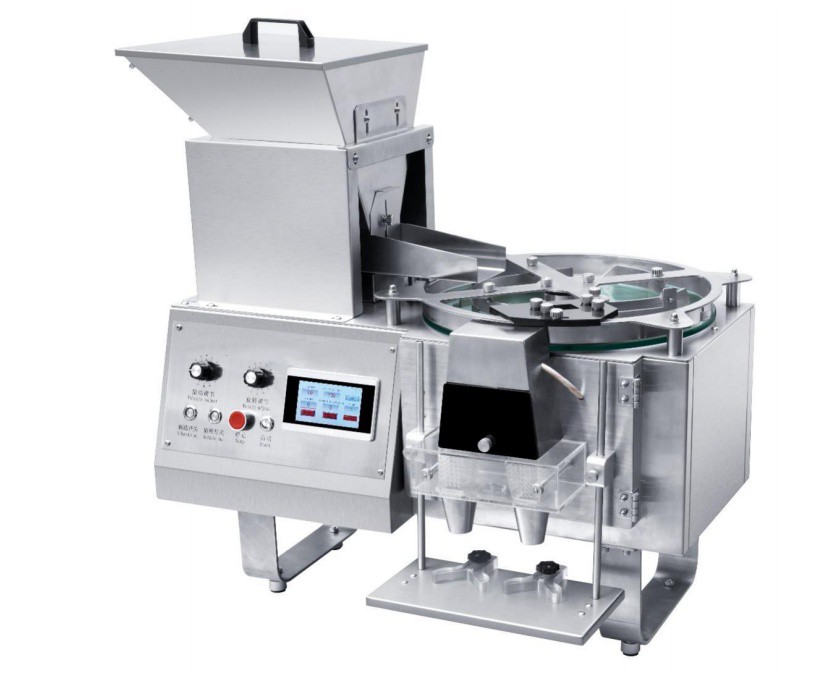
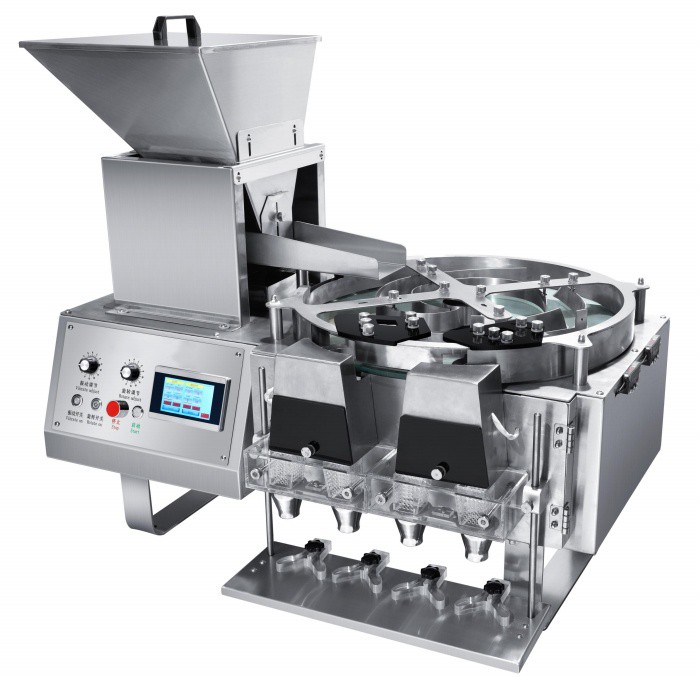
The pharmaceutical industry has some of the strictest hygiene standards out there. Capsules in this industry are used for medical purposes, so they need to be free from any contaminants. Capsule counters for pharmaceuticals are made from high - quality, easy - to - clean materials like stainless steel. They often come with features such as automatic cleaning cycles and sealed compartments to prevent dust and bacteria from getting in.
The food industry also has hygiene requirements, but they're not as stringent as those in pharma. Food capsule counters still need to be clean, but they don't need to meet the same level of sterility. For instance, food capsule counters may be made from food - grade plastics or other materials that are easy to wipe down. They may not have the same level of airtight sealing as pharmaceutical counters.
3. Speed and Throughput
Pharmaceutical companies often have large - scale production runs, but they also need to maintain high accuracy. So, their capsule counters are designed to balance speed and precision. Modern pharmaceutical capsule counters can count thousands of capsules per minute, but they do it in a carefully controlled manner.
In the food industry, speed is often a top priority. Food products have a shorter shelf - life in general, and companies want to get their products to the market as quickly as possible. Food capsule counters are usually optimized for high - speed counting. They can handle a much larger volume of capsules in a shorter time compared to pharmaceutical counters, sometimes reaching tens of thousands of capsules per minute.
4. Regulatory Compliance
The pharmaceutical industry is heavily regulated. Capsule counters need to comply with a whole bunch of regulations, such as Good Manufacturing Practices (GMP). These regulations ensure that the manufacturing process is consistent and the products are safe and effective. Any capsule counter used in the pharma industry must be able to provide detailed documentation of its performance and calibration.
The food industry also has regulations, but they're different. Food capsule counters need to meet food safety standards set by relevant authorities. These standards focus more on preventing contamination and ensuring the quality of the food product. While there are still requirements for documentation, they're not as comprehensive as those in the pharmaceutical industry.
5. Cost
Due to the high - end features, strict accuracy requirements, and regulatory compliance, capsule counters for the pharmaceutical industry are generally more expensive. The cost of developing and manufacturing these counters is higher because of the need for advanced technology and high - quality materials.
Food industry capsule counters are relatively more affordable. They don't need to have the same level of precision and regulatory compliance, so the manufacturing cost is lower. This makes them a great option for food companies that are looking for a cost - effective solution.
6. Customization
Pharmaceutical companies often require highly customized capsule counters. Different medications may have different capsule sizes, shapes, and filling materials. So, the capsule counters need to be able to handle these variations. For example, some pharmaceutical capsules may be very small or have a unique shape, and the counter needs to be adjusted accordingly.
In the food industry, while there is also some need for customization, it's not as extensive. Most food supplements come in standard capsule sizes, so the capsule counters can be more standardized. However, some food companies may still need custom features, such as the ability to count different types of capsules in the same machine.
7. Integration with Other Equipment
In the pharmaceutical industry, capsule counters are often part of a larger production line. They need to be integrated with other equipment such as Capsule Filler Machine and Capsule Filling Machine. This integration requires a high level of compatibility and communication between different machines. The capsule counter needs to be able to work seamlessly with the other equipment to ensure a smooth production process.

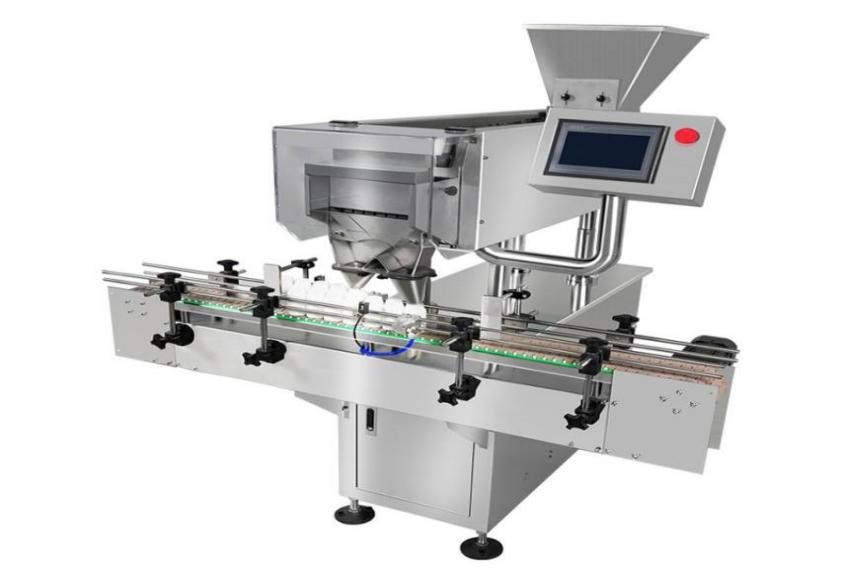
The food industry also has production lines, but the integration requirements are not as complex. Food capsule counters may need to be connected to simple packaging machines, but the level of integration is not as high as in the pharmaceutical industry.
8. Inspection and Quality Control
Pharmaceutical capsule counters are equipped with advanced inspection systems. These systems can detect any defective capsules, such as those with cracks or incorrect filling levels. This is crucial because defective capsules can't be released into the market. The inspection process in the pharmaceutical industry is very thorough and often involves multiple steps.
In the food industry, the inspection requirements are less strict. While food capsule counters may have some basic inspection features, they don't need to be as sophisticated as those in the pharmaceutical industry. The focus is more on ensuring that the capsules are clean and the count is correct.
If you're in either the pharmaceutical or food industry and are looking for a reliable capsule counter, we've got you covered. Our company offers a wide range of capsule counters that can be tailored to your specific needs. Whether you need high - precision counting for pharmaceuticals or high - speed counting for food products, we can provide the right solution. Get in touch with us to start a procurement discussion and find the perfect capsule counter for your business.
References
- Pharmaceutical Manufacturing Quality Control Handbook.
- Food Industry Production and Quality Management Guidelines.
- Industry reports on capsule counter technology and market trends.