


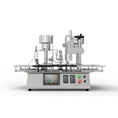
Troubleshooting an ampoule filler can be a real headache, but don't worry! As a supplier of Ampoule Filling Machine, I've seen it all and am here to share some tips to get your machine up and running smoothly.

Common Issues and Solutions
1. Inconsistent Filling Volume
One of the most common problems is when the ampoules are not filled with the correct volume. This can be due to several reasons.
- Check the Pump: The pump is the heart of the filling system. If it's not working properly, the filling volume will be off. Make sure the pump is clean and free of any blockages. Sometimes, small particles or debris can get stuck in the pump, affecting its performance. You might need to disassemble the pump and clean it thoroughly. If the pump is damaged, it may need to be replaced.
- Verify the Nozzle: A blocked or worn - out nozzle can also cause inconsistent filling. Check the nozzle for any clogs. If there are blockages, you can try using a small brush or compressed air to clean it. If the nozzle is worn, it's best to replace it.
- Pressure Adjustment: Incorrect pressure in the filling system can lead to volume variations. Check the pressure settings on your ampoule filler. You may need to adjust the pressure according to the viscosity of the liquid you're filling. Thicker liquids usually require higher pressure to ensure accurate filling.
2. Leakage
Leakage is another annoying problem that you might encounter.
- Seals and Gaskets: Inspect all the seals and gaskets in the filling system. Over time, they can wear out or become damaged, causing leaks. Replace any worn - out seals or gaskets as soon as you notice a problem. Make sure the new seals fit properly and are installed correctly.
- Connections: Loose connections can also result in leakage. Check all the hoses, pipes, and fittings to ensure they are tightly connected. You can use a wrench to tighten any loose connections gently. However, be careful not to over - tighten, as this can damage the components.
3. Ampoule Breakage
If you notice a high rate of ampoule breakage during the filling process, it's a sign that something is wrong.
- Alignment: Make sure the ampoules are properly aligned in the machine. Misaligned ampoules can be easily broken when the filling nozzle or other components come into contact with them. Check the feeding mechanism and adjust it if necessary.
- Handling Mechanisms: The parts of the machine that handle the ampoules, such as the gripping mechanisms, should be in good condition. Worn - out grippers can squeeze the ampoules too tightly, causing them to break. Inspect these mechanisms regularly and replace any damaged parts.
4. Seal Quality Issues
When it comes to ampoules, a good seal is crucial to maintain the integrity of the product inside.
- Heat Settings: If you're using an Ampoule Sealer, incorrect heat settings can lead to poor seal quality. If the heat is too low, the seal may not be strong enough. On the other hand, if the heat is too high, it can damage the ampoule or the product inside. Refer to the manufacturer's manual to set the correct heat temperature.
- Sealing Mechanism: The sealing mechanism itself may be malfunctioning. Check for any signs of wear or damage. Make sure the sealing jaws are clean and free of any debris. If the jaws are not closing evenly, it can result in a poor seal. You may need to adjust or repair the sealing mechanism.
Preventive Maintenance
To avoid these problems in the first place, regular preventive maintenance is essential.
- Cleaning: Clean your ampoule filler regularly. After each use, flush the system with a suitable cleaning solution to remove any residual liquid. This will prevent blockages and corrosion. Make sure to clean all the components, including the pump, nozzles, and hoses.
- Lubrication: Some parts of the machine may require lubrication to function smoothly. Refer to the manufacturer's instructions to determine which parts need lubrication and what type of lubricant to use. Over - lubrication can also be a problem, so follow the recommended lubrication schedule.
- Inspection: Conduct regular inspections of your ampoule filler. Check for any signs of wear, damage, or loose parts. Early detection of problems can save you a lot of time and money in the long run.
When to Call for Professional Help
Sometimes, despite your best efforts, you may not be able to solve the problem on your own. Here are some signs that it's time to call a professional:
- Complex Electrical Problems: If you're experiencing issues with the electrical system of the ampoule filler, such as short circuits or faulty sensors, it's best to leave it to the experts. Electrical problems can be dangerous, and trying to fix them yourself may cause further damage.
- Persistent Problems: If you've tried all the troubleshooting steps and the problem still persists, it could be a sign of a more serious issue. A professional can diagnose and fix the problem more efficiently.
Our Products and Support
As a supplier, we offer a range of high - quality ampoule filling and sealing machines, including the Desktop Ampoule Filling And Sealing Machine. Our machines are designed to be reliable and easy to operate.
We also provide excellent after - sales support. If you encounter any problems with our machines, our team of experts is always ready to assist you. We can provide remote troubleshooting, on - site repairs, and replacement parts.
If you're in the market for an ampoule filler or need help with troubleshooting your existing machine, don't hesitate to get in touch with us. We're here to help you find the best solution for your needs.
References
- Industry manuals on ampoule filling and sealing machines
- Experience and knowledge gained from years of supplying ampoule fillers