


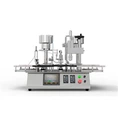
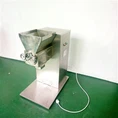
Mixing viscous materials in a mixing machine can be a challenging task. As a supplier of mixing machines, I've encountered numerous customers facing difficulties with this issue. In this blog, I'm going to share some practical solutions to help you overcome the problems of mixing viscous materials effectively.
Understanding the Challenges
Before we jump into the solutions, it's crucial to understand why mixing viscous materials is so tough. Viscous materials have high resistance to flow, which means they don't move around easily in the mixing chamber. This can lead to uneven mixing, where some parts of the material are well - blended while others remain in clumps.
Another problem is that viscous materials tend to stick to the mixing blades and the inner walls of the machine. This not only affects the mixing efficiency but also makes the cleaning process a nightmare. And if the sticking is severe, it can even cause damage to the mixing machine over time.
Choosing the Right Mixing Machine
The first step in solving the mixing problems of viscous materials is to choose the right mixing machine. Different types of mixing machines are designed for different viscosities. For highly viscous materials, a planetary mixer or a double - arm mixer might be a good choice.

A planetary mixer has a unique mixing action where the mixing blades rotate on their own axis while also orbiting around the mixing bowl. This multi - directional movement helps to break up the clumps and ensure thorough mixing of the viscous materials. You can check out our range of high - performance mixing machines that are suitable for viscous materials.
Adjusting Mixing Parameters
Once you've got the right machine, adjusting the mixing parameters is key. The speed of the mixing blades plays a vital role. If the speed is too low, the viscous materials won't be properly mixed. But if it's too high, it can cause excessive heat generation, which might change the properties of the materials.
You also need to pay attention to the mixing time. Mixing for too short a time won't achieve a homogeneous mixture, while over - mixing can waste energy and potentially damage the materials. It's a bit of a trial - and - error process to find the optimal speed and time for your specific viscous materials.
Using Additives
In some cases, adding certain substances can help reduce the viscosity of the materials. For example, adding a small amount of a lubricant or a solvent can make the materials flow more easily. However, you need to be careful when using additives. You have to ensure that they don't react with the main materials in a negative way and that they meet the quality requirements of your final product.
Maintaining the Mixing Machine
Proper maintenance of the mixing machine is essential for smooth mixing of viscous materials. Regularly cleaning the mixing blades and the inner walls of the machine can prevent the build - up of sticky residues. You can use appropriate cleaning agents to remove the stubborn residues.
Checking the seals and bearings of the machine is also important. Worn - out seals can lead to leakage of the materials, while faulty bearings can cause uneven rotation of the mixing blades. By keeping the machine in good condition, you can ensure consistent and efficient mixing.
Complementary Equipment
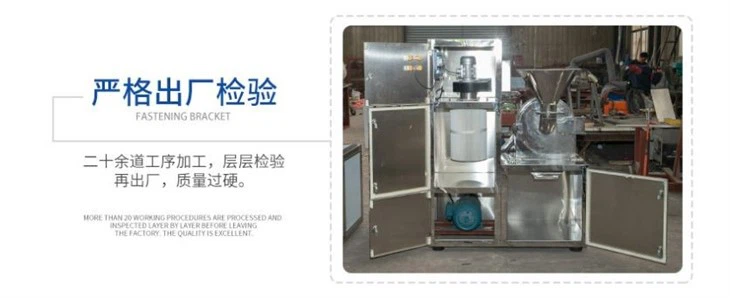
Sometimes, using complementary equipment can enhance the mixing process of viscous materials. For instance, a Pulverizer Machine can be used to pre - process the materials before mixing. It can break down large particles into smaller ones, making it easier for the mixing machine to handle the viscous materials.
Granulators can also be useful if you need to form the mixed viscous materials into granules. They can help to shape the materials and improve their flowability. And a Pulverizer can be used to further refine the mixed materials if needed.
Troubleshooting Common Issues
Even with the best practices in place, you might still encounter some problems. If you notice that the materials are not being mixed evenly, first check if the mixing blades are worn out. Worn blades won't be able to mix the materials effectively. You may need to replace them.
If the machine is making strange noises during the mixing process, it could be a sign of a mechanical problem. Check the belts, gears, and other moving parts to see if there are any loose or damaged components.
Conclusion
Mixing viscous materials in a mixing machine doesn't have to be a headache. By choosing the right machine, adjusting the mixing parameters, using additives when appropriate, maintaining the machine well, and using complementary equipment, you can solve most of the problems associated with mixing viscous materials.
If you're still struggling with mixing viscous materials or if you're looking for a new mixing machine that can handle these challenges, don't hesitate to get in touch with us. We're here to help you find the best solutions for your specific needs. Whether you're in the pharmaceutical, food, or chemical industry, we've got the expertise and the products to support your mixing requirements. Contact us today to start a fruitful discussion about your mixing projects.
References
- Smith, J. (2020). Advanced Mixing Techniques for Viscous Materials. Journal of Industrial Mixing, 15(2), 45 - 56.
- Johnson, A. (2019). The Impact of Mixing Parameters on Viscous Material Homogeneity. Mixing Science Review, 22(3), 78 - 89.
- Brown, K. (2021). Complementary Equipment for Viscous Material Processing. Industrial Equipment Today, 30(4), 12 - 20.