


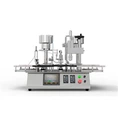
Corrosion is a significant concern in the operation and maintenance of monoblock machines. As a trusted monoblock machine supplier, we understand the detrimental effects of corrosion on the performance, longevity, and overall efficiency of these essential pieces of equipment. In this blog post, we will explore various strategies and best practices to prevent corrosion in monoblock machines, ensuring they remain in optimal condition for years to come.
Understanding Corrosion in Monoblock Machines
Before delving into prevention methods, it's crucial to understand what corrosion is and how it affects monoblock machines. Corrosion is a natural process that occurs when metals react with their environment, typically oxygen and moisture, leading to the deterioration of the metal surface. In the context of monoblock machines, which are often used in industries such as pharmaceuticals, cosmetics, and food and beverage, corrosion can have several negative impacts.
Firstly, corrosion can compromise the structural integrity of the machine. Over time, the metal components may weaken, leading to mechanical failures and breakdowns. This not only disrupts production but also incurs significant repair and replacement costs. Secondly, corrosion can contaminate the products being processed by the machine. For example, in the case of an Eye Drop Filling Machine, rust particles from corroded parts can mix with the eye drops, posing a serious health risk to consumers. Finally, corroded surfaces can be difficult to clean and sanitize, increasing the risk of microbial growth and product contamination.
Factors Contributing to Corrosion in Monoblock Machines
Several factors can contribute to the corrosion of monoblock machines. Understanding these factors is essential for implementing effective prevention strategies.
Environmental Conditions: The environment in which the monoblock machine operates plays a crucial role in determining its susceptibility to corrosion. High humidity levels, exposure to saltwater or chemicals, and extreme temperatures can all accelerate the corrosion process. For example, machines used in coastal areas or in industries that involve the handling of corrosive substances are at a higher risk of corrosion.
Material Selection: The choice of materials used in the construction of the monoblock machine is another critical factor. Some metals are more prone to corrosion than others. For instance, carbon steel is highly susceptible to rusting, while stainless steel is more corrosion-resistant due to the presence of chromium, which forms a protective oxide layer on the surface.
Surface Finish: The surface finish of the machine components can also affect their corrosion resistance. A smooth, polished surface is less likely to trap moisture and contaminants, reducing the risk of corrosion. On the other hand, rough or pitted surfaces can provide sites for corrosion to start and spread.
Maintenance Practices: Poor maintenance practices, such as infrequent cleaning, improper lubrication, and failure to address minor damage promptly, can also contribute to corrosion. For example, if the machine is not cleaned regularly, residues of the processed products can accumulate on the surface, creating a corrosive environment.
Prevention Strategies
Now that we have a better understanding of corrosion and the factors that contribute to it, let's explore some effective strategies for preventing corrosion in monoblock machines.
Material Selection and Design
- Choose Corrosion-Resistant Materials: When selecting materials for the construction of monoblock machines, opt for corrosion-resistant alloys such as stainless steel, aluminum, or titanium. These materials have inherent properties that make them less susceptible to corrosion. For example, stainless steel contains at least 10.5% chromium, which forms a passive oxide layer on the surface, protecting it from further oxidation.
- Design for Drainage and Ventilation: Proper design can help prevent the accumulation of moisture and contaminants, which are major contributors to corrosion. Ensure that the machine is designed with adequate drainage channels to allow water to drain away easily. Additionally, provide proper ventilation to reduce humidity levels within the machine.
- Avoid Galvanic Corrosion: Galvanic corrosion occurs when two different metals are in contact with each other in the presence of an electrolyte. To prevent this, avoid using dissimilar metals in close proximity. If it is necessary to use different metals, use insulating materials or coatings to separate them.
Surface Protection
- Apply Protective Coatings: Protective coatings can provide an additional layer of protection against corrosion. There are various types of coatings available, including paint, powder coating, and electroplating. Choose a coating that is suitable for the specific application and environment. For example, in a food and beverage processing environment, a food-grade coating may be required.
- Use Corrosion Inhibitors: Corrosion inhibitors are chemicals that can be added to the environment or applied to the metal surface to reduce the rate of corrosion. They work by forming a protective film on the metal surface, preventing the reaction between the metal and the corrosive agents. Corrosion inhibitors can be used in the form of liquids, sprays, or additives in lubricants.
Environmental Control
- Control Humidity and Temperature: Maintaining a stable environment with controlled humidity and temperature levels can significantly reduce the risk of corrosion. Use dehumidifiers to reduce humidity levels in the operating area, especially in areas with high moisture content. Additionally, ensure that the machine is not exposed to extreme temperatures, as this can accelerate the corrosion process.
- Protect from Chemical Exposure: If the monoblock machine is used in an environment where it may be exposed to chemicals, take appropriate measures to protect it. This may include using chemical-resistant coatings, installing protective enclosures, or implementing proper ventilation systems to remove any harmful chemicals from the air.
Maintenance and Inspection
- Regular Cleaning and Sanitization: Regular cleaning and sanitization are essential for preventing corrosion. Remove any residues of the processed products, dirt, and contaminants from the machine surface using appropriate cleaning agents. Pay special attention to hard-to-reach areas and crevices where moisture and contaminants may accumulate.
- Lubrication: Proper lubrication of moving parts can help prevent corrosion by reducing friction and wear, as well as providing a protective barrier against moisture and contaminants. Use lubricants that are suitable for the specific application and environment.
- Inspection and Maintenance Scheduling: Establish a regular inspection and maintenance schedule to detect and address any signs of corrosion early. Inspect the machine for signs of rust, pitting, or other forms of corrosion, and take appropriate action immediately. This may include repairing or replacing corroded parts, applying additional protective coatings, or adjusting the operating environment.
Conclusion
Corrosion is a serious issue that can have a significant impact on the performance and longevity of monoblock machines. As a Monoblock Machine and Monoblock Filler supplier, we are committed to providing our customers with high-quality equipment and comprehensive support to prevent corrosion and ensure the smooth operation of their machines.
By implementing the strategies outlined in this blog post, including proper material selection, surface protection, environmental control, and regular maintenance and inspection, you can effectively prevent corrosion in your monoblock machines and extend their service life. If you have any questions or need further assistance with corrosion prevention in your monoblock machines, please do not hesitate to contact us. We are here to help you make the most of your equipment and achieve your production goals.


References
- Uhlig, H. H., & Revie, R. W. (1985). Corrosion and corrosion control: an introduction to corrosion science and engineering. Wiley.
- Fontana, M. G. (1986). Corrosion engineering. McGraw-Hill.
- Roberge, P. R. (2000). Corrosion engineering handbook. McGraw-Hill.