


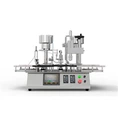
Hey there! As a supplier of Ampoule filling and sealing machines, I've seen firsthand how crucial it is to keep these machines running at their best. In this blog, I'll share some tips on how to optimize the performance of an Ampoule filling and sealing machine.


1. Regular Maintenance
One of the most important things you can do to optimize the performance of your Ampoule filling and sealing machine is regular maintenance. Just like your car needs an oil change and tune - up every so often, your machine also requires routine care.
- Cleaning: Regularly clean the machine to prevent the buildup of debris, product residue, and dust. This includes cleaning the filling nozzles, sealing heads, and conveyor belts. A dirty machine can lead to inaccurate filling volumes and poor sealing quality. For example, if the filling nozzles are clogged, the liquid may not flow smoothly, resulting in inconsistent fill levels.
- Lubrication: Make sure all moving parts are properly lubricated. This reduces friction, extends the lifespan of the components, and ensures smooth operation. Check the manufacturer's guidelines for the right type of lubricant and the recommended lubrication intervals. For instance, the gears and bearings in the machine need to be lubricated to prevent wear and tear.
- Inspection: Conduct regular inspections of the machine to identify any signs of wear, damage, or loose parts. Replace worn - out parts immediately to avoid breakdowns during production. For example, if you notice that the belts are frayed or the seals are damaged, replace them right away.
2. Operator Training
Your machine is only as good as the person operating it. Proper operator training is essential for optimizing the performance of an Ampoule filling and sealing machine.
- Familiarization with the Machine: Train operators to understand the machine's functions, controls, and safety features. They should know how to start and stop the machine, adjust the settings, and troubleshoot common problems. For example, they need to know how to set the correct filling volume and sealing temperature.
- Operation Procedures: Teach operators the correct operation procedures. This includes how to load ampoules, start the filling and sealing process, and unload the finished products. Following the correct procedures ensures consistent quality and reduces the risk of errors. For instance, they should load the ampoules in the right orientation to avoid mis - filling or poor sealing.
- Safety Training: Safety should always be a top priority. Train operators on how to handle the machine safely, including how to use personal protective equipment (PPE) and what to do in case of an emergency. This not only protects the operators but also prevents damage to the machine.
3. Quality of Raw Materials
The quality of the raw materials used in the Ampoule filling and sealing process can have a significant impact on the machine's performance.
- Ampoules: Use high - quality ampoules that are compatible with your machine. The ampoules should have uniform dimensions, smooth surfaces, and good sealing properties. Poor - quality ampoules can cause problems such as jams in the machine, inaccurate filling, and poor sealing. For example, if the ampoules have uneven necks, the sealing may not be effective.
- Filling Liquid: Ensure that the filling liquid has the right viscosity, density, and chemical properties. The liquid should flow easily through the filling nozzles without clogging. If the liquid is too thick, it may require adjustments to the filling pressure and speed. For instance, a highly viscous liquid may need a higher filling pressure to ensure accurate fill levels.
4. Process Optimization
Optimizing the filling and sealing process can greatly improve the performance of the machine.
- Filling Volume Adjustment: Calibrate the filling volume regularly to ensure accuracy. Use a volumetric or gravimetric method to measure the filling volume and make adjustments as needed. This helps to meet the required product specifications and reduces waste. For example, if you're filling 10 ml ampoules, make sure each ampoule is filled with exactly 10 ml.
- Sealing Temperature and Time: Find the optimal sealing temperature and time for your ampoules and filling liquid. The sealing temperature should be high enough to create a strong seal but not so high that it damages the ampoules or the product inside. The sealing time also needs to be adjusted to ensure a proper seal. For instance, different types of ampoules may require different sealing temperatures and times.
- Speed Optimization: Adjust the machine's operating speed based on the product requirements and the machine's capabilities. Running the machine too fast can lead to inaccurate filling and poor sealing, while running it too slow can reduce productivity. Find the sweet spot where you can achieve high - quality results at an efficient pace.
5. Upgrades and Modernization
As technology advances, consider upgrading your Ampoule filling and sealing machine to improve its performance.
- Software Updates: If your machine has a control system with software, keep it up - to - date. Software updates can fix bugs, improve functionality, and add new features. For example, a software update may improve the accuracy of the filling volume control.
- Hardware Upgrades: Look for opportunities to upgrade the hardware components of the machine. This could include replacing old filling nozzles with more advanced ones, upgrading the sealing heads for better sealing quality, or installing a new conveyor system for smoother product handling. For instance, new - generation filling nozzles may offer more precise filling.
6. Monitoring and Data Analysis
Implement a monitoring system to track the performance of your Ampoule filling and sealing machine.
- Performance Metrics: Monitor key performance metrics such as filling accuracy, sealing quality, production speed, and downtime. This data can help you identify trends, spot potential problems, and make informed decisions about maintenance and process improvements. For example, if you notice a gradual decrease in filling accuracy, you can investigate the cause before it becomes a major issue.
- Data Analysis: Analyze the collected data to find areas for improvement. Use statistical methods to identify patterns and correlations. For instance, you may find that the sealing quality is affected by the ambient temperature in the production area. Based on this analysis, you can take appropriate measures to optimize the process.
In conclusion, optimizing the performance of an Ampoule filling and sealing machine requires a combination of regular maintenance, operator training, quality raw materials, process optimization, upgrades, and monitoring. By following these tips, you can ensure that your machine runs smoothly, produces high - quality products, and meets your production goals.
If you're in the market for a new Ampoule Machine or looking to improve the performance of your existing Ampoule Filler or Ampoule Sealing Machine, feel free to reach out to us. We're here to help you find the best solutions for your production needs. Let's start a conversation about how we can work together to optimize your ampoule filling and sealing process.
References
- Manufacturer's manuals for Ampoule filling and sealing machines
- Industry best practices for pharmaceutical packaging machinery
- Technical papers on machine maintenance and optimization