


Hey there! I'm here as a supplier of ampoule machines, and today I'm gonna walk you through how to operate an ampoule machine. Whether you're new to the industry or just looking to brush up on your skills, this guide is for you.
Getting Familiar with the Ampoule Machine
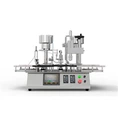
First things first, let's talk about what an ampoule machine does. An ampoule machine is a crucial piece of equipment in the pharmaceutical and cosmetic industries. It's used to fill and seal ampoules, which are small, sealed vials that typically hold liquid medications or other substances. There are different types of ampoule machines, like the Ampoule Sealing Machine, Ampoule Filler, and Ampoule Sealer. Each has its own specific function, but they all work together to get the job done.
Pre - operation Checks
Before you start operating the ampoule machine, you gotta do some pre - operation checks. These checks are super important to ensure the machine works properly and the ampoules are filled and sealed correctly.
Machine Inspection
Take a good look at the machine. Check for any visible damage, like cracks or loose parts. Make sure all the electrical connections are secure. You don't want any loose wires causing problems during operation. Also, check the lubrication of the moving parts. If they're not well - lubricated, it can lead to increased wear and tear and even affect the machine's performance.
Material Preparation
Get all your materials ready. You'll need clean ampoules, the liquid you're going to fill them with, and any necessary sealing materials. Make sure the ampoules are free from dust, debris, and any contaminants. You can use a cleaning process like rinsing them with purified water and then drying them in a clean environment. The liquid should be at the right temperature and viscosity for filling. If it's too thick or too thin, it can cause issues with the filling process.
Parameter Setting
Set the right parameters on the machine. This includes things like the filling volume, the sealing temperature, and the speed of the machine. The filling volume is crucial because you want to make sure each ampoule has the exact amount of liquid. You can usually set this using the control panel on the machine. The sealing temperature needs to be set according to the type of sealing material and the ampoule material. If it's too low, the seal won't be strong enough; if it's too high, it can damage the ampoule or the contents.
Operating the Ampoule Machine
Once you've completed the pre - operation checks, it's time to start operating the machine.
Loading the Ampoules
Load the clean ampoules into the feeding system of the machine. Most ampoule machines have a conveyor or a hopper where you can place the ampoules. Make sure they're loaded in the right orientation. Some machines can automatically detect and correct the orientation, but it's still a good idea to double - check.


Filling the Ampoules
When the ampoules are in place, start the filling process. The Ampoule Filler will draw the liquid from a reservoir and dispense it into the ampoules. The filling process is usually controlled by a pump or a valve system. As the ampoules move along the conveyor, the filler will fill each one with the pre - set volume of liquid. Keep an eye on the filling process to make sure there are no leaks or spills. If you notice any issues, stop the machine immediately and troubleshoot.
Sealing the Ampoules
After the ampoules are filled, they move on to the sealing stage. The Ampoule Sealer will heat the top of the ampoule and the sealing material to create a hermetic seal. There are different sealing methods, like flame sealing or induction sealing. Flame sealing uses a small flame to heat and melt the glass or plastic of the ampoule to seal it. Induction sealing uses electromagnetic induction to heat a sealing foil on the ampoule. Make sure the sealing process is consistent across all the ampoules. You can check the seals visually or by doing some quality control tests.
Unloading the Ampoules
Once the ampoules are sealed, they'll be unloaded from the machine. They usually come out on a conveyor or into a collection bin. Check the unloaded ampoules for any visible defects, like a broken seal or a mis - filled ampoule. Set aside any defective ampoules for further inspection or disposal.
Monitoring and Quality Control
During the operation of the ampoule machine, you need to constantly monitor the process and perform quality control checks.
Visual Inspection
Regularly inspect the ampoules as they come out of the machine. Look for any signs of leakage, improper sealing, or incorrect filling. You can use a magnifying glass or a vision inspection system if available. If you see any issues, try to identify the cause. It could be a problem with the machine settings, the materials, or the operation process.
Sampling and Testing
Take samples of the filled and sealed ampoules for further testing. You can test the filling volume using a volumetric analysis method. You can also test the strength of the seal by applying pressure or doing a leak test. If the test results are not within the acceptable range, you may need to adjust the machine parameters or troubleshoot the process.
Post - operation Maintenance
After you've finished using the ampoule machine, it's important to do some post - operation maintenance.
Cleaning the Machine
Clean the machine thoroughly. Remove any remaining ampoules, liquid residues, or sealing materials. Use a suitable cleaning agent to clean the filling nozzles, the sealing heads, and the conveyor. Make sure all the parts are completely dry before storing the machine. This helps prevent the growth of bacteria and corrosion.
Storage
Store the machine in a clean and dry environment. Cover it with a dust cover to protect it from dust and debris. If there are any parts that need to be stored separately, make sure they're labeled and stored properly.
Troubleshooting Common Issues
Even with proper operation and maintenance, you may encounter some common issues with the ampoule machine.
Filling Problems
If the ampoules are not being filled correctly, it could be due to a clogged filling nozzle, incorrect pump pressure, or a problem with the liquid viscosity. Try cleaning the filling nozzle or adjusting the pump pressure. If the viscosity is the issue, you may need to adjust the temperature of the liquid.
Sealing Problems
Sealing problems can include weak seals, uneven seals, or burned seals. A weak seal could be caused by a low sealing temperature or insufficient sealing time. An uneven seal may be due to misaligned ampoules or a problem with the sealing head. A burned seal is usually caused by a high sealing temperature. Adjust the relevant parameters to fix these issues.
Why Choose Our Ampoule Machines
As a supplier of ampoule machines, we offer high - quality machines that are reliable and easy to operate. Our machines are designed with the latest technology to ensure accurate filling and sealing. We also provide excellent after - sales service, including technical support and maintenance. If you're in the market for an ampoule machine, whether it's a Ampoule Sealing Machine, an Ampoule Filler, or an Ampoule Sealer, we can provide you with the right solution for your needs.
If you're interested in our ampoule machines or have any questions about operating them, feel free to reach out to us. We're always happy to help you with your procurement needs and have a detailed discussion about how our machines can fit into your production process.
References
- Pharmaceutical Equipment Handbook
- Cosmetic Manufacturing and Packaging Guide