


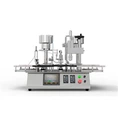
Hey there! As a supplier of ampoule machines, I've seen firsthand how crucial it is to keep these machines in tip - top shape. Ampoule machines play a vital role in the pharmaceutical and cosmetic industries, filling and sealing those small glass containers with precision. In this blog, I'm gonna share some tips on how to maintain an ampoule machine.


Regular Cleaning
First things first, cleaning is super important. Ampoule machines come into contact with various liquids and substances during the filling process. Over time, residues can build up and cause problems.
- Daily Surface Cleaning: Every day after use, make sure to wipe down the exterior of the machine with a clean, damp cloth. This helps to remove any dust, dirt, or spills. You don't wanna let grime accumulate on the surface as it can affect the machine's appearance and potentially cause corrosion.
- Internal Component Cleaning: At least once a week, you should clean the internal components. This includes the filling nozzles, tubing, and valves. For the filling nozzles, you can soak them in a mild cleaning solution recommended by the machine's manufacturer. The tubing can be flushed out with clean water to remove any remaining liquid. As for the valves, use a soft brush to gently clean them. A dirty valve can lead to inaccurate filling or even leaks.
Lubrication
Lubrication is another key aspect of maintaining an ampoule machine. Moving parts need proper lubrication to function smoothly and reduce wear and tear.
- Identify Lubrication Points: Check the machine's manual to find out where the lubrication points are. Usually, these are located on the gears, bearings, and other moving components.
- Use the Right Lubricant: Don't just use any old lubricant. Make sure to use the one recommended by the manufacturer. Using the wrong lubricant can damage the machine. Apply the lubricant at the recommended intervals. Too little lubrication won't do the job, and too much can attract dirt and debris.
Inspection of Parts
Regularly inspecting the parts of the ampoule machine can help you catch any potential issues before they turn into big problems.
- Visual Inspection: Take a good look at the machine every day. Look for any signs of wear, such as cracks, chips, or loose parts. If you notice any damaged parts, replace them immediately. A small crack in a part can lead to a major breakdown if not addressed in time.
- Functional Testing: Periodically test the machine's functions. For example, test the filling accuracy by running a few test batches. If you find that the filling volume is off, it could be a sign of a problem with the filling mechanism or a clogged nozzle. Also, check the sealing quality. You can use the Ampoule Sealer to ensure that the ampoules are properly sealed. A poor seal can lead to product contamination.
Calibration
Calibration is essential to ensure the accuracy of the ampoule machine.
- Filling Volume Calibration: The filling volume should be calibrated regularly. This can be done by using a calibrated measuring device to check the amount of liquid being filled into each ampoule. Adjust the machine settings if the filling volume is not accurate.
- Sealing Temperature and Time Calibration: The sealing process also requires calibration. Incorrect sealing temperature or time can result in poor seals. Follow the manufacturer's instructions to calibrate the sealing temperature and time.
Operator Training
Well - trained operators are crucial for the proper maintenance of an ampoule machine.
- Proper Operation: Make sure your operators know how to operate the machine correctly. This includes starting and stopping the machine, loading and unloading ampoules, and adjusting the settings. Improper operation can cause unnecessary wear and tear on the machine.
- Basic Troubleshooting: Train your operators to perform basic troubleshooting. For example, they should know how to clear a clogged nozzle or fix a minor leak. This can save time and prevent small problems from escalating.
Storage
If you need to store the ampoule machine for an extended period, proper storage is important.
- Clean and Dry: Before storing the machine, make sure it is thoroughly cleaned and dried. This helps to prevent corrosion.
- Cover the Machine: Use a protective cover to keep the machine free from dust and debris.
- Store in a Suitable Environment: Store the machine in a dry, cool place with stable temperature and humidity. Extreme temperatures and humidity can damage the machine.
Maintenance Records
Keep detailed maintenance records for your ampoule machine.
- Log All Maintenance Activities: Record when you cleaned the machine, lubricated the parts, inspected the components, and calibrated the settings. This helps you keep track of the machine's maintenance history.
- Track Replacement Parts: Note down when you replaced any parts. This can help you predict when other parts might need to be replaced in the future.
Conclusion
Maintaining an ampoule machine is not a one - time task but an ongoing process. By following these tips, you can ensure that your Ampoule Machine runs smoothly, produces high - quality products, and has a long lifespan.
If you're in the market for a new ampoule machine or need more information about our Ampoule Filler, don't hesitate to reach out. We're here to help you make the best choice for your business and provide you with all the support you need for machine maintenance and operation.
References
- Manufacturer's manual of the ampoule machine
- Industry best practices for ampoule machine maintenance