


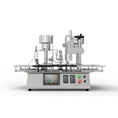
Hey there! As a supplier of vial fillers, I know how crucial it is to have a reliable machine in the pharmaceutical and biotech industries. A vial filler that malfunctions can lead to product loss, production delays, and even regulatory issues. So, in this blog, I'm gonna share some tips on how to improve the reliability of a vial filler.
Regular Maintenance
One of the most important things you can do to keep your vial filler running smoothly is regular maintenance. Just like a car, a vial filler needs routine check - ups and servicing. This includes cleaning the machine regularly to prevent the buildup of debris and contaminants. You should also lubricate the moving parts as recommended by the manufacturer.


For example, the piston pumps in a vial filler are critical components. Over time, the seals in these pumps can wear out. By regularly inspecting and replacing these seals, you can prevent leaks and ensure accurate filling volumes. It's also a good idea to have a maintenance schedule and stick to it. This way, you can catch potential problems before they turn into major breakdowns.
Quality Components
Using high - quality components is another key factor in improving the reliability of a vial filler. When you're choosing a vial filler, make sure it's built with top - notch parts. Inferior components may be cheaper upfront, but they can cause more problems in the long run.
For instance, the valves in a vial filler play a vital role in controlling the flow of liquid. Low - quality valves may not open and close properly, leading to inconsistent filling. By investing in high - quality valves, you can improve the accuracy and reliability of the filling process. Also, look for components that are made by reputable manufacturers and have a proven track record of reliability.
Operator Training
Your operators are the ones who interact with the vial filler on a daily basis. So, proper training is essential. Well - trained operators are more likely to use the machine correctly, which can prevent many common problems.
Training should cover all aspects of the vial filler, from basic operation to troubleshooting. Operators should know how to load vials, set the filling parameters, and perform routine maintenance tasks. They should also be trained to recognize the signs of a potential problem, such as unusual noises or vibrations.
For example, if an operator notices a slight leak in the filling system, they should know how to stop the machine safely and address the issue. By providing comprehensive training, you can ensure that your operators are confident and competent in using the vial filler.
Calibration
Regular calibration is necessary to maintain the accuracy of a vial filler. Over time, the filling volumes can drift due to factors like wear and tear or changes in environmental conditions. By calibrating the machine at regular intervals, you can ensure that it's filling the vials with the correct amount of liquid.
Calibration should be done using calibrated measuring devices. You can use volumetric flasks or precision scales to measure the amount of liquid filled in the vials. Compare the measured values with the set values and make adjustments as needed. If you're not sure how to calibrate the vial filler, refer to the manufacturer's manual or contact their technical support team.
Monitoring and Data Analysis
Implementing a monitoring system can help you keep an eye on the performance of your vial filler. You can use sensors to collect data on various parameters, such as filling speed, pressure, and temperature. By analyzing this data, you can identify trends and potential problems.
For example, if you notice a gradual increase in the filling time over a period of weeks, it could be a sign of a problem with the pump or the valves. By detecting these issues early, you can take proactive measures to prevent breakdowns. There are also software solutions available that can help you manage and analyze the data collected from the vial filler.
Compatibility with Other Equipment
If your vial filler is part of a larger production line, it's important to ensure its compatibility with other equipment. For example, it should work well with the Vial Sealing Machine and the Vial Capping Machine. Incompatible equipment can cause jams, misalignments, and other problems.
Before integrating a vial filler into your production line, test it with the other equipment to make sure they work together smoothly. Make any necessary adjustments to the settings or the physical layout of the equipment to ensure seamless operation.
Environmental Considerations
The environment in which the vial filler operates can also affect its reliability. Extreme temperatures, humidity, and dust can all have a negative impact on the machine.
For example, high humidity can cause corrosion of metal parts, while excessive dust can clog the filters and sensors. Try to keep the vial filler in a clean, temperature - controlled environment. You can use air filters and dehumidifiers to maintain the optimal conditions. Also, make sure the machine is properly grounded to prevent electrical interference.
Spare Parts Management
Having a stock of spare parts is a smart move. When a component fails, you can quickly replace it and get the vial filler back up and running. Make a list of the critical spare parts for your vial filler and keep an adequate supply on hand.
However, don't overstock on spare parts as it can tie up your capital. You can also establish a relationship with your supplier to ensure quick delivery of spare parts when needed. This way, you can minimize the downtime of the vial filler.
Upgrades and Retrofits
As technology advances, consider upgrading or retrofitting your vial filler. Newer models may have improved features, such as better control systems or more efficient filling mechanisms. Upgrading can not only improve the reliability of the machine but also increase its productivity.
For example, you might be able to upgrade the software of your vial filler to get more accurate filling control. Or, you could retrofit the machine with a new type of pump that offers better performance. Consult with your vial filler supplier to see what upgrades are available for your specific model.
Supplier Support
Finally, having a reliable supplier is crucial. A good supplier will offer technical support, training, and spare parts. They should be able to answer your questions promptly and provide solutions to any problems you encounter.
If you're looking for a high - quality Vial Filler, make sure to choose a supplier with a good reputation. Check their customer reviews and ask for references. A reliable supplier will stand behind their product and help you keep your vial filler running smoothly.
In conclusion, improving the reliability of a vial filler requires a combination of regular maintenance, quality components, proper training, and careful monitoring. By following these tips, you can reduce the downtime of your vial filler, improve the quality of your products, and increase your overall productivity.
If you're interested in purchasing a vial filler or need more information on how to improve the reliability of your existing machine, feel free to reach out. We're here to help you make the best decisions for your production needs.
References
- Pharmaceutical Manufacturing Handbook: A Guide to Good Manufacturing Practice, 2nd Edition
- Handbook of Filling Technology for Pharmaceutical and Biotech Products
- Industry reports on vial filling and capping equipment